

CoQ10: Should you take this popular supplement if you're on a statin?

Microplastics: A hidden health threat?

Oat vs. dairy milk: Nutrition, benefits, and downsides

What is tempeh? Benefits, nutrition, and how to use it

Healing after food poisoning

Children of centenarians may stay healthier and live longer too, study finds

Light exposure at night may raise risk for heart disease

Whole grains may improve several heart risk factors at once

A lumbar belt may help ease low back pain

Signs of pneumonia: Sometimes vague and unexpected
Healthy aging and longevity Archive
Articles

High-tech calls for help: Understanding gadget limits
Learn about a device's pros and cons so you're not stranded.
John was in trouble: The 84-year-old wound up on the floor after sliding out of a chair. While unhurt, John couldn't get up. He lived alone and couldn't reach his cellphone, house phone, or alert button; all were on a table next to his chair. After three long hours trying to inch across the floor, John remembered that his "smart" speaker (activated by voice commands) was connected to his smartphone. John called out for the speaker to dial his daughter, who sent help right away.
Electronic gadgets like smart speakers can be a great addition to the home. But a smart speaker won't save the day in every emergency. Before investing in a gadget for security, learn about its potential limitations.

Prepare for prehab
What you do before procedures can help get the best results.
If you're planning a complex medical procedure or surgery, you'll hear a lot about the steps you'll need to take afterward to speed up recovery and reduce complications. But it's equally important to focus on your health beforehand, too.
"Preparing both your body and mind before an invasive medical procedure can help you better manage and overcome the many stresses you encounter," says Dr. Julie Silver, associate chair for the department of Physical Medicine and Rehabilitation at Harvard Medical School. "If you are healthier and stronger going in, you have a much higher chance of avoiding setbacks."
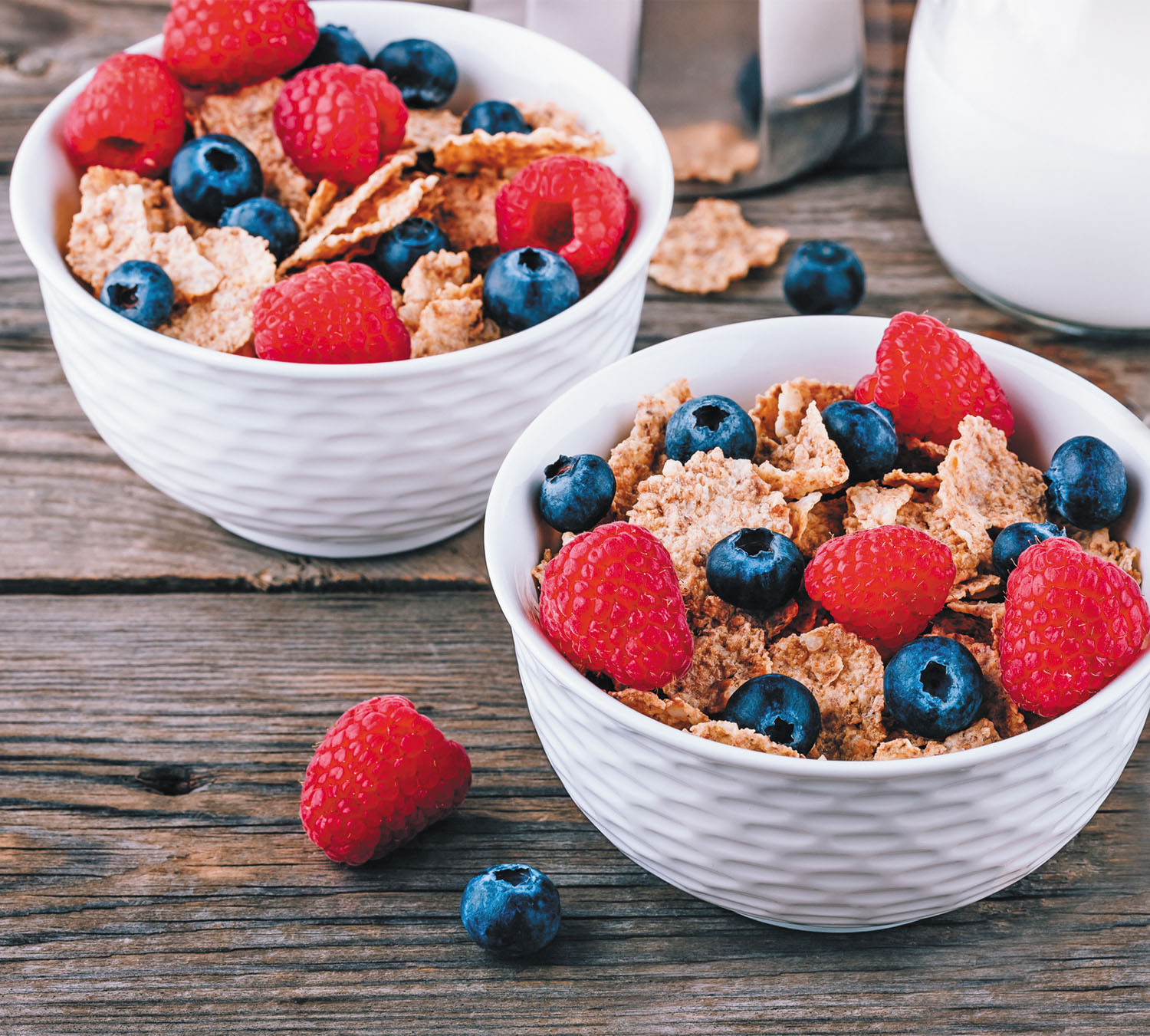
Crank up your fiber intake to manage blood sugar and diabetes
News briefs
Struggling with high blood sugar or diabetes? A study published online March 6, 2020, by PLOS Medicine suggests that increasing your daily fiber intake may help. British researchers combed through dozens of studies with about 10,000 participants who had prediabetes, gestational diabetes, type 1 diabetes, or type 2 diabetes. Compared with people who ate low-fiber diets (19 grams of fiber per day), people who ate another 16 grams of fiber per day (a total of 35 grams per day) weighed less and had lower levels of blood sugar, cholesterol, and inflammation. There were also 14 fewer deaths per 1,000 people among those who ate high-fiber diets. If you'd like to increase your fiber intake, try to eat more fiber-rich foods at each meal. Good sources include whole-grain cereals, legumes, and nuts. For example, a cup of bran cereal has up to 47 grams of fiber, depending on the brand; half a cup of white beans has about 10 grams of fiber; and an ounce of almonds has about 13 grams of fiber. Increase fiber intake slowly, to give your digestive tract time to adjust, and remember to increase your water intake as well.
Image: © wmaster890/Getty Images

Step up your fitness and safety
This simple at-home exercise can improve flexibility, leg strength, and balance to protect against falls.
Falls continue to be a significant cause of fatal injury among older adults, according to the CDC. In fact, each year, falls result in more than 2.8 million injuries treated in emergency rooms and more than 27,000 deaths.
Lack of mobility and declining strength are the main contributors to falls. Still, another threat, which often goes unrecognized, is simply the fear of falling.

Can hot baths protect your heart?
News briefs
Taking a warm bath helps soothe aching joints, wash away stress, and promote sleep. Now, a study published online March 24, 2020, by the journal Heart suggests that daily hot baths are also associated with better heart health. Researchers analyzed self-reported health and lifestyle information from more than 30,000 middle-aged people in Japan. Participants responded to a questionnaire at the start of the study and were then followed for about 20 years. Compared with people who didn't take a tub bath more than twice a week, people who took a daily warm or hot bath had a 28% lower risk of cardiovascular disease and a 26% lower risk of stroke. The study is only observational and doesn't prove that daily tub bathing staves off heart problems. But previous research has shown that the effects of tub bathing on the body are similar to those of exercise. Use caution, however: taking baths in very hot water is also tied to sudden death due to overheating, confusion, or drowning. If you're going to take a bath, keep the temperature comfortable and don't risk overheating. Finally, this study says nothing about the possible cardiovascular benefits of hot showers.
Image: © JohnnyGreig/Getty Images

Don’t stop good habits when taking heart drugs
In the journals
Cholesterol-lowering statins and blood pressure drugs can improve heart health, but you still need to follow heart-healthy habits. That's the conclusion of a study published online Feb. 5, 2020, by the Journal of the American Heart Association, which found many people forgo healthy habits after they begin taking these medications.
Researchers in Finland identified 41,225 people who were free of cardiovascular disease. They collected such health data as body mass index, physical activity, alcohol intake, smoking status, and whether the people took statins or blood pressure drugs. Updated information was gathered from surveys every four years over a 14-year period.

In search of sleep
Many women making the transition to menopause have trouble sleeping. Several strategies can help you get the rest you need.
If you're a woman of a certain age and you often find yourself staring at the ceiling in the middle of the night, you're not alone. The years leading up to menopause and the period that immediately follows are the times that women are most likely to report problems sleeping, according to the National Sleep Foundation. Many different conditions that are common in this stage of life — including hot flashes, obstructive sleep apnea, and mood disorders such as depression or anxiety — can cause sleep problems.
Lack of sleep is more than just a nuisance. "We now understand that high-quality sleep is absolutely vital to good health," says Dr. JoAnn E. Manson, the Michael and Lee Bell Professor of Women's Health at Harvard Medical School. This means that seeking care should be a priority if you are experiencing problems.

Medication or therapy for depression? Or both?
No single treatment—whether it's an antidepressant drug or a style of talk therapy—can ease depression in every case. However, research suggests you will improve your chances of getting relief if you combine drugs and therapy. One report that pooled findings from 25 studies found that adding psychotherapy to drug treatment was more helpful than medication alone in treating major depression. Earlier research suggested that one reason therapy and medication may complement each other is that they have different effects on the brain.
In addition to relieving depression, combination therapy may help ward off recurrences. A classic three-year study reported in JAMA tracked recurrences of major depression in about 200 people ages 60 or older. Of those who received monthly interpersonal therapy and who also took an antidepressant medication, 80% avoided a recurrence. In contrast, the same could be said for only 57% of those who received the drug alone, 36% of those given just interpersonal therapy, and a mere 10% in the placebo group.

Does professional memory training work?
Are you worried about your memory? You can go it alone and teach your-self techniques for strengthening your memory. Or, you can get pro-fessional memory training. Some medical centers offer memory training programs in which people meet every week or so to learn memory enhancement techniques, then practice them as homework. Another alternative is to attend a series of individual sessions with a clinician who specializes in memory and other cognitive problems. Such a specialist can recommend specific strategies for the types of memory problems that affect you.
If you are considering a memory enhancement program, choose one that is run by a health professional with specialized training in cognitive rehabilitation. Some people benefit from individual treatment, where their particular needs can be identified and addressed.

When dieting doesn't work
Most diets can help you lose weight, but that weight is frequently regained within a few months — a fact supported by an analysis of more than 100 research trials on diets. But losing weight is easier, and more likely to be permanent, if you choose a diet with foods you actually like.
CoQ10: Should you take this popular supplement if you're on a statin?
Microplastics: A hidden health threat?
Oat vs. dairy milk: Nutrition, benefits, and downsides
What is tempeh? Benefits, nutrition, and how to use it
Healing after food poisoning
Children of centenarians may stay healthier and live longer too, study finds
Light exposure at night may raise risk for heart disease
Whole grains may improve several heart risk factors at once
A lumbar belt may help ease low back pain
Signs of pneumonia: Sometimes vague and unexpected
Free Healthbeat Signup
Get the latest in health news delivered to your inbox!
Sign Up
