

CoQ10: Should you take this popular supplement if you're on a statin?

Microplastics: A hidden health threat?

Oat vs. dairy milk: Nutrition, benefits, and downsides

What is tempeh? Benefits, nutrition, and how to use it

Healing after food poisoning

Children of centenarians may stay healthier and live longer too, study finds

Light exposure at night may raise risk for heart disease

Whole grains may improve several heart risk factors at once

A lumbar belt may help ease low back pain

Signs of pneumonia: Sometimes vague and unexpected
Healthy aging and longevity Archive
Articles

Effective exercises for osteoporosis
The ideal workout program for osteoporosis combines weight-bearing, muscle-strengthening, flexibility, and balance exercises.

Sleep, stress, or hormones? Brain fog during perimenopause

Black peer support: A role in mental health recovery
Peer support groups in mental health allow people with similar lived experiences to listen, share, and encourage one another. A Black peer support group created around race and culture as well as mental health may offer a safe space that allows people to address aspects of shared identity and experiences around racism with others who understand their daily reality.
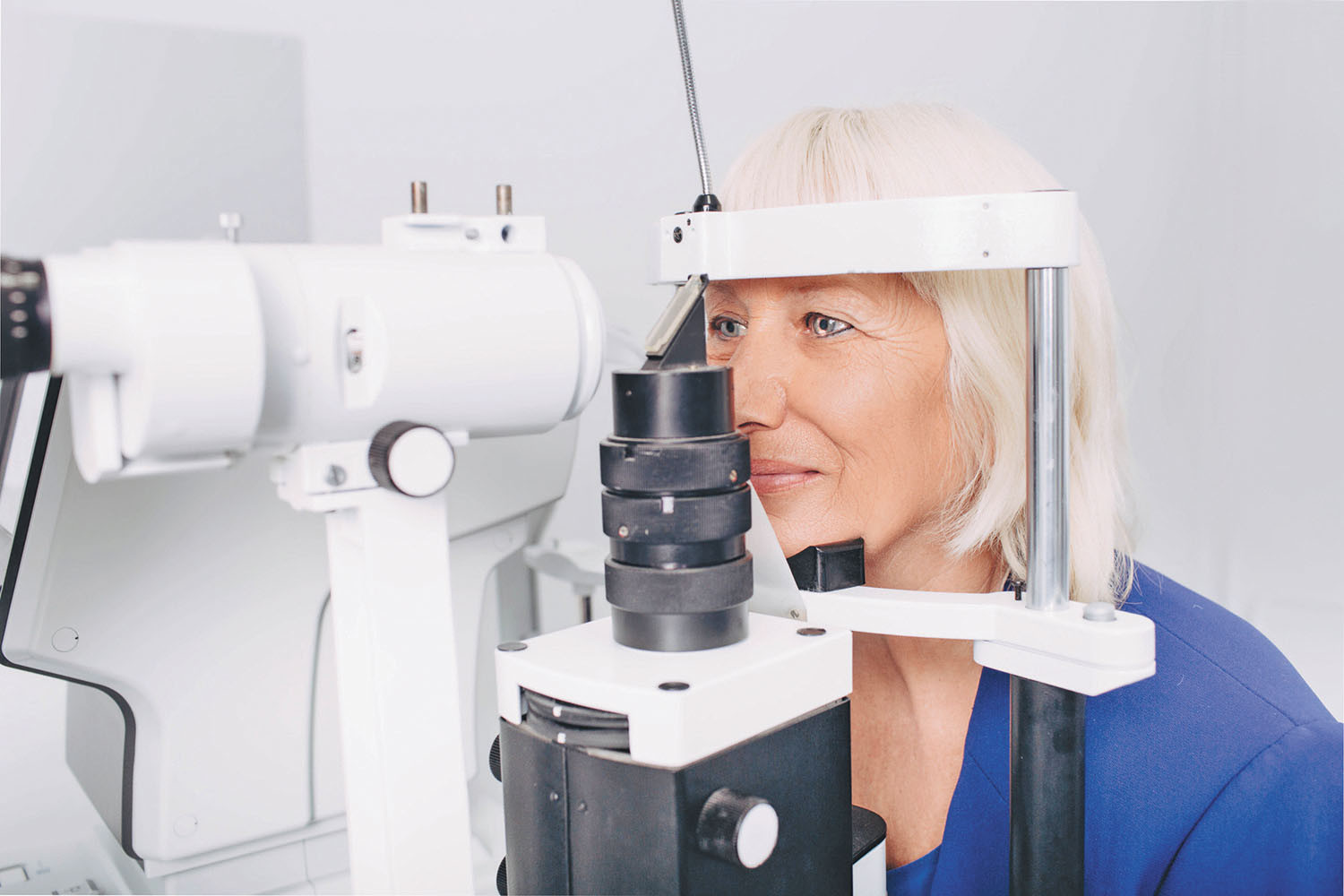
Seeing your way to better eye health
Maintaining your vision as you age requires a proactive approach.
Did you know that women are more likely than men to have eye conditions that can lead to vision loss, such as age-related macular degeneration, glaucoma, and cataracts? According to the American Academy of Ophthalmology, more than 60% of people with these conditions are women, in part because they live longer, and risk rises with age.
While women may be more at risk for eye disease, you should also know that in many instances, vision loss is not inevitable if you are proactive about your eye health.

5 tips to help you stay safe during medical treatment
Medication errors and communication problems may put people at risk.
It's been 20 years since the Institute of Medicine published its landmark report To Err is Human. It found that as many as 98,000 people were dying each year from preventable medical errors, prompting an industrywide patient safety effort that has spanned the past two decades.
An editorial published in JAMA Dec. 29, 2020, notes that in the years since that report came out, hospitals and doctors have made numerous changes that have succeeded in reducing preventable problems, such as hospital-acquired infections, falls, and medication-related errors. But more work remains to be done. Mistakes still happen.

Five health habits may help keep acid reflux at bay
Research we're watching
Lifestyle changes may help to prevent symptoms related to gastroesophageal reflux disease (GERD), according to a research letter published online Jan. 4, 2021, by JAMA Internal Medicine.
Using data from the Nurses' Health Study II, a nationwide study that included 116,671 women, researchers found that among 9,000 women who had GERD symptoms, those who met five specific anti-reflux lifestyle criteria were 40% less likely to have GERD symptoms than women who did not meet any of them. These were having a normal body weight; never smoking; participating in 30 minutes of moderate or vigorous exercise each day; drinking no more than two cups of coffee, tea, or soda each day; and following a healthy diet. GERD symptoms were defined as reporting acid reflux or heartburn at least once a week.

Imaging overload: How many tests are too many?
Diagnostic technology makes it possible to detect many conditions. But is it safe to get lots of x-rays or CT scans?
When your doctor orders an occasional x-ray or computed tomography (CT) scan, you probably focus on the findings, not the amount of radiation you'll be exposed to. But if you need numerous tests, you may wonder if you're getting too much radiation exposure and how it might affect you. The concern about radiation exposure is an increased risk for developing cancer later in life. Ionizing radiation from tests such as x-rays or CT scans has the potential to damage tissue in the body, including cell DNA.
"As DNA is damaged, this causes mutations. Some of these are repaired by our cells, but others escape repair. In rare circumstances, these mutations may cause cells to divide rapidly without control," explains Dr. Mark Hammer, a radiologist with Harvard-affiliated Brigham and Women's Hospital. "If cancer were to develop, it could take 10 to 20 years for it to become apparent."

’Tis the (allergy) season
Here's how to prepare for spring and summer pollen allergies.
Ah, spring is in the air. But unfortunately, so are billions of pollen particles that make millions of stuffed-up Americans suffer through weeks and months of sneezing, coughing, and wheezing. Even if spring and summer allergies never bothered you before, it's possible for symptoms to suddenly appear now in your 60s or 70s.
"Your immune system changes over time. Although most allergies begin early in life, it's possible to develop seasonal allergies at any age," says Dr. Mariana Castells, an allergist and immunologist in the department of Allergy, Rheumatology, and Immunology at Harvard-affiliated Brigham and Women's Hospital.

Treatment shows promise for methamphetamine use disorder
Research we're watching
While opioid use disorders have gotten a lot of attention in recent years, the number of people dying as a result of methamphetamine use is on the rise. A study published Jan. 14, 2021, in The New England Journal of Medicine found that a combination drug therapy may provide some hope in helping people with this difficult-to-treat disorder.
In the trial, half of the 403 adult volunteers were given a combination of two drugs: naltrexone, which is used to treat both opioid and alcohol use disorders, and bupropion, an antidepressant. The other half of the group received a placebo. The treatment period began in 2017 and ended in 2019. During that time people were given periodic urine tests to gauge whether they used methamphetamines. Those who had at least three of four drug-free tests were defined as having responded to treatment. Researchers found that by weeks five and six, 16.5% of the treatment group had responded to treatment, compared with 3.4% of the control group. By weeks 11 and 12, 11.4% of the treatment group met the urine test criteria for successful treatment, compared with less than 2% of the control group. Most people who received the drug treatment didn't have any serious side effects.

Big advances for dental implants
Smaller sizes and high-tech placement methods mean more people are candidates for prosthetic teeth.
If you've been told you're not a candidate for dental implants, it's time to revisit the subject. Dental implants — permanent prosthetics implanted into the jaw — have changed.
"In the last five years, we've learned that smaller implants can work just as well as regular-size implants, and this makes more people candidates for them," says Dr. German Gallucci, department chair of restorative dentistry at the Harvard School of Dental Medicine.
CoQ10: Should you take this popular supplement if you're on a statin?
Microplastics: A hidden health threat?
Oat vs. dairy milk: Nutrition, benefits, and downsides
What is tempeh? Benefits, nutrition, and how to use it
Healing after food poisoning
Children of centenarians may stay healthier and live longer too, study finds
Light exposure at night may raise risk for heart disease
Whole grains may improve several heart risk factors at once
A lumbar belt may help ease low back pain
Signs of pneumonia: Sometimes vague and unexpected
Free Healthbeat Signup
Get the latest in health news delivered to your inbox!
Sign Up
