

CoQ10: Should you take this popular supplement if you're on a statin?

Oat vs. dairy milk: Nutrition, benefits, and downsides

Microplastics: A hidden health threat?

Healing after food poisoning

What is tempeh? Benefits, nutrition, and how to use it

Light exposure at night may raise risk for heart disease

Whole grains may improve several heart risk factors at once

A lumbar belt may help ease low back pain

Children of centenarians may stay healthier and live longer too, study finds

Signs of pneumonia: Sometimes vague and unexpected
Healthy aging and longevity Archive
Articles

The many ways exercise helps your heart
Aerobic and muscle-building exercises can trigger physiological changes that improve blood vessels and metabolism in ways that help prevent all the major risk factors that contribute to heart disease. These include high blood pressure, diabetes, obesity, and unhealthy cholesterol levels. Exercise can also improve mental health problems such as depression and stress, which are common but underrecognized risks for heart disease.

How high a fever is too high?
A fever is the immune system's response to an infection or invader. Most fevers drop after people take over-the-counter medications. People should call a doctor if their fever reaches 103° F and go to an emergency room if it reaches 105°.

Reviewing your wellness portfolio
As with a financial portfolio, older adults should routinely review their wellness portfolio to ensure their health investments meet their short-and long-term goals. Working with their doctor, personal trainer, and nutritionist, they can identify areas that require changes and implement new strategies. Older men often don't make investments in strength training, balance, and their mental health, but should.

Curbing nearsightedness in children: Can outdoor time help?
Nearsightedness is a growing problem worldwide. While genes and developmental factors play a role in whether a child becomes nearsighted, research suggests that spending time outdoors can lower a child's risk of developing this condition.

Don't want to go to bed? Dealing with bedtime procrastination
Bedtime procrastination often interferes with getting sufficient quality sleep, which is a pillar of good health. If you are guilty of staying up too late, there are things you can do to try to change your behavior.

Americans' use of prescription sleep medications drops dramatically
A 2022 study found a 31% reduction in Americans' use of prescription sleep aids from 2013 to 2018. The drop-off was even sharper among people 80 and older, who were 86% less likely to use FDA-approved sleep drugs by the end of the study period.

Do fermented foods live up to the hype?
Fermented foods and drinks such as kimchi, kombucha, and tempeh are increasingly popular, adding to mainstays such as yogurt, sauerkraut, and beer. Heat and bright lights during manufacturing can destroy some beneficial probiotics. Fermented products can ease digestion, dampen inflammation, boost nutrient absorption, and battle harmful bacteria. People should look for product labels that say "live and active cultures" and avoid shelf-stable versions, which don't contain probiotics.

Muscle pain in statin users is probably not caused by the drug
While muscle pain is a possible side effect of taking statins, most discomfort is not caused by the drug, but most likely a "nocebo effect" where negative expectations can lead to perceived side effects.
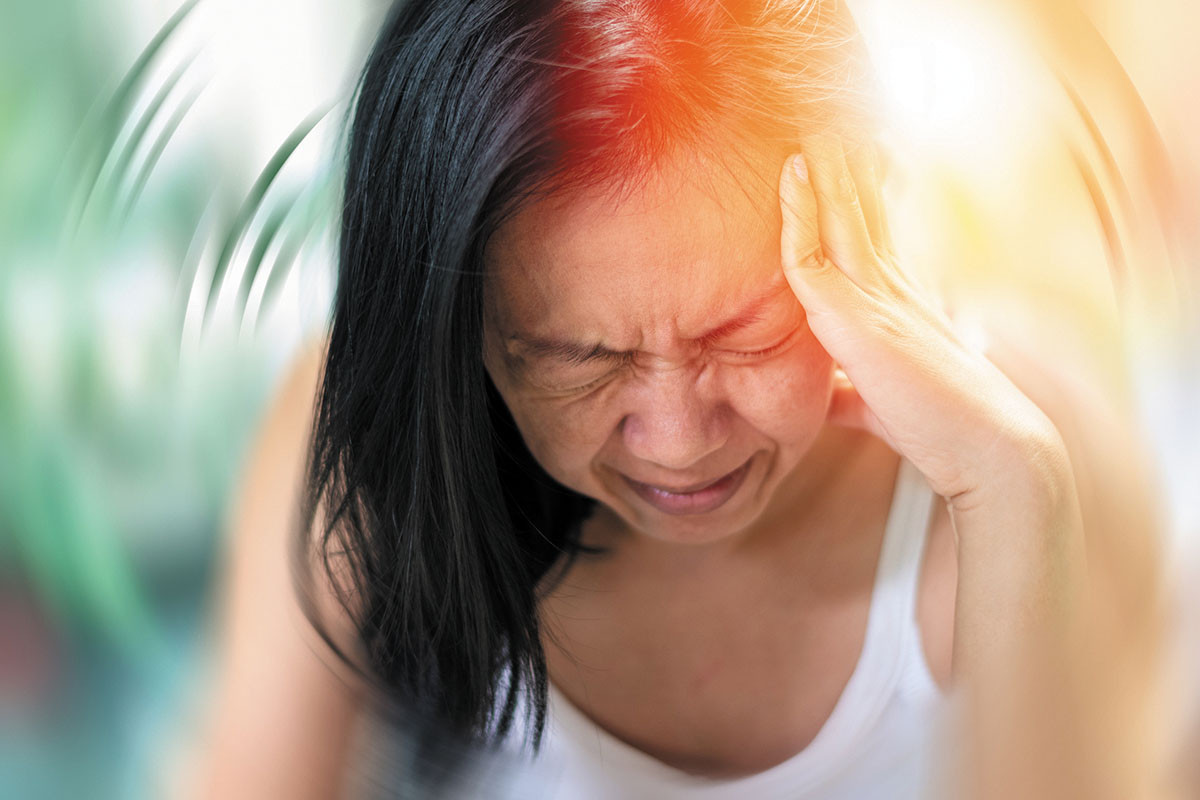
How can I tell if I have a concussion?
Concussions occur when the brain bumps or twists inside the skull after a blow to the head. Signs of concussion include headache, eye pain or fatigue, neck pain or stiffness, imbalance, impaired depth perception, difficulty remembering, or sleep pattern changes.

Poor physical function may predict cardiovascular disease
A new study suggests that older adults who maintain an high level functional fitness have a lower their risk of heart attack, heart failure, and stroke compared with those who are not as fit.
CoQ10: Should you take this popular supplement if you're on a statin?
Oat vs. dairy milk: Nutrition, benefits, and downsides
Microplastics: A hidden health threat?
Healing after food poisoning
What is tempeh? Benefits, nutrition, and how to use it
Light exposure at night may raise risk for heart disease
Whole grains may improve several heart risk factors at once
A lumbar belt may help ease low back pain
Children of centenarians may stay healthier and live longer too, study finds
Signs of pneumonia: Sometimes vague and unexpected
Free Healthbeat Signup
Get the latest in health news delivered to your inbox!
Sign Up
