

Estrogen-only hormone therapy tied to lower dementia risk

Should you have a hysterectomy?

Stair climbing may significantly lower cardiovascular risks

Why do I sweat so much?

Walking pneumonia: The "mild" illness that can still pack a punch

Tai chi walking: What is it and does it work?

What causes knee pain: How doctors make a diagnosis
Sacroiliac joint pain: Causes, symptoms, and exercises that help

Where you carry excess weight matters in predicting heart disease risk

Study: At-home colorectal cancer screening may significantly cut colon cancer deaths
Gum disease Archive
Articles

The 6 don’ts of caring for your child’s teeth
Tooth decay is linked to a higher risk of many health problems in adulthood, but often families don’t put enough emphasis on proper and consistent dental care. Avoiding these mistakes can help your children get the right start on their oral health.

How should I treat canker sores?
Ask the doctor
Q. I suffer from recurrent canker sores. What is the best way to treat and prevent these mouth ulcers?
A. Canker sores, also known as aphthous ulcers, are small ulcers that appear on the inside of your cheeks and lips and sometimes on or under your tongue. They should not be confused with cold sores (fever blisters), which are due to a herpes simplex virus.
Hidden tooth infections may be warning sign of heart disease
A common tooth infection often caused by cavities and usually found by chance on dental x-rays is associated with a higher risk of acute coronary syndrome, an umbrella term for a sudden blockage in the blood supply to the heart.
Does breathing through my mouth affect my dental health?
Ask the doctor
Q. I find that I breathe through my mouth at night because my nose seems to stuff up once my head is on the pillow. Does sleeping with my mouth open affect my teeth and gums?
A. Open-mouth breathing can dry out your gums and the tissue lining your mouth, leading to a change in the natural bacteria, which can promote gum disease and tooth decay. Lying flat can cause mucus to accumulate in your nose. Try propping up your head with a firmer pillow—or a couple of pillows. If that doesn't work, you should talk to your doctor about your problem. You may have an allergy or polyps obstructing your nasal passages that can make it difficult to breathe through your nose and may need to see an otolaryngologist (an ear, nose, and throat specialist). Meanwhile, be sure to brush and floss your teeth regularly and drink lots of water to moisten your mouth throughout the day.
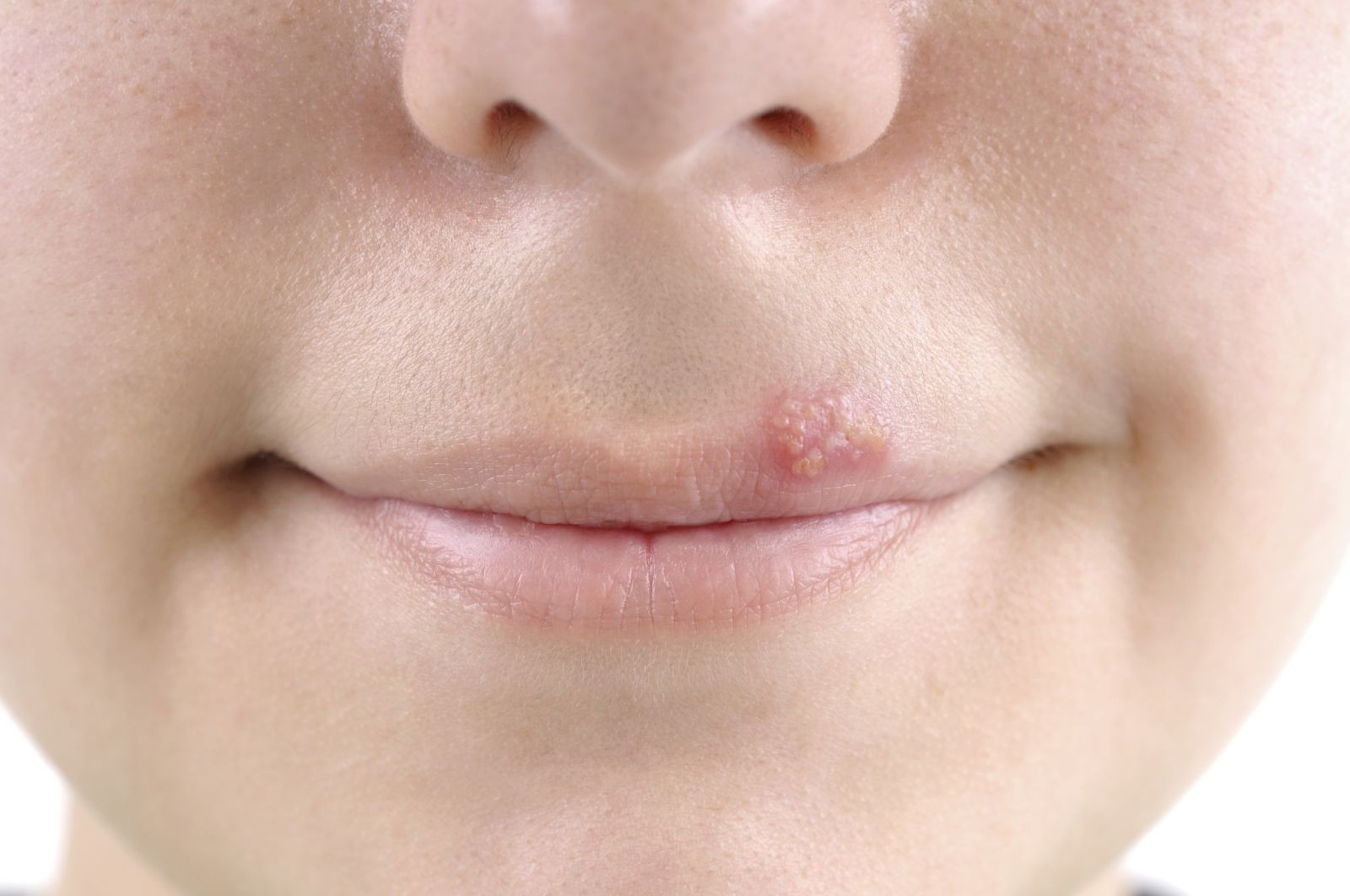
Preventing cold sores
Ask the doctor
Q. What's the fastest way to get rid of a cold sore? Is it possible to prevent them?
A. Cold sores, also called fever blisters, are bothersome and painful fluid-filled blisters on or around the lips. They are caused by infection with herpes simplex virus (usually type 1). Cold sores heal on their own in seven to 10 days. However, antiviral medications can modestly shorten the healing period. One-day treatment with the prescription antiviral drugs famciclovir (Famvir) or valacyclovir (Valtrex) shortens cold sore symptoms by one to two days. These oral medications are most effective when taken at the first sign of a cold sore, such as a burning or tingling sensation. Antiviral creams are less effective and need to be applied several times daily for five days.
Estrogen-only hormone therapy tied to lower dementia risk
Should you have a hysterectomy?
Stair climbing may significantly lower cardiovascular risks
Why do I sweat so much?
Walking pneumonia: The "mild" illness that can still pack a punch
Tai chi walking: What is it and does it work?
What causes knee pain: How doctors make a diagnosis
Sacroiliac joint pain: Causes, symptoms, and exercises that help
Where you carry excess weight matters in predicting heart disease risk
Study: At-home colorectal cancer screening may significantly cut colon cancer deaths
Free Healthbeat Signup
Get the latest in health news delivered to your inbox!
Sign Up
