

Estrogen-only hormone therapy tied to lower dementia risk

Should you have a hysterectomy?

Stair climbing may significantly lower cardiovascular risks

Why do I sweat so much?

Walking pneumonia: The "mild" illness that can still pack a punch

Tai chi walking: What is it and does it work?

What causes knee pain: How doctors make a diagnosis
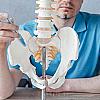
Sacroiliac joint pain: Causes, symptoms, and exercises that help

Where you carry excess weight matters in predicting heart disease risk

Study: At-home colorectal cancer screening may significantly cut colon cancer deaths
Gum disease Archive
Articles


Is charcoal toothpaste safe for my teeth?
Charcoal toothpastes, marketed as tooth whiteners, contain activated charcoal, an abrasive substance that can help remove surface stains. While safe in small doses, charcoal toothpaste shouldn't be used daily, since it may damage tooth enamel.

The senior's guide to dental care
Good dental health protects against not only gum disease, gum inflammation, and tooth loss but also many other age-related diseases. Like other aspects of health care, prevention is the best medicine when it comes to your teeth and gums. People should see their dentist every six months for check-ups, x-rays as needed, and cleanings. In between, they should follow a daily dental hygiene routine of rinsing, brushing, and flossing to help reduce plaque buildup, gingivitis, and cavities.

What's the right way to brush your teeth?
When you brush your teeth, how much thought do you give to what you're doing? Regular brushing keeps plaque from forming on your teeth and gums healthy, but you do need a good toothbrush and proper brushing technique.


Toothbrushing tied to lower pneumonia rates in hospitalized patients
A 2023 study suggests that toothbrushing twice daily can lower rates of hospital-acquired pneumonia in seriously ill hospitalized patients.

Is that dental pain an emergency?
Tooth, gum, or jaw pain can stem from many health problems. For example, tooth pain can result from a cavity, cracked filling, or an infection. Gum pain can come from irritation due to tooth brushing, food, dentures, gum disease, or infection. Jaw pain can be triggered by disorders of the temporomandibular joint, narrowed heart arteries, or even a heart attack. All persistent tooth, gum, and jaw pain should prompt a call to a dentist as soon as possible. Sudden neck or lower jaw pain can signal an emergency and warrants a call to 911, especially in a person with known heart problems.

Ready to give up the lead vest?
Dental x-rays have long involved donning lead-lined shields. But new guidelines from the American Dental Association say that using the vest is no longer necessary. What has changed?
Estrogen-only hormone therapy tied to lower dementia risk
Should you have a hysterectomy?
Stair climbing may significantly lower cardiovascular risks
Why do I sweat so much?
Walking pneumonia: The "mild" illness that can still pack a punch
Tai chi walking: What is it and does it work?
What causes knee pain: How doctors make a diagnosis
Sacroiliac joint pain: Causes, symptoms, and exercises that help
Where you carry excess weight matters in predicting heart disease risk
Study: At-home colorectal cancer screening may significantly cut colon cancer deaths
Free Healthbeat Signup
Get the latest in health news delivered to your inbox!
Sign Up
