

Whole grains may improve several heart risk factors at once

Light exposure at night may raise risk for heart disease

Children of centenarians may stay healthier and live longer too, study finds

A lumbar belt may help ease low back pain

Signs of pneumonia: Sometimes vague and unexpected

The surprising link between ovarian cancer and the fallopian tubes

Using a vibration plate: What it can — and can't — do for your body

People who walk more or walk faster live longer, study finds

Rosacea treatments: What works?

For sleep apnea, a dental device may be as effective as CPAP
Exercise and Fitness Archive
Articles

Uncovering the connection between sleep and heart health
Research we're watching
Sleeping either too little or too much has been linked to a higher risk of heart disease. But how much do other interconnected factors — namely, activity levels and body weight — affect this observation?
In an effort to find out, researchers studied nearly 240,000 healthy adults ages 51 to 72 who were part of a nationwide health study. The investigators examined the influence of moderate-to-vigorous physical activity, television viewing, and body mass index on sleep duration and death rates.
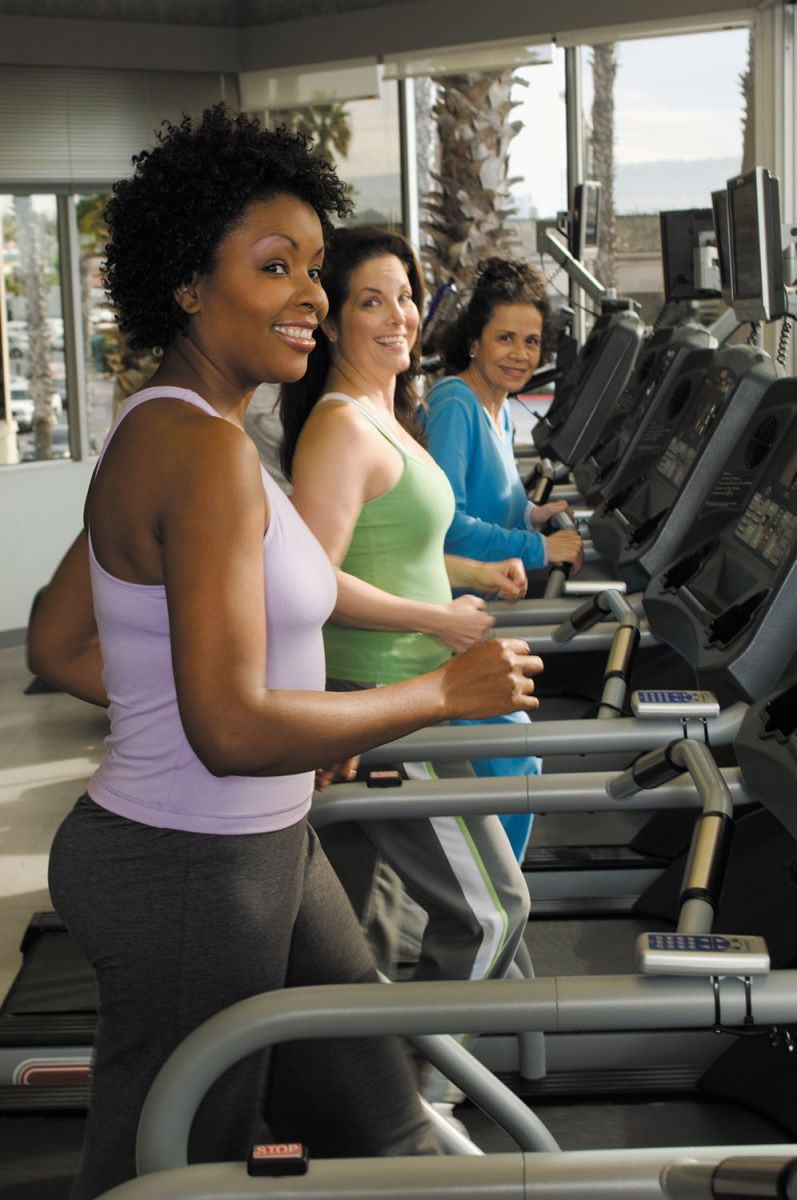
Is there an optimal time of day for exercise?
Ask the doctors
Q. What's the best time of day to exercise to get the most benefit?
A. Some people swear by morning workouts, because they squeeze them in before a busy schedule can derail their efforts. Morning exercise sessions may also help them move into their day feeling energized. But others dread the idea of dragging themselves out of bed early to hit the treadmill. Instead, they save their workout until the end of the day, when they feel more limber and can unwind.

Don’t let the cold put a freeze on your daily workout schedule
Keeping active in the winter months is crucial for wellness.
Image: © Sasha_Suzi/Thinkstock
Workouts often fall by the wayside in winter. It's cold and snowy, and if you're like a lot of women, all you want to do is curl up under a blanket with a cup of hot tea and snack on some leftover holiday cookies.
"Based on my experience with clients, it seems like people go into hibernation mode from Thanksgiving until March," says Dr. Beth Frates, assistant professor of physical medicine and rehabilitation at Harvard Medical School and director of wellness programming for the Stroke Research and Recovery Institute at Spaulding Rehabilitation Hospital.
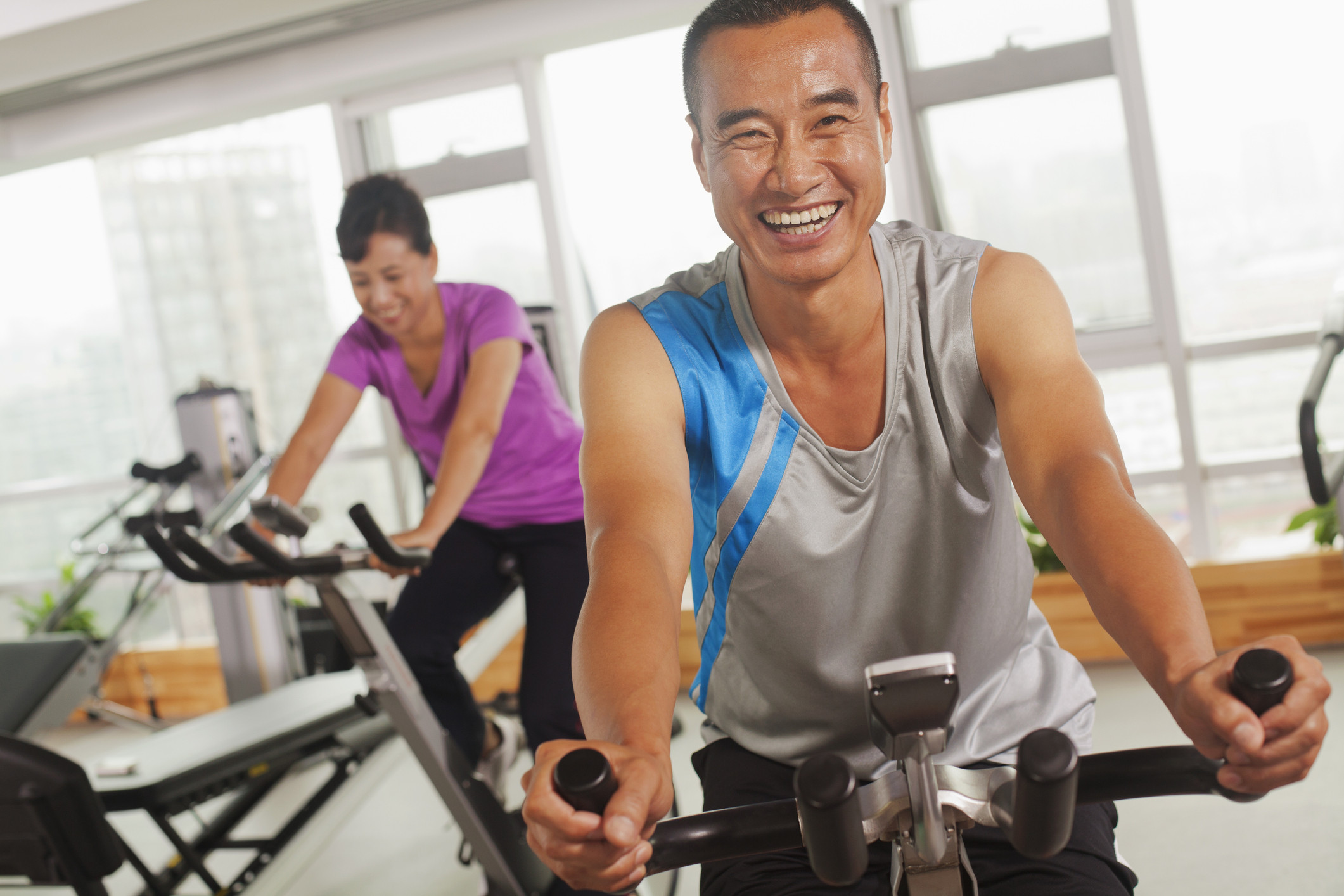
Returning to an old exercise routine? Here’s what you need to know
If you are interested in returning to a workout routine after being away from it for an extended period of time, it’s very easy to injure yourself. In order to avoid this, get your doctor’s approval and gear your activity to your current level of fitness.

Answer these 5 questions to help make your New Year’s resolutions stick
If you want to keep your New Year’s resolutions, you need to approach them as a process of behavior change, make your goals realistic, and have a specific plan for how you will reach them.
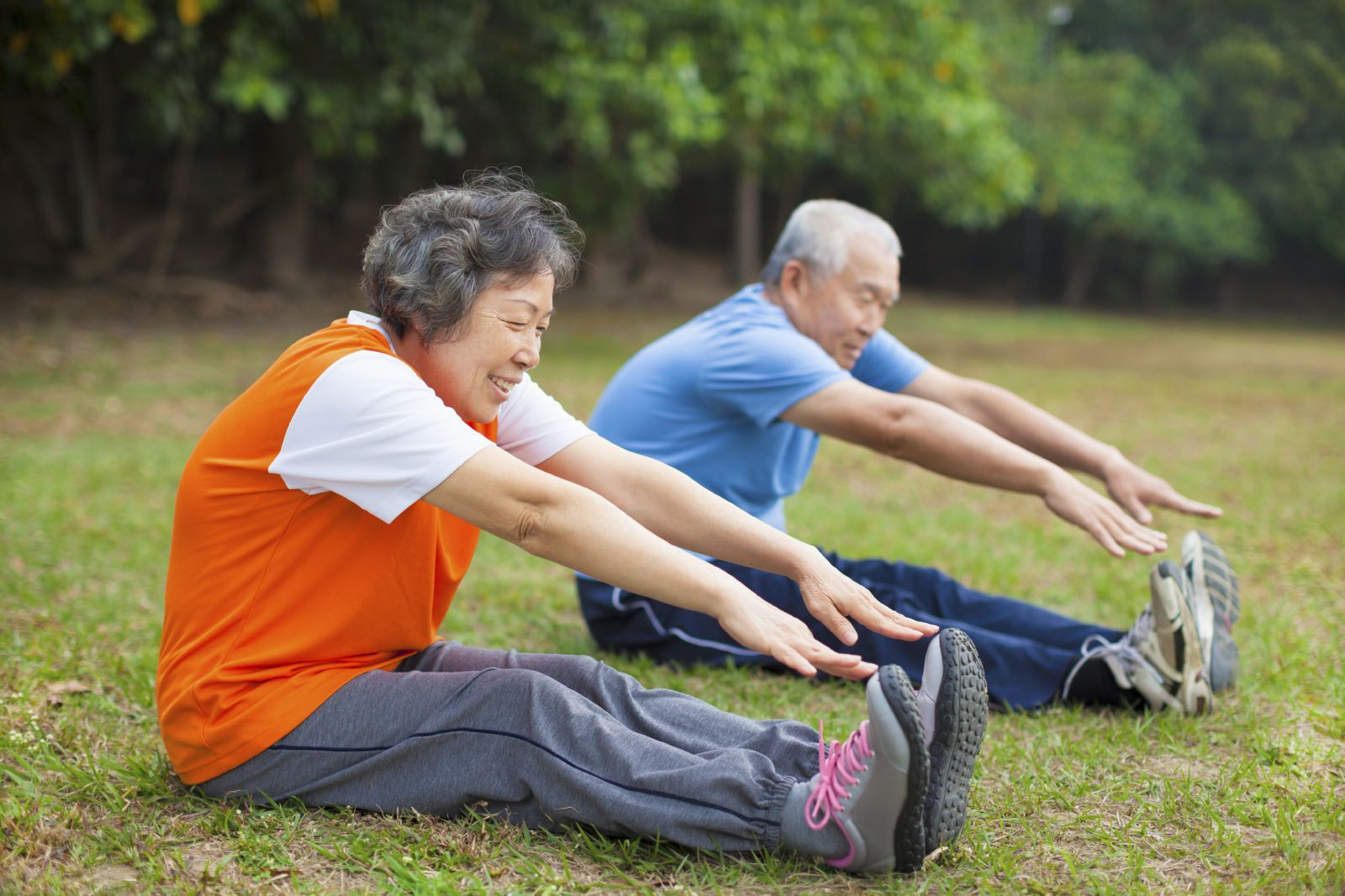
How stretching keeps your joints moving
Your range of motion — how far you can move a joint in various directions — is determined by many things, starting with the inner workings of the joint and the structures surrounding it. Stretching exercises can help extend this range of motion. To understand how, it helps to be familiar with these structures and how they can help — or hinder — a joint's flexibility:
- Joints are the junctions that link bones together. The architecture of each joint — that is, whether its structure is a hinge, pivot, or ball-in-socket — determines how the bones can move.
- Muscles surround joints and provide the energy used to move them. The amount of tension in the muscles surrounding a joint is a key factor in how big of a range of motion that joint can achieve. Muscle tension can be affected both by passive factors, such as tissue scarring or your habitual posture, and by active factors, such as involuntary muscle spasms or purposeful muscle contractions.
- Tendons are flexible cords of strong tissue that connect muscles to bones and make movement possible. When a joint moves, energy from the muscles is transferred into the tendons, which tug on the bones.
- Ligaments are tough, fibrous bands of tissue that bind bone to bone, or bone to cartilage, at a joint. An example is the anterior cruciate ligament (ACL), one of five ligaments that together control the movements of the knee. Among other things, the ACL keeps the knee joint from rotating too far.
When you stretch, you're working muscles and tendons rather than ligaments. Ligaments are not supposed to be elastic. An overly stretchy ligament wouldn't provide the stability and support needed for a safe range of movement.
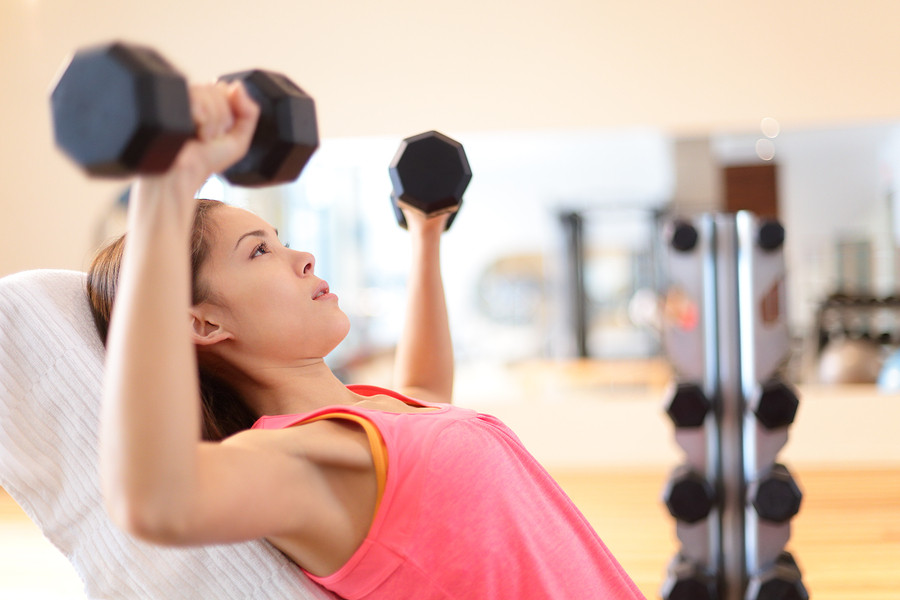
Power training: A complementary approach
Another type of training, known as power training, is proving to be just as important as traditional strength training in helping to maintain or rebuild muscles and strength—maybe even more important.
As the name suggests, power training is aimed at increasing power, which is the product of both strength and speed, reflecting how quickly you can exert force to produce the desired movement. Thus, faced with a mountain hike, you may have enough strength to reach the summit. But can you keep up with the younger members of your hiking group? Power, not just strength and cardio fitness, can get you up the steep inclines quickly and safely. By helping you react swiftly if you trip over a root or lose your balance on loose rocks, power can actually prevent falls.
Exercise is an effective stress-buster
If exercise were available as a pill, experts say, everyone would be taking it. One reason is that exercise is very good at defusing stress. If you exercise — especially right when the stress response is triggered — you burn off stress hormones just as nature intended, instead of letting them pile up.
What's more, just about any form of motion on a regular basis helps relieve pent-up tension. Rhythmic, repetitive movements, such as walking, running, swimming, bicycling, and rowing — and specific types of exercise such as yoga, tai chi, and qigong — actually elicit the relaxation response, too. Regularly engaging in these kinds of activities can help you ward off everyday stress.
Exercise advice for people with arthritis
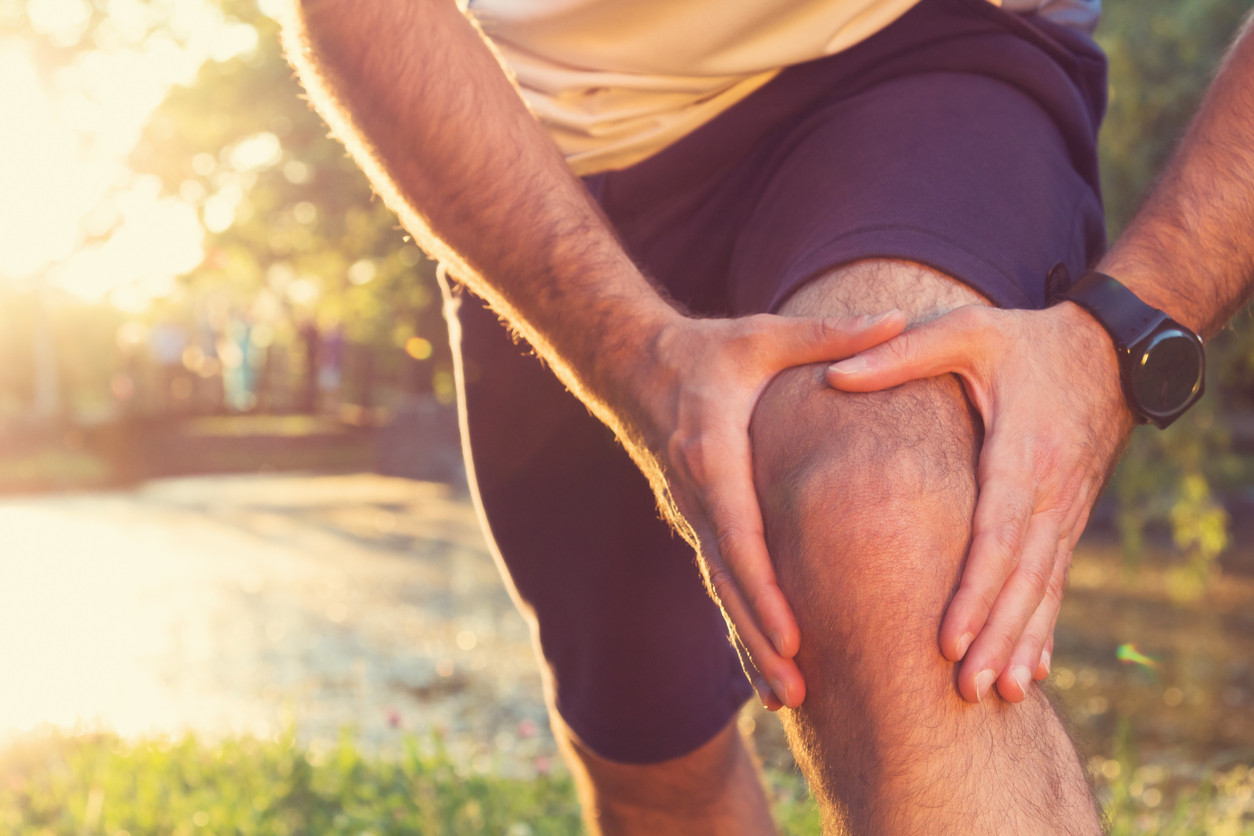
When you hurt, it's hard to persuade yourself to move. However, regular exercise not only helps maintain joint function, but also relieves stiffness and decreases pain and fatigue. What should you do? Whenever possible, meet the Physical Activity Guidelines for Americans by mixing aerobic activities, strength training, stretching, and balance exercises. If this is too ambitious, at least avoid inactivity. Discuss options with your doctor, particularly if you haven't been exercising. A physiatrist, physical therapist, or personal trainer with experience in working with people who have arthritis can help you choose and adapt activities that will work for you.
You can also find programs specifically designed for people with arthritis. Examples include Fit and Strong!, a program targeted to older adults with osteoarthritis; the Arthritis Foundation's Exercise Program (AFEP); and its Walk with Ease program. There are also water-based therapy programs, such as the Arthritis Foundation's Aquatic Program, that are done in pools heated to nearly 90° F; these feature a variety of exercises, including range-of-motion exercises and aerobics. Another good option is tai chi, a low-impact, slow-motion form of exercise that can increase flexibility and muscle strength in the lower body, as well as aiding gait and balance. Strength training improves muscle strength, physical functioning, and pain.

Whole grains may improve several heart risk factors at once
Light exposure at night may raise risk for heart disease
Children of centenarians may stay healthier and live longer too, study finds
A lumbar belt may help ease low back pain
Signs of pneumonia: Sometimes vague and unexpected
The surprising link between ovarian cancer and the fallopian tubes
Using a vibration plate: What it can — and can't — do for your body
People who walk more or walk faster live longer, study finds
Rosacea treatments: What works?
For sleep apnea, a dental device may be as effective as CPAP
Free Healthbeat Signup
Get the latest in health news delivered to your inbox!
Sign Up
