

CoQ10: Should you take this popular supplement if you're on a statin?

Microplastics: A hidden health threat?

Oat vs. dairy milk: Nutrition, benefits, and downsides

What is tempeh? Benefits, nutrition, and how to use it

Healing after food poisoning

Children of centenarians may stay healthier and live longer too, study finds

Light exposure at night may raise risk for heart disease

A lumbar belt may help ease low back pain

Whole grains may improve several heart risk factors at once

Signs of pneumonia: Sometimes vague and unexpected
Exercise and Fitness Archive
Articles

Winter hiking: Magical or miserable?
The instinct to stay indoors during winter can start to feel confining after a while. Going for a winter hike is a great way to get out in nature and get exercise, but it’s quite different from warm-weather hiking, and requires preparation and precautions.
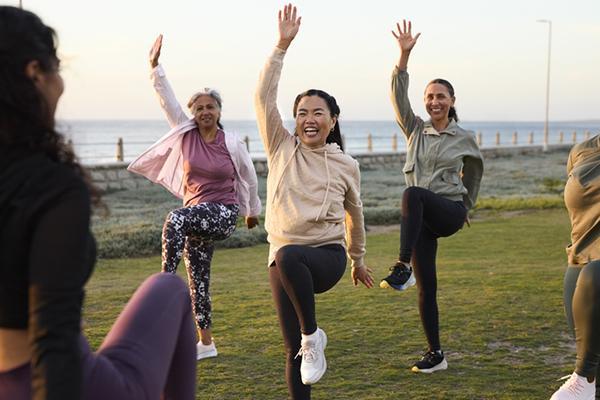
What exercises can help improve balance and prevent falls?
Targeted strength exercises, simple one‑leg stands, and practices like tai chi can improve balance and stability so walking feels steadier.
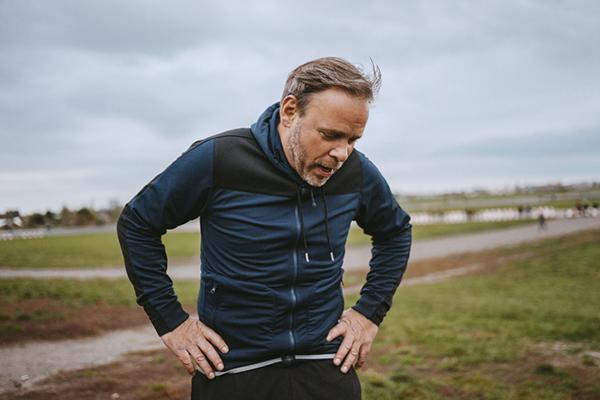
How soon can I start exercising again after the flu?
Your first workouts when recovering from the flu should be lighter and slower than usual. Your body will let you know when you're ready to ramp back up.
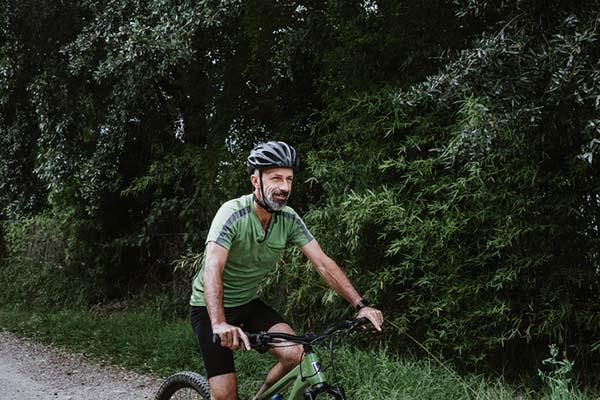
The joy and health benefits of cycling
Bicycling offers joint-friendly aerobic exercise, builds leg muscles, and aids recovery after knee or ankle surgery. The most appropriate type of bicycle—road, mountain, hybrid, or adaptive (recumbent, tricycle, hand cycle)—depends on where people ride and their abilities.
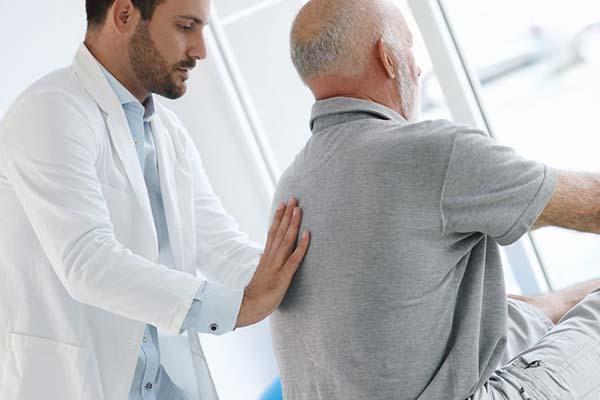
Physical therapy provides modest improvement for chronic low back pain
Sometimes low back pain becomes a chronic problem, lasting more than three months. This can be difficult to treat. A 2026 study of 749 adults with chronic low back pain found that treatment with physical therapy provided modest benefits over cognitive behavioral therapy.
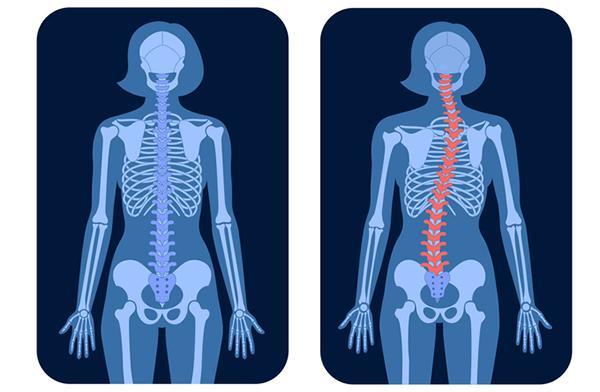
Scoliosis treatment: Can it help as you get older?
Many older adults with scoliosis—a C- or S-shaped sideways spinal curve—aren’t aware of it. Others noticeably lean to one side, and some have pain and limited range of motion in the spine. Physical therapy, including core strengthening and improving the stability of the trunk, can help.
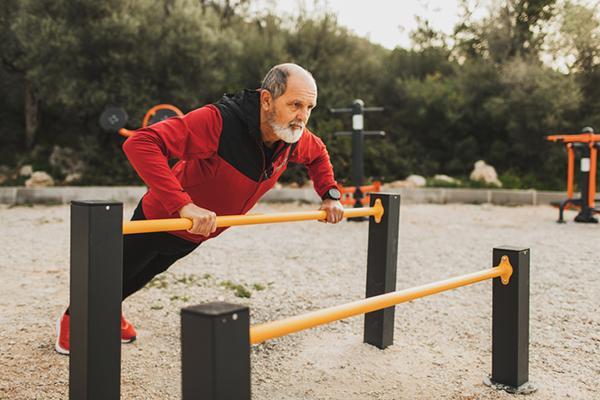
New resistance training guidance may simplify your workout
Resistance training at least twice a week builds strength, power, and endurance and preserves function as people age. Home workouts with body-weight movements and resistance bands are as effective as using gym equipment. All major muscle groups should be strengthened.

The many benefits of the "dead bug"
Older adults need a strong core to stay active and healthy. While the core comprises many muscles, the four main ones lie within the abdomen: the rectus abdominis in the front; the external and internal obliques on the sides; and the deep, flat transversus abdominis wrapping your midsection. Several core exercises work many of these muscles, but the dead bug exercise can engage all of them and is safe for older adults, as it can be modified for any age or limitations. The dead bug is done by lying on the back and moving the limbs up and down to imitate a dying insect.

Core exercises: Diagonal opposite arm and leg raise
Harvard fitness expert Michele Stanten takes you through a simple exercise to tighten your abs, strengthen your back, and improve your balance.
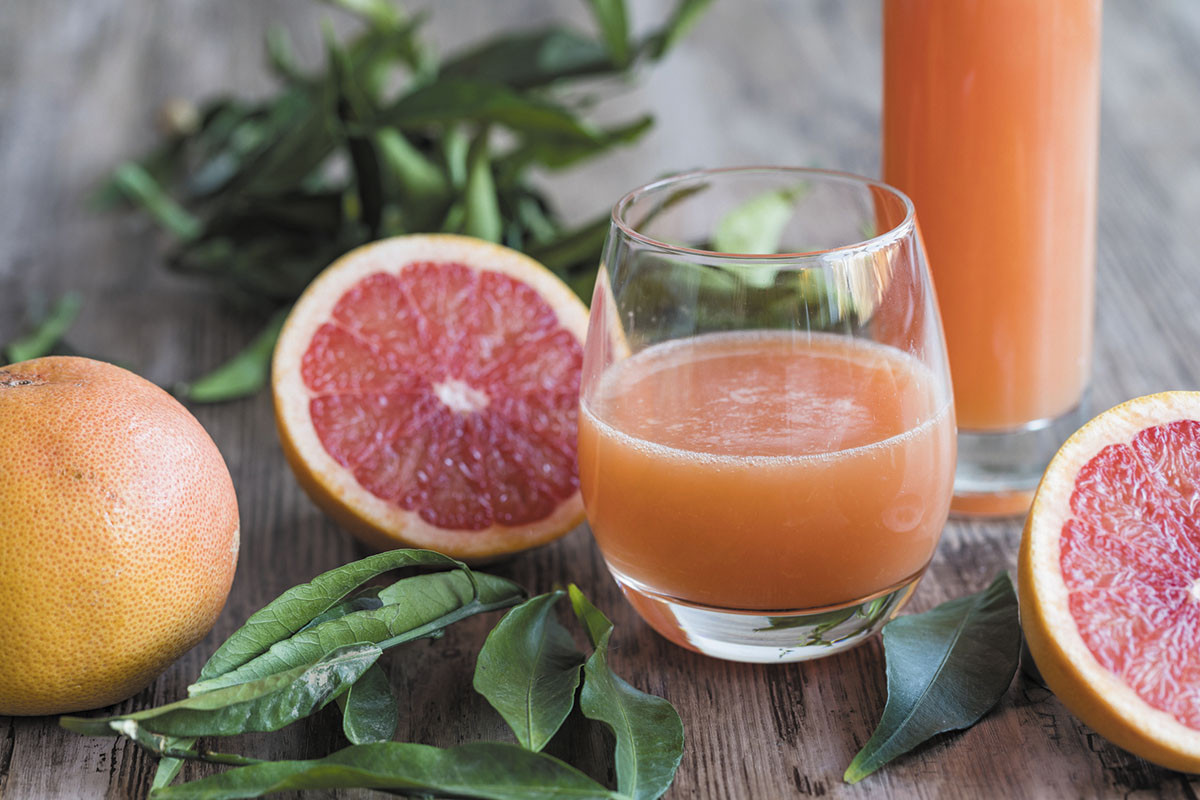
Heart medication interactions
Certain drugs, supplements, or foods can interact with common heart medications. Known as drug-drug or drug-nutrient interactions, these can occur at any point of the drug's "life cycle:" absorption, metabolism, or excretion. When a drug or other substance alters the absorption or metabolism of another drug, this may reduce or increase its effects. For example, grapefruit juice can elevate blood levels of certain statins and potentially increase the risk of side effects.
CoQ10: Should you take this popular supplement if you're on a statin?
Microplastics: A hidden health threat?
Oat vs. dairy milk: Nutrition, benefits, and downsides
What is tempeh? Benefits, nutrition, and how to use it
Healing after food poisoning
Children of centenarians may stay healthier and live longer too, study finds
Light exposure at night may raise risk for heart disease
A lumbar belt may help ease low back pain
Whole grains may improve several heart risk factors at once
Signs of pneumonia: Sometimes vague and unexpected
Free Healthbeat Signup
Get the latest in health news delivered to your inbox!
Sign Up
