

Light exposure at night may raise risk for heart disease

Whole grains may improve several heart risk factors at once

A lumbar belt may help ease low back pain

Children of centenarians may stay healthier and live longer too, study finds

Signs of pneumonia: Sometimes vague and unexpected

The surprising link between ovarian cancer and the fallopian tubes

Using a vibration plate: What it can — and can't — do for your body

People who walk more or walk faster live longer, study finds

For sleep apnea, a dental device may be as effective as CPAP

Rosacea treatments: What works?
Energy and Fatigue Archive
Articles

More than just a game: Yoga for school-age children
Yoga is becoming increasingly popular among American children. Emerging research has shown that yoga has a number of physical and psychological benefits for children, and many classrooms now integrate yoga into a typical school day. Yoga can also be a great way for parents and children to play and interact at home. We’ve included several fun yoga-based exercises and games that parents and children can enjoy together.
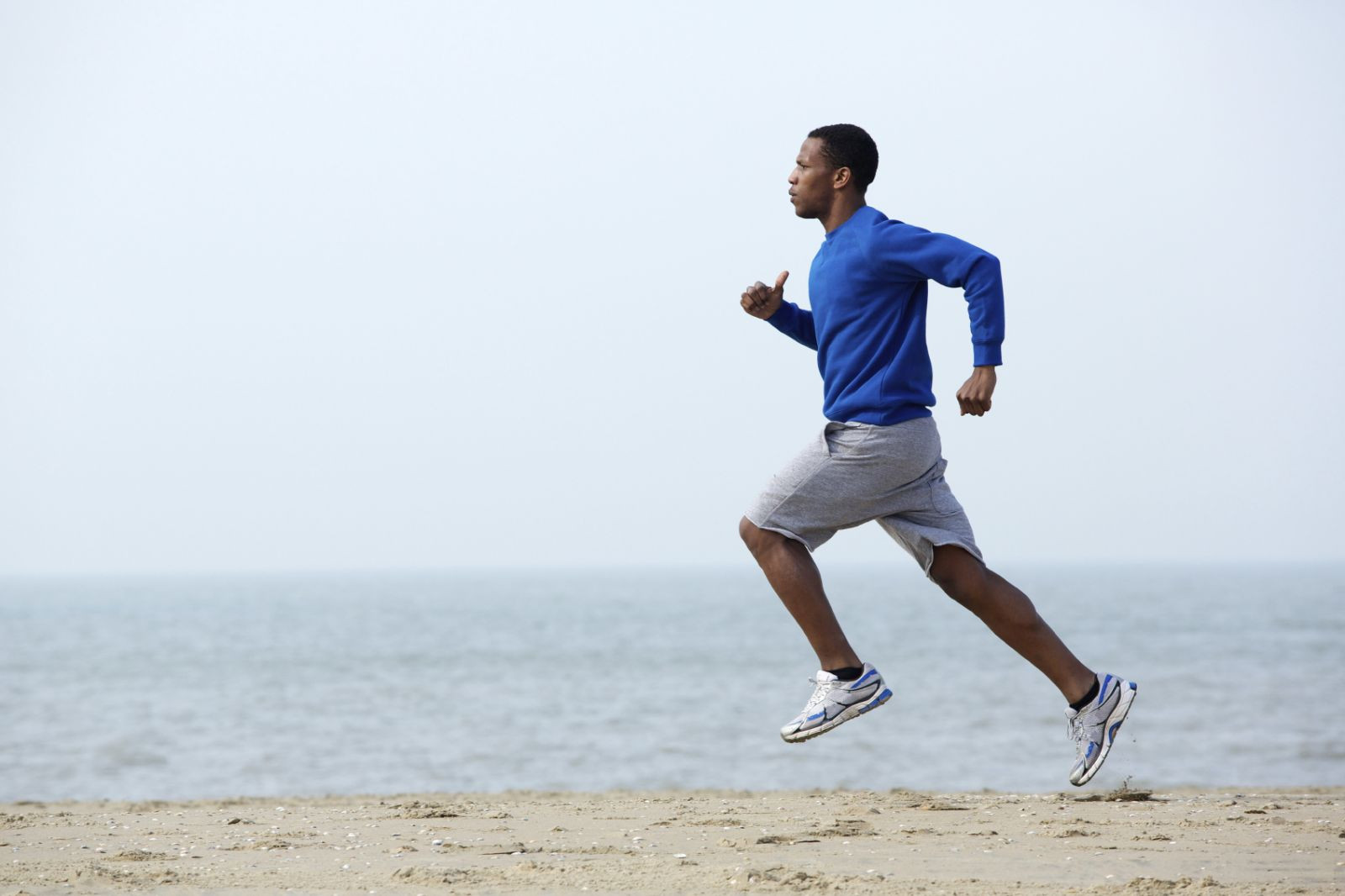
What we do—and don't—know about exercise
Image: Bigstock
Experts' advice has changed as we've learned more about the connection between physical activity and health.
If exercise could be packed into a pill, it would be the single most widely prescribed and beneficial medicine in the nation.

Get active with trackers
Image: Thinkstock
Men who need a regular reminder to stay active can get a little help from these electronic friends.
Your body is wired to receive and respond to feedback. You easily identify pain, discomfort, and fatigue and are quick to make changes to correct the problem.
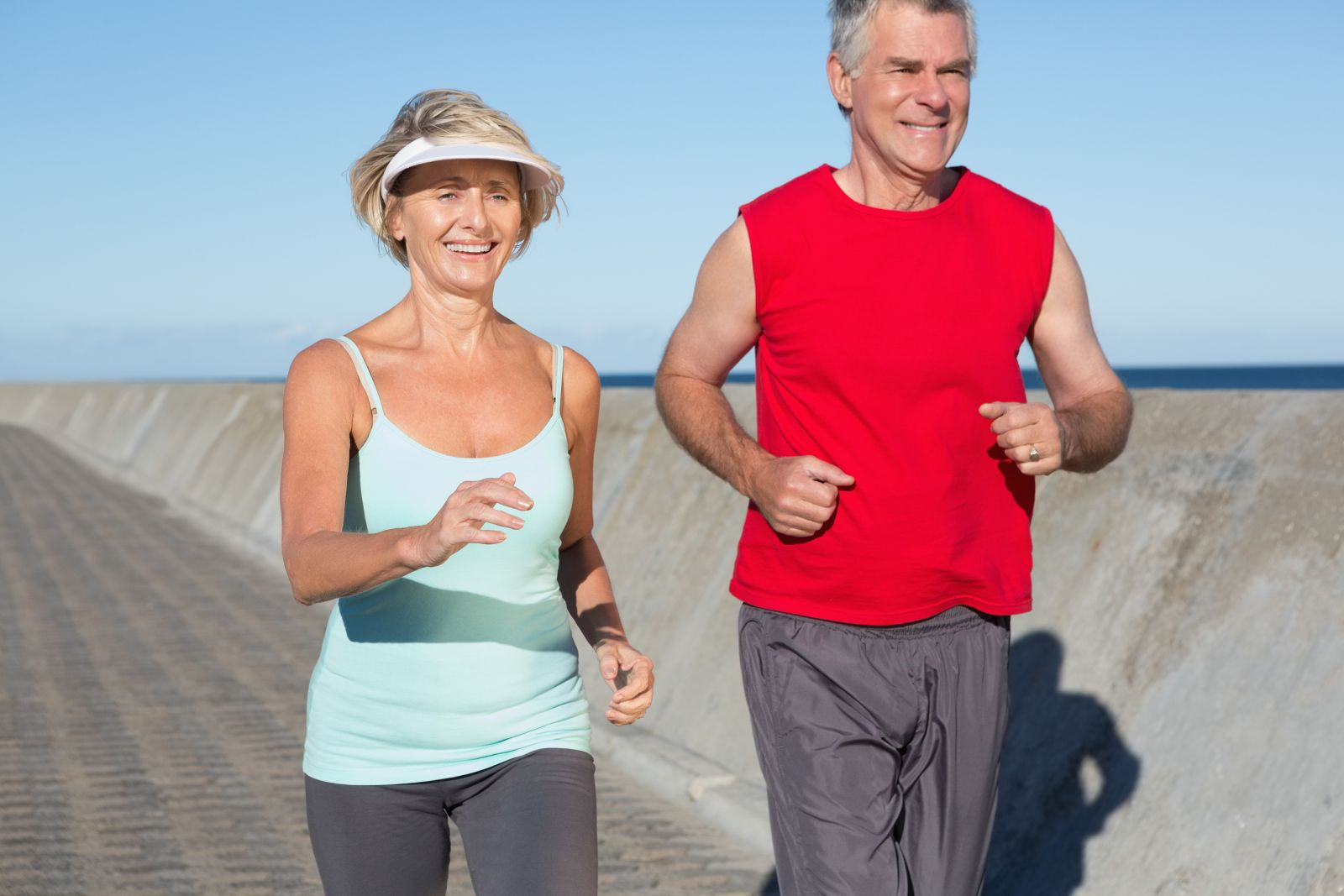
Higher cardio fitness may improve multitasking skills
Image: Bigstock
In the journals
A study published in the journal Frontiers in Aging and Neuroscience (Aug. 25, 2015) has found that fitness levels in older adults correlates with activation in areas in the brain's frontal lobe responsible for executive function—mental skills used to manage time, plan and organize, and remember details. The researchers examined brain imaging and cardio fitness data from 128 adults ages 50 to 80. Cardio fitness level was determined by measuring maximal oxygen consumption (VO2 max) while a person walked at increasing speed on a treadmill. Executive function skills were measured by how fast and accurately a person responded to computer stimuli like numbers and letters.
The results: People with a higher cardiorespiratory fitness level showed greater brain activation in the frontal lobe. They were also better at performing two simultaneous tasks compared with a single one. This is important since older adults have more difficulty processing multiple tasks, says the researchers. While this study found a link between good cardio health and better cognitive function, more research is needed to show you can improve your brain function by increasing your fitness.

Stand more to lower your risk of obesity
In the journals
Even if you are active, increasing the time you spend standing every day may further lower your odds of becoming obese, says a new study from the American Cancer Society.
The researchers studied more than 7,000 patients, ages 20 to 79, and reviewed the association between their standing time and their risk of obesity. They looked at specific measurements—such as body mass index, waist circumference, and body fat percentage—and metabolic syndrome, a clustering of factors that increases the risk for heart disease, stroke, and diabetes.

Exercising in water: Big heart benefits and little downside
Image: Thinkstock
Compared with brisk walking, swimming allows you to meet your fitness goals with less stress on your joints and muscles.
In terms of convenience, it's hard to beat brisk walking as a form of exercise. You don't need any special equipment or venue, and most people can do it. But for some people—such as those with achy knees, sore hips, or substantial weight—walking may be uncomfortable. And during the winter, harsh weather in many parts of the country can make walking outdoors unpleasant—even treacherous at times. A water workout in a warm indoor pool, followed by a relaxing sauna could be an appealing alternative that's also good for your heart.
Step up to better heart health
Research we're watching
Older adults can reap greater heart benefits from a daily stroll if they pick up the pace a bit, a study in the Nov. 4, 2015, Circulation reports.
Most exercise studies include predominantly younger adults. This new study is an exception. Researchers followed more than 4,200 people—whose average age was 73—for 10 years. They gathered information about the participants' health and their physical activity.

Easy exercises for "keyboard athletes"
Quick bursts of exercise and doing tasks will break the cycle of inactivity and keep you healthier.
It's easy to spend long periods sitting in front of a computer, or with a tablet or smartphone, even when you know it's not good for health. But it's not quite as easy to break the cycle of being a "keyboard athlete," and make an effort to get more activity into your day. "I agree, I think people are becoming aware that prolonged sitting has a negative impact on health, but I'm not seeing enough people actually do something about it," says Marsha Pogrebinsky, a physical therapist at Harvard-affiliated Massachusetts General Hospital.
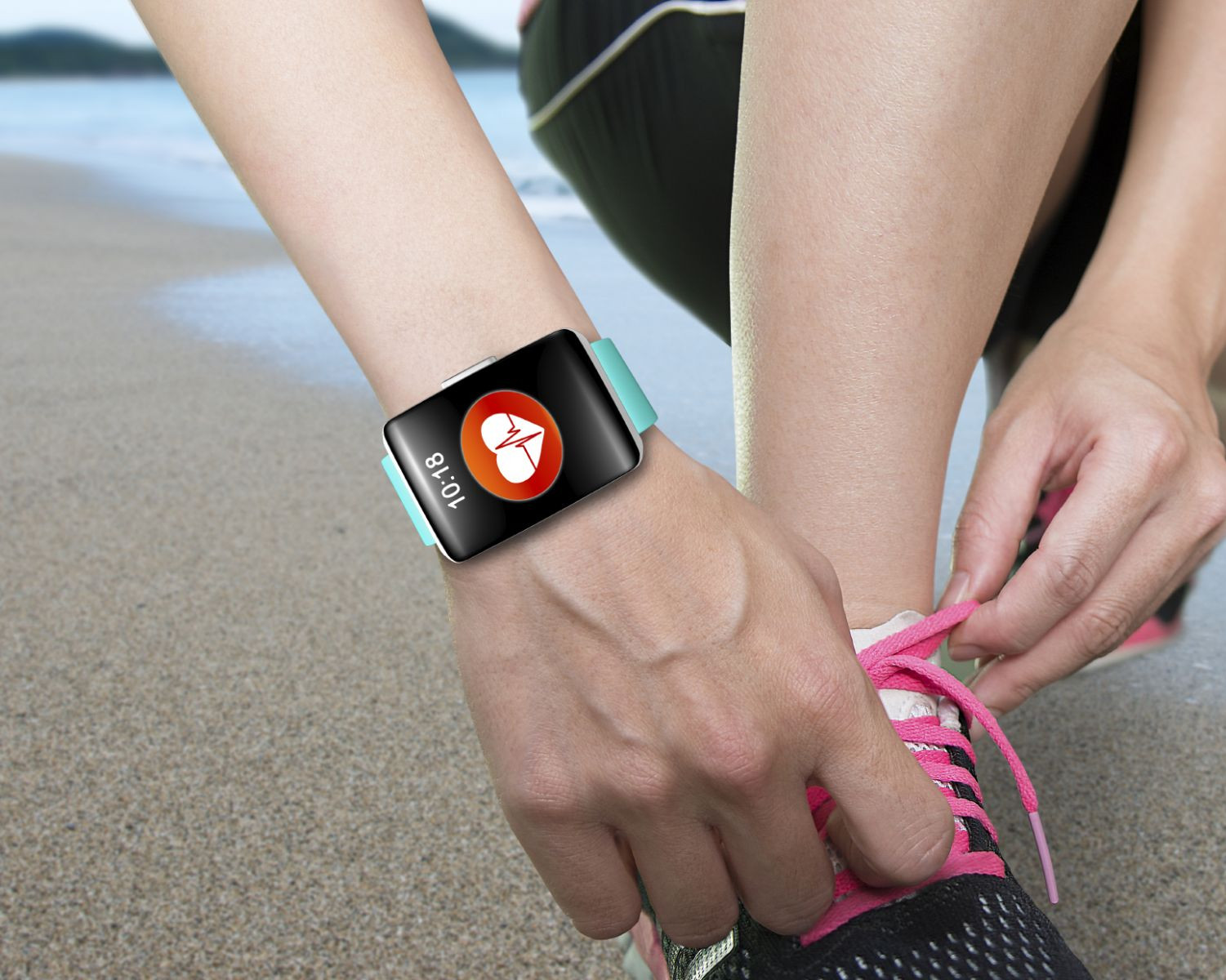
How fitness trackers can improve your health
Image: iStock
The wearable electronic devices may motivate you to stick to a diet or exercise plan.
If you've resolved to get more exercise, lose weight, or get more sleep in 2016, then a host of wearable electronic devices and apps are available to help you succeed. They will gently prod you to work toward your goal, encourage you along the way, and praise you when you get there. The gadgets record your activity, while the apps interpret the results and send you frequent messages to let you know how well you're progressing.
Exercise works even better after menopause, study indicates
Research we're watching
A study reported at the 2015 annual meeting of the North American Menopause Society shows that some types of physical activity have a greater impact on body composition in postmenopausal women than in premenopausal ones.
Researchers at the University of Massachusetts asked 630 premenopausal and 274 postmenopausal women to wear accelerometers (motion trackers) to estimate the amount of time they spent doing physical activity. Although the postmenopausal women, on average, logged fewer active hours and more sedentary time than the premenopausal women, they gained more from the time they did spend in motion. Increased activity was associated with greater reductions in body mass index, waist size, and percentage of body fat in postmenopausal women than in their premenopausal counterparts.
Light exposure at night may raise risk for heart disease
Whole grains may improve several heart risk factors at once
A lumbar belt may help ease low back pain
Children of centenarians may stay healthier and live longer too, study finds
Signs of pneumonia: Sometimes vague and unexpected
The surprising link between ovarian cancer and the fallopian tubes
Using a vibration plate: What it can — and can't — do for your body
People who walk more or walk faster live longer, study finds
For sleep apnea, a dental device may be as effective as CPAP
Rosacea treatments: What works?
Free Healthbeat Signup
Get the latest in health news delivered to your inbox!
Sign Up
