

Light exposure at night may raise risk for heart disease

Whole grains may improve several heart risk factors at once

A lumbar belt may help ease low back pain

Children of centenarians may stay healthier and live longer too, study finds

Signs of pneumonia: Sometimes vague and unexpected

The surprising link between ovarian cancer and the fallopian tubes

Using a vibration plate: What it can — and can't — do for your body

People who walk more or walk faster live longer, study finds

For sleep apnea, a dental device may be as effective as CPAP

Rosacea treatments: What works?
Energy and Fatigue Archive
Articles
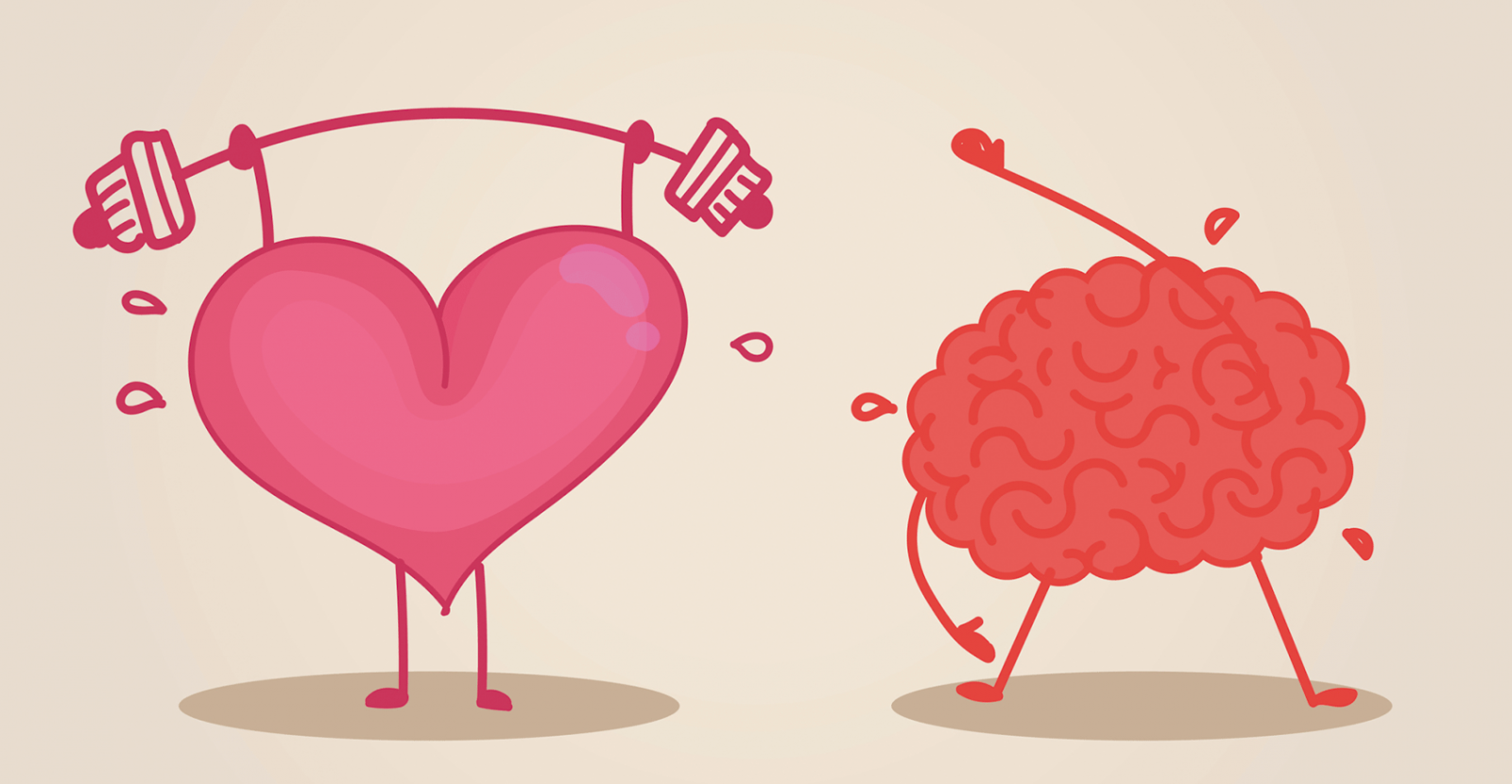
A stronger heart may help keep your brain young
New findings link cardiovascular fitness to better thinking skills and memory in older people.
Image: Thinkstock
Exercise that speeds up your heart rate and breathing keeps your heart and blood better cardiovascular fitness to a sharper brain is providing new clues about this heart-mind connection.
"It's not just about delivering more oxygen to the brain, although that's part of it," says Dr. John Ratey, associate clinical professor of psychiatry at Harvard Medical School and author of Spark: The Revolutionary New Science of Exercise and the Brain. Having a fit, healthy cardiovascular system also protects against vascular dementia, which happens when blood vessels feeding the brain are blocked or narrowed, leading to memory problems and other cognitive trouble.

Put your heart in the right place
Cardiac rehabilitation can speed recovery from heart-related surgery and lower the risk of heart attack and stroke.
Image: Canstock
Cardiac rehab programs are designed for patients who have recovered from a recent heart attack or heart failure, or who have undergone surgery for a heart valve, coronary artery bypass, pacemaker, or stent. They are also helpful for people diagnosed as having a high risk for cardiovascular disease.
"Patients often do well in the programs, and they definitely can improve recovery and future heart health," says Dr. Pradeep Natarajan, a cardiologist with Harvard-affiliated Massachusetts General Hospital. "Yet, many providers don't offer rehab, and most patients don't know about it."

Getting out of the chair boosts metabolism in postmenopausal women
There's mounting evidence that sitting for long periods can have health risks. However, little is known about how the effects of sitting can be countered by standing occasionally. A team of researchers from the United Kingdom and Australia designed a two-day study involving 22 overweight or obese postmenopausal women with high blood sugar who were at risk for diabetes. On the first day, the women were assigned to one of three groups. One group sat for 7.5 hours straight. The other two sat over a 7.5-hour period, but one group was told to stand in place for five minutes every half-hour, and the other was told to walk for five minutes every half-hour. The second day, all the groups sat for 7.5 hours straight.
On both days, the researchers tested each participant's blood levels of glucose, insulin, fatty acids, and triglycerides—all indicators of metabolism. They found that both walking and standing reduced glucose, insulin, and fatty acids—signs of a higher metabolic rate—in women who either stood or walked compared with those who sat the entire time. Moreover, in the two active groups, some of the beneficial effects persisted into the next day, when everyone sat for the entire session.
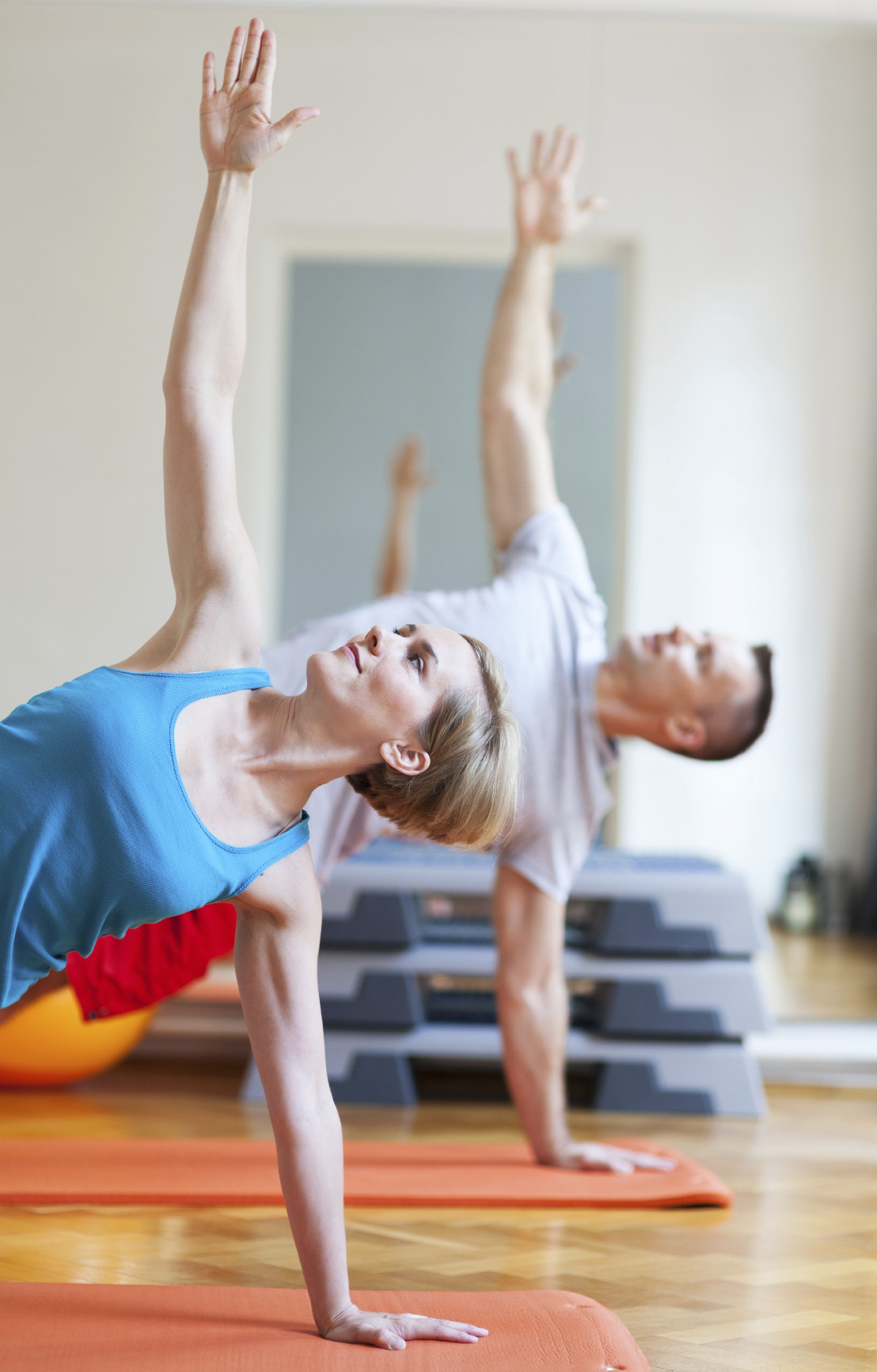
New survey reveals the rapid rise of yoga — and why some people still haven’t tried it
A recently published study confirms what many of us have already observed: the popularity of yoga in the U.S. is exploding. More Americans now practice yoga than ever before — and they’re enjoying a range of health and wellness benefits associated with it. While there are still some negative perceptions of yoga that can discourage people from trying it, there’s a lot the yoga community can do to help them feel included.

Vitamin D and physical function: Is more better?
Much has been promised about the potential health benefits of vitamin D, but the evidence behind many of these promises is lacking. In fact, a recent study that tested whether vitamin D supplements protected older people from physical decline found that those on higher doses were more likely to have a fall. It’s important to get enough vitamin D in your diet. But when it comes to supplements, more is not always better.
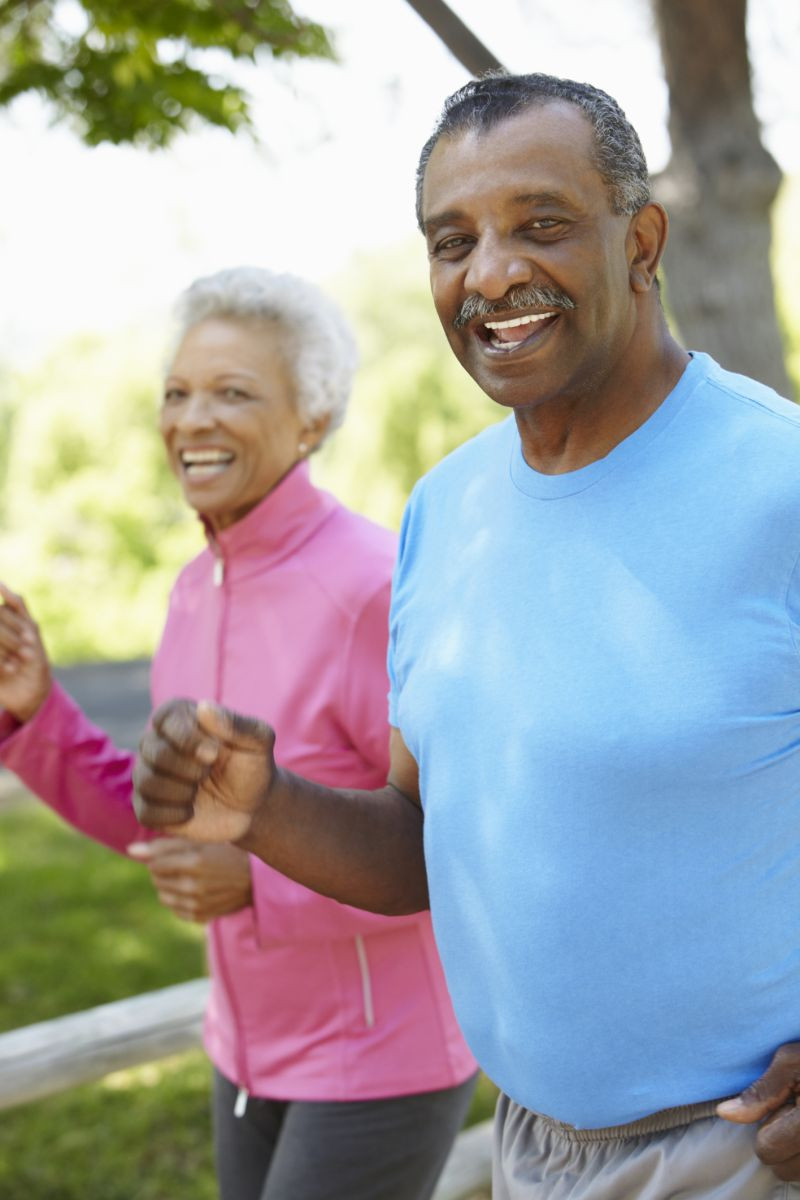
How much exercise is optimal for heart health?
Doing as little as 15 minutes a day can make a difference. Logging extra time helps—but only up to a point.
Regular exercise helps fend off high blood pressure, heart attacks, strokes, and a host of other chronic diseases. Despite these well-publicized benefits, most Americans aren't physically active on a daily basis. One reason may be a mistaken belief that exercise requires heart-pounding exertion and sweat. While that level of effort makes sense if you're training for a race or other athletic event, it's simply not necessary if your main concern is staying healthy.
"Unfortunately, most people have blurred the distinction between exercising for health and well-being and exercising for fitness in an athletic, competitive sense," says Dr. Harvey Simon, associate professor of medicine at Harvard-affiliated Massachusetts General Hospital. "The truth is that if you're exercising for health, it takes very little effort to see enormous benefits," he says.

Ask the doctor: When should I begin exercising?
Ask the doctor
Q. I'm a 23-year-old man who reads my mother's copy of the Harvard Health Letter. You often talk about how regular exercise improves health, particularly heart health. Since heart disease doesn't usually start until a man is in his 60s, at what age should I get serious about exercise?
A. Right now. Probably five years ago would have been even better. I will admit that most of the studies linking regular exercise with health benefits have been done in adults over age 50. But recently a study from doctors at Johns Hopkins was published in the medical journal JAMA Internal Medicine that is directly relevant to you. The study enrolled nearly 5,000 young adults, ages 18 to 30, and followed them for nearly 27 years. These study participants came from different geographic areas in the United States and included both males and females and people of different racial and ethnic groups.

Yoga for everyone
Chair yoga can help you boost balance, flexibility, mood, and overall strength.
You don't have to be steady on your feet to reap the rewards of yoga. There's a kind of yoga class tailored to people who need assistance with balance and stability. It's called chair yoga, because the yoga is performed while seated or while standing next to a chair for support. "It's especially good for people who can't get up and down off the floor, but really anyone is a candidate for the class as long as the person doesn't have an injury that would cause harm by movement," explains Laura Malloy, director of yoga at the Benson-Henry Institute for Mind Body Medicine, part of Harvard-affiliated Massachusetts General Hospital.
Yoga benefits
Yoga is a series of poses (called postures) and breathing techniques that include an element of meditation. The postures are beneficial in a number of ways. They help reduce muscular tension, build flexibility and strength, add bone strength, and improve balance.
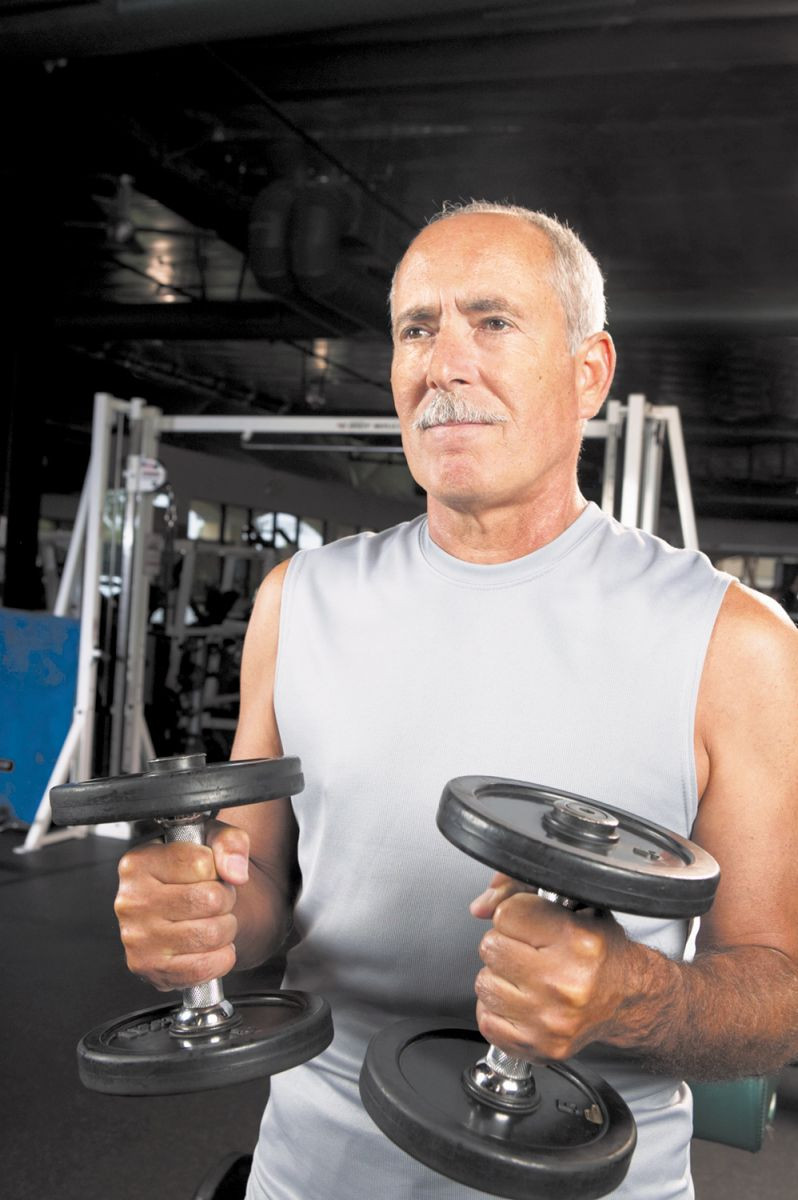
Preserve your muscle mass
Declining muscle mass is part of aging, but that does not mean you are helpless to stop it.
The saying goes there are two certainties in life: death and taxes. But men should also add loss of muscle mass to the list.
Age-related muscle loss, called sarcopenia, is a natural part of aging. After age 30, you begin to lose as much as 3% to 5% per decade. Most men will lose about 30% of their muscle mass during their lifetimes.

Is football safe for kids?
Many team sports have tremendous health benefits for children, but youth football, in particular, continues to pose a concern because of the high risks of concussion and other injuries. A recent NEJM article has taken a stance against allowing tackling in youth football. But is this position really the best way to promote the health and safety of youth athletes?
Light exposure at night may raise risk for heart disease
Whole grains may improve several heart risk factors at once
A lumbar belt may help ease low back pain
Children of centenarians may stay healthier and live longer too, study finds
Signs of pneumonia: Sometimes vague and unexpected
The surprising link between ovarian cancer and the fallopian tubes
Using a vibration plate: What it can — and can't — do for your body
People who walk more or walk faster live longer, study finds
For sleep apnea, a dental device may be as effective as CPAP
Rosacea treatments: What works?
Free Healthbeat Signup
Get the latest in health news delivered to your inbox!
Sign Up
