

Naturally gluten-free foods

Harvard study: Healthier fats linked to longer life after prostate cancer diagnosis

Shingrix shingles vaccine linked with lower heart disease risks

Estrogen-only hormone therapy tied to lower dementia risk

Should you have a hysterectomy?

Stair climbing may significantly lower cardiovascular risks

Why do I sweat so much?

Walking pneumonia: The "mild" illness that can still pack a punch

What causes knee pain: How doctors make a diagnosis

Where you carry excess weight matters in predicting heart disease risk
Emotional and mental well-being Archive
Articles

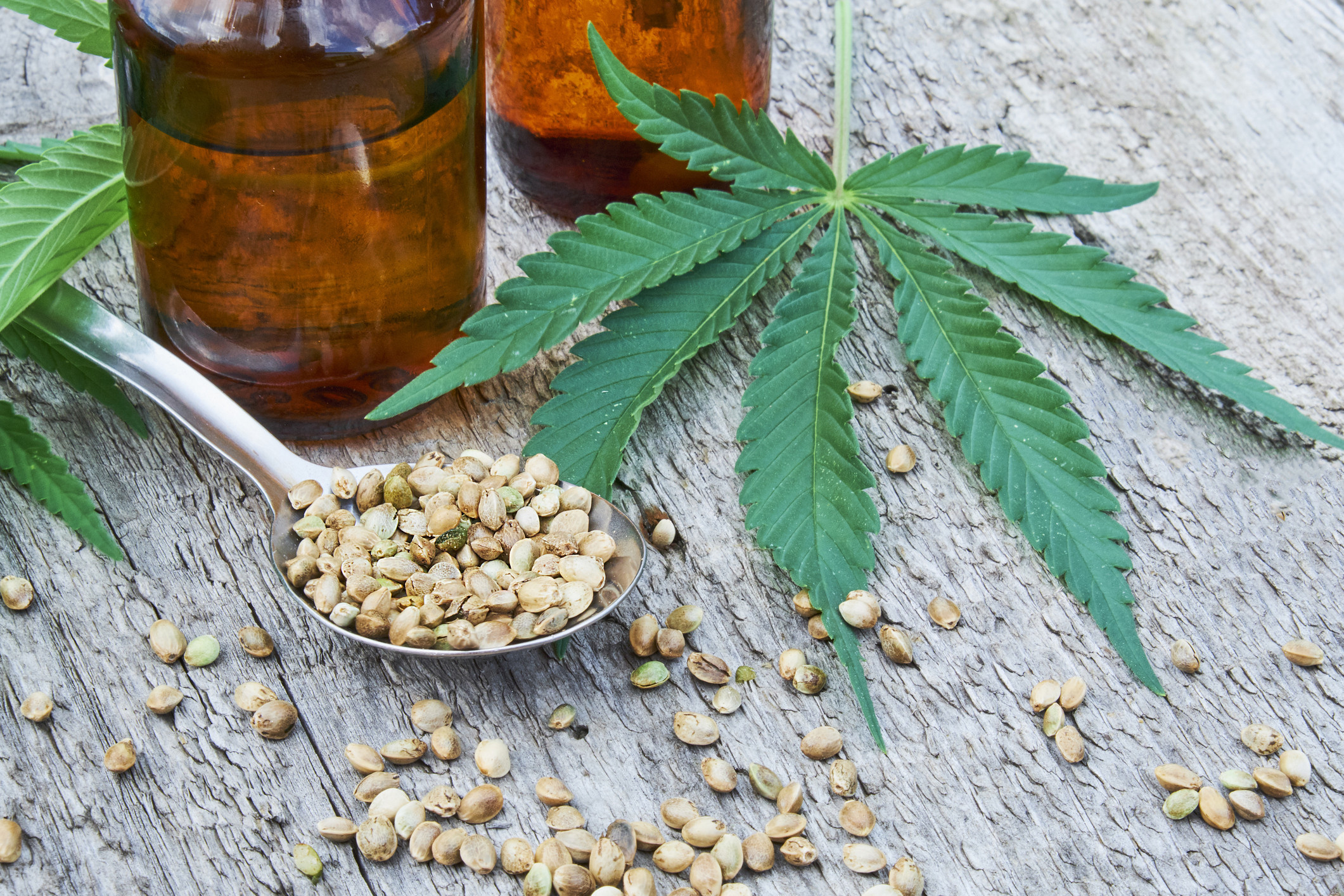
Cannabidiol (CBD): What we know and what we don't
Cannabidiol (CBD) is an active ingredient in cannabis that is derived from the hemp plant, but it does not cause a high and is not addictive. CBD has been shown to be effective in treating conditions like pain, insomnia, and anxiety.


Understanding the stress response
Research suggests that prolonged stress is linked to high blood pressure, clogged arteries, anxiety, depression, addictive behaviors, and obesity.

Is it worrisome to hear a pulse in my ear?
One morning last week I woke up hearing my heartbeat in my left ear. I hear it most clearly when I am in bed or sitting quietly. My health is good, and I was told after a recent cardiac workup that my heart was "perfect." Should I be worried?

Lightheaded? Top 5 reasons you might feel woozy
Lightheadedness is a feeling of wooziness or faintness. It is commonly caused by dehydration, drug side effects, blood pressure drops, low blood sugar, heart disease, or stroke.

Dog bites: How to prevent or treat them
More than 4.5 million dog bites occur in the US each year. Despite what you might expect, most of these are inflicted by a pet dog in a home. Learn more about how you can avoid injury, and what to do if you do get bitten.

Should I take a daily multivitamin?
While most people get enough vitamins and minerals from a regular diet, they may benefit from taking a daily multivitamin supplement. These are inexpensive, are considered safe, and may help maintain brain health.

Weighing the dangers of extra weight
Standard definitions consider a healthy body mass index (BMI), a calculation based on a person's height and weight, as between 18.5 and 24.9. Studies have found that a higher BMI increases risk for heart disease, diabetes, and some types of cancer. However, even if their BMI does not fall into the category of overweight, people who gain five or more pounds may be at risk for health problems, especially if the weight gain is belly fat. The best approach is a combination of aerobic exercise, strength training, and a healthy diet.
Naturally gluten-free foods
Harvard study: Healthier fats linked to longer life after prostate cancer diagnosis
Shingrix shingles vaccine linked with lower heart disease risks
Estrogen-only hormone therapy tied to lower dementia risk
Should you have a hysterectomy?
Stair climbing may significantly lower cardiovascular risks
Why do I sweat so much?
Walking pneumonia: The "mild" illness that can still pack a punch
What causes knee pain: How doctors make a diagnosis
Where you carry excess weight matters in predicting heart disease risk
Free Healthbeat Signup
Get the latest in health news delivered to your inbox!
Sign Up
