

Naturally gluten-free foods

Harvard study: Healthier fats linked to longer life after prostate cancer diagnosis

Shingrix shingles vaccine linked with lower heart disease risks

Estrogen-only hormone therapy tied to lower dementia risk

Should you have a hysterectomy?

Stair climbing may significantly lower cardiovascular risks

Why do I sweat so much?

Walking pneumonia: The "mild" illness that can still pack a punch

What causes knee pain: How doctors make a diagnosis

Where you carry excess weight matters in predicting heart disease risk
Eczema (atopic dermatitis) Archive
Articles

You don't say? Pointing a finger(nail) at your health

Sunscreen makers withdraw products found to contain cancer-causing substance

Inspect your nails for melanoma
You don't say? Hair today, gone tomorrow

Can a daily scoop of collagen powder really improve your skin?


Shaking off shingles
Shingles is a painful neurological condition that is more likely to attack as people age. Left untreated, it can increase risk for chronic pain, blindness, and other long-term health problems.
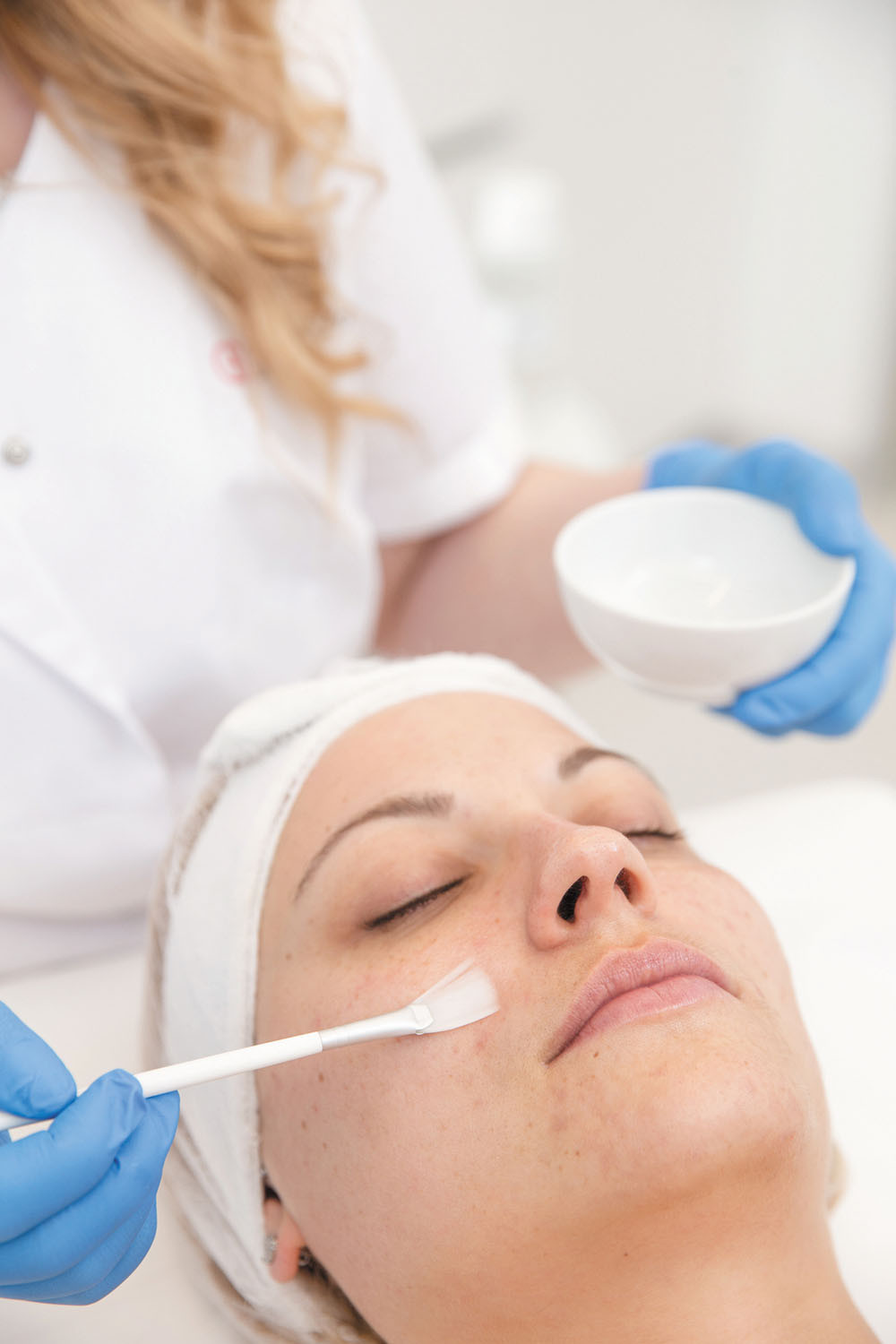
Shedding your skin
Chemical peels can help improve your skin, if you choose the right product and follow safety instructions.
As you age, your skin changes, and not always in a good way. Some of the most common problems are caused by sun damage, including dark spots, rough texture, fine lines, and wrinkles. Chemical peels, which use a chemical solution to remove the top layers of the skin, are billed as one way to target these changes and improve the skin. Peels can be done at home, in a medical spa, or at a dermatologist's office. But the question is, are they really effective or good for your skin?
Dr. Hye Jin "Leah" Chung, assistant professor in the Department of Dermatology at Harvard Medical School, says yes, chemical peels can help your skin. But that endorsement comes with a caveat, she says. "They are beneficial as long as you use the right agent and the right technique," says Dr. Chung. Used incorrectly, chemical peels can be harmful and even cause burns or pigment changes.

Here comes the sun
With summer approaching, you need to be more attentive about sun protection.
Men have many skin challenges as they age. They develop wrinkles, lines, spots, and discoloration. Older men also are at greater risk for the two most common skin cancers: basal cell carcinoma and squamous cell carcinoma.
Without adequate sun protection, these conditions can become more frequent and severe.
Naturally gluten-free foods
Harvard study: Healthier fats linked to longer life after prostate cancer diagnosis
Shingrix shingles vaccine linked with lower heart disease risks
Estrogen-only hormone therapy tied to lower dementia risk
Should you have a hysterectomy?
Stair climbing may significantly lower cardiovascular risks
Why do I sweat so much?
Walking pneumonia: The "mild" illness that can still pack a punch
What causes knee pain: How doctors make a diagnosis
Where you carry excess weight matters in predicting heart disease risk
Free Healthbeat Signup
Get the latest in health news delivered to your inbox!
Sign Up
