

People who walk more or walk faster live longer, study finds

Rosacea treatments: What works?

For sleep apnea, a dental device may be as effective as CPAP

Carb cycling: What is it, and does it work?

Understanding orthorexia: Have your healthy eating goals gone too far?

Melatonin or magnesium: Can either supplement help you sleep?

Salmonella, E. coli, Cyclospora, and other germs that cause food poisoning: What you need to know

Naturally gluten-free foods

Harvard study: Healthier fats linked to longer life after prostate cancer diagnosis

Shingrix shingles vaccine linked with lower heart disease risks
Diseases & Conditions Archive
Articles

Adult female acne: Why it happens and the emotional toll
Women are more likely to get acne after age 20 than men. Unfortunately, treatment options that worked in the teenage years may not work as well in adult females. The emotional toll of acne may include a higher risk of developing depression, and having severe acne can negatively affect quality of life.

Struggling with migraine hangovers? Read this
Migraines can last hours or days and span several distinct phases. A post-headache phase leaves as many as four out of five migraine sufferers feeling like they have a hangover. Experts recommend different approaches to help ward off lingering symptoms depending on their intensity.

Taking the air out of bloating
Everyone feels bloated at times after eating. Bloating is a feeling of tightness, fullness, or pressure in the belly that comes along with abdominal swelling and mild to intense pain. Excessive gas buildup from a sluggish digestive system and problems digesting certain foods are the leading causes. While most bloating goes away after a while, for regular occurrences, people should examine their diet for trigger foods and use over-the-counter anti-gas remedies as needed. In cases of frequent or extended bloating, a doctor should see if other problems are present.

Lowering the volume of tinnitus
While there is no cure for tinnitus—the mysterious condition that causes a sound in the head with no external source—many people can manage symptoms and control their reaction by practicing sound therapy, masking, counseling or cognitive behavioral therapy. Sound therapy helps to change your brain's perception of tinnitus so it learns to ignore the noise, while masking works to cover up the sounds with background noise like white noise, ambient sounds, and nature music.
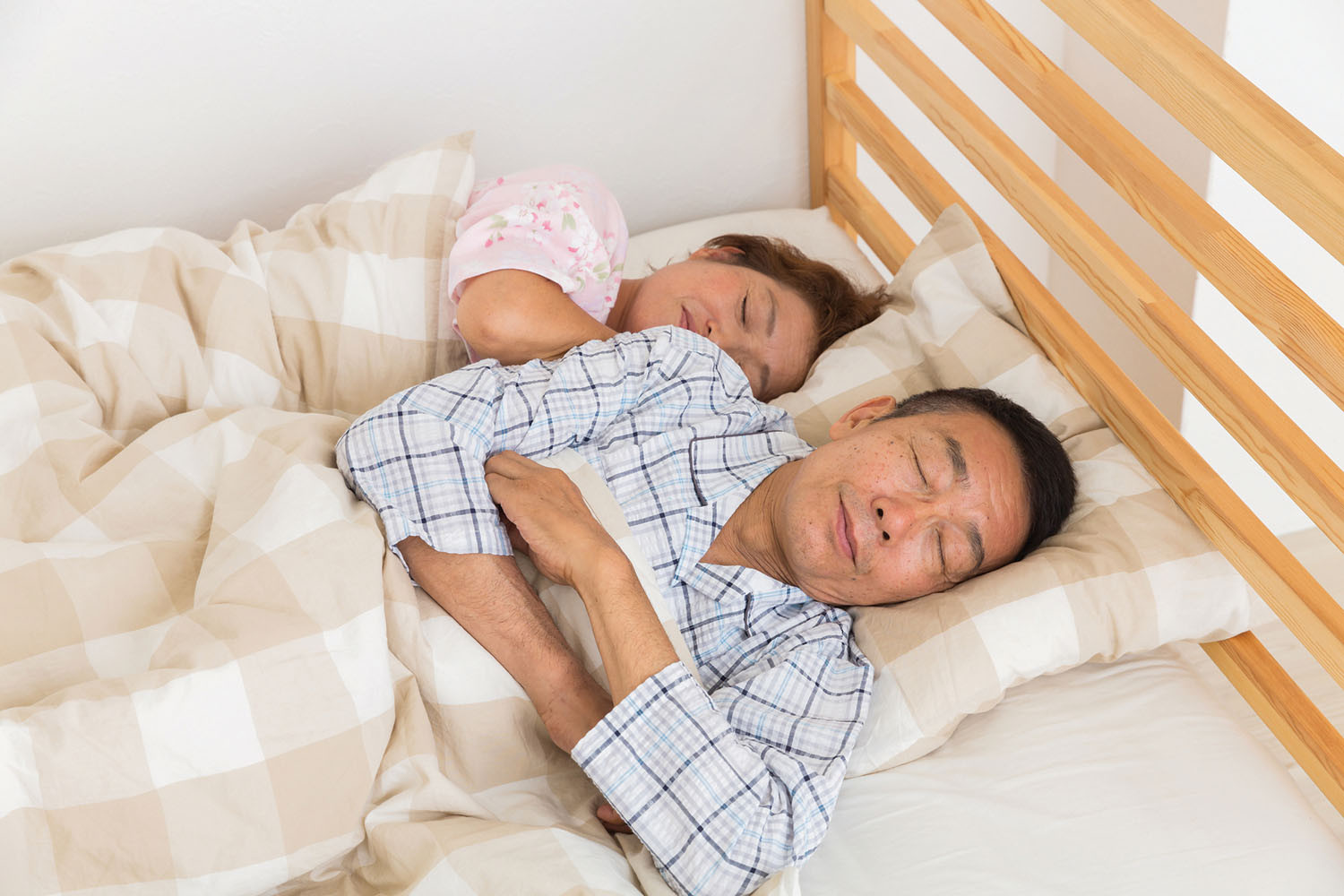
What's the best sleep position to combat heartburn?
Among people with chronic heartburn, sleeping on the left side appears to help backed-up stomach acid leave the esophagus faster than sleeping on the right side or back, according to a study in the February 2022 issue of The American Journal of Gastroenterology.

Is it okay to use proton-pump inhibitors on demand?
When doctors say that it's okay to take proton-pump inhibitors (PPIs) "on demand" for chronic heartburn, the advice doesn't apply to everyone. PPIs inhibit the production of stomach acid, which can back up into the esophagus and can cause pain (heartburn) and damage the lining of the esophagus. People with damage to the esophagus often stay on PPIs long-term to prevent further problems. People without damage to the esophagus can take a short course of PPIs as needed.

Why do I itch more at night?
Nighttime skin itching can stem from dry skin, hormone changes, certain medications and skin care products, and rarely, a more serious illness. It can help to change bedding or pajamas, take short baths or showers, apply moisturizer liberally, and use a humidifier.

Warning: Older age makes you vulnerable to the summer heat
The ability to function relies on maintaining a core body temperature. In a hot environment, body temperature starts to rise and the body releases heat by sweating or by carrying blood away from the body's core to the skin surface, where heat leaves the body. But those functions wane in older age. As a result, heat can build up, putting organs at risk for severe damage. To avoid such problems, it helps to stay hydrated; avoid going outside during the peak temperatures of the day; stay inside in an air-conditioned environment; and wear lightweight, light-colored clothing in warm weather.

New recommendations for pneumococcal vaccination
In January 2022, the CDC published updated recommendations for vaccinating adults against pneumococcal disease and approved two new pneumococcal conjugate vaccines (PCVs).

Going off antidepressants
People who have been taking antidepressants for some time may wish to stop taking them due to unpleasant side effects. This can be accomplished, but it is best to taper the dosage slowly and be aware of the potential for discontinuation symptoms.
People who walk more or walk faster live longer, study finds
Rosacea treatments: What works?
For sleep apnea, a dental device may be as effective as CPAP
Carb cycling: What is it, and does it work?
Understanding orthorexia: Have your healthy eating goals gone too far?
Melatonin or magnesium: Can either supplement help you sleep?
Salmonella, E. coli, Cyclospora, and other germs that cause food poisoning: What you need to know
Naturally gluten-free foods
Harvard study: Healthier fats linked to longer life after prostate cancer diagnosis
Shingrix shingles vaccine linked with lower heart disease risks
Free Healthbeat Signup
Get the latest in health news delivered to your inbox!
Sign Up
