

Reading the current blood pressure guidelines

Oat vs. dairy milk: Nutrition, benefits, and downsides

Microplastics: A hidden health threat?

Healing after food poisoning

What is tempeh? Benefits, nutrition, and how to use it

Light exposure at night may raise risk for heart disease

Whole grains may improve several heart risk factors at once

A lumbar belt may help ease low back pain

Children of centenarians may stay healthier and live longer too, study finds

Signs of pneumonia: Sometimes vague and unexpected
Digestive Health Archive
Articles

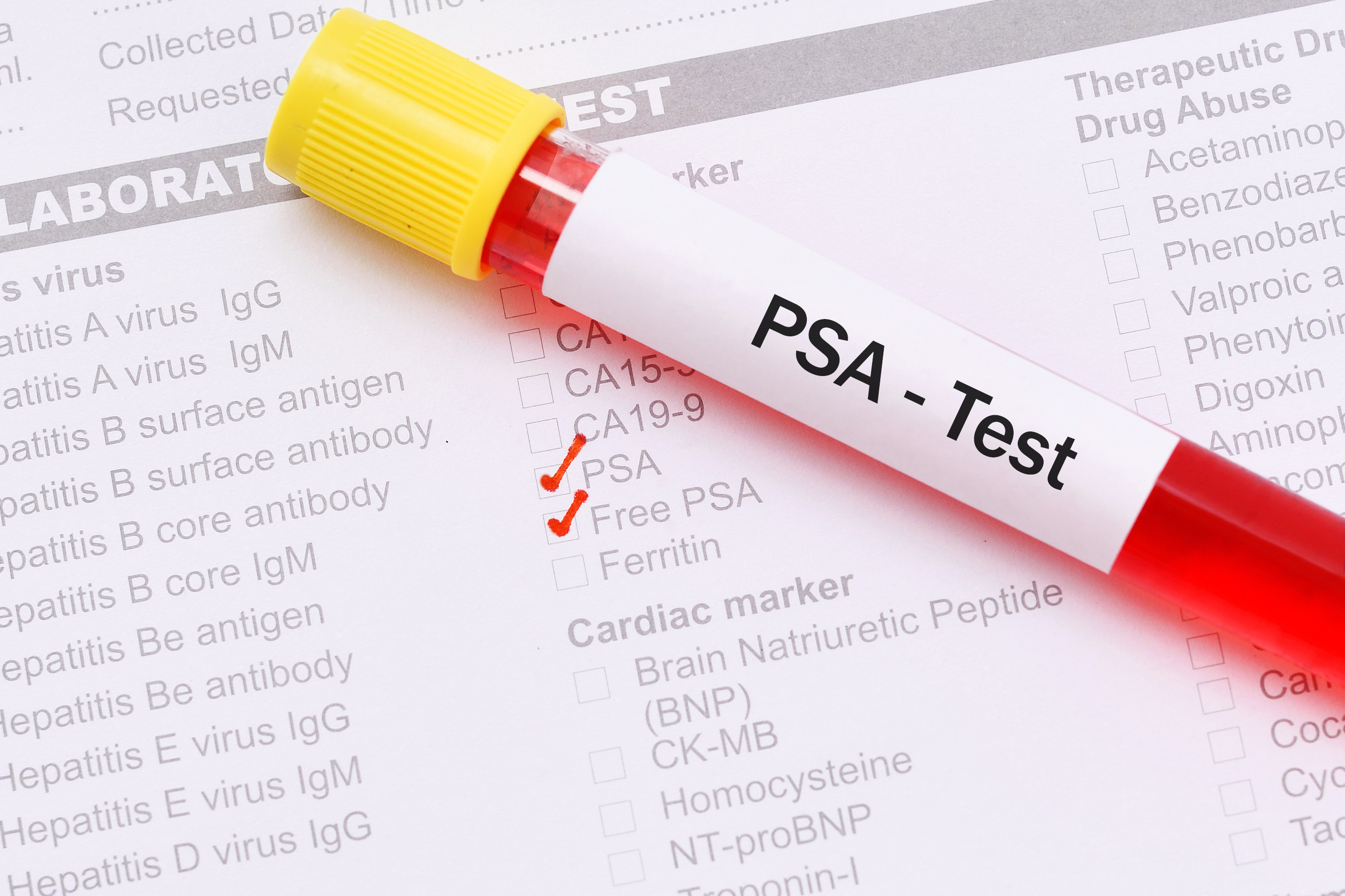
To PSA test or not to PSA test: That is the discussion
The recommended guidelines for whether men should have the prostate cancer screening test have changed in recent years. A man considering the test should talk with his doctor and understand all the pros and cons involved.

Do gel manicures increase cancer risk?
Ask the doctors
Image: © Click_and_Photo/Thinkstock
Q. I like gel manicures because the polish doesn't chip easily, but I've heard that they may cause cancer. Is this true?
A. The gel polish itself hasn't been associated with an increased risk of cancer. However, lamps and light boxes, which are used to seal the polish during professional manicures, have raised concern. That's because many emit fairly high levels of UVA radiation, which plays a major role in the development of cancer. The level of risk depends on the frequency of manicures. A 2014 study in JAMA Dermatology indicated that the level of UVA exposure associated with a gel manicure every two weeks probably isn't high enough to increase the risk of skin cancer significantly.
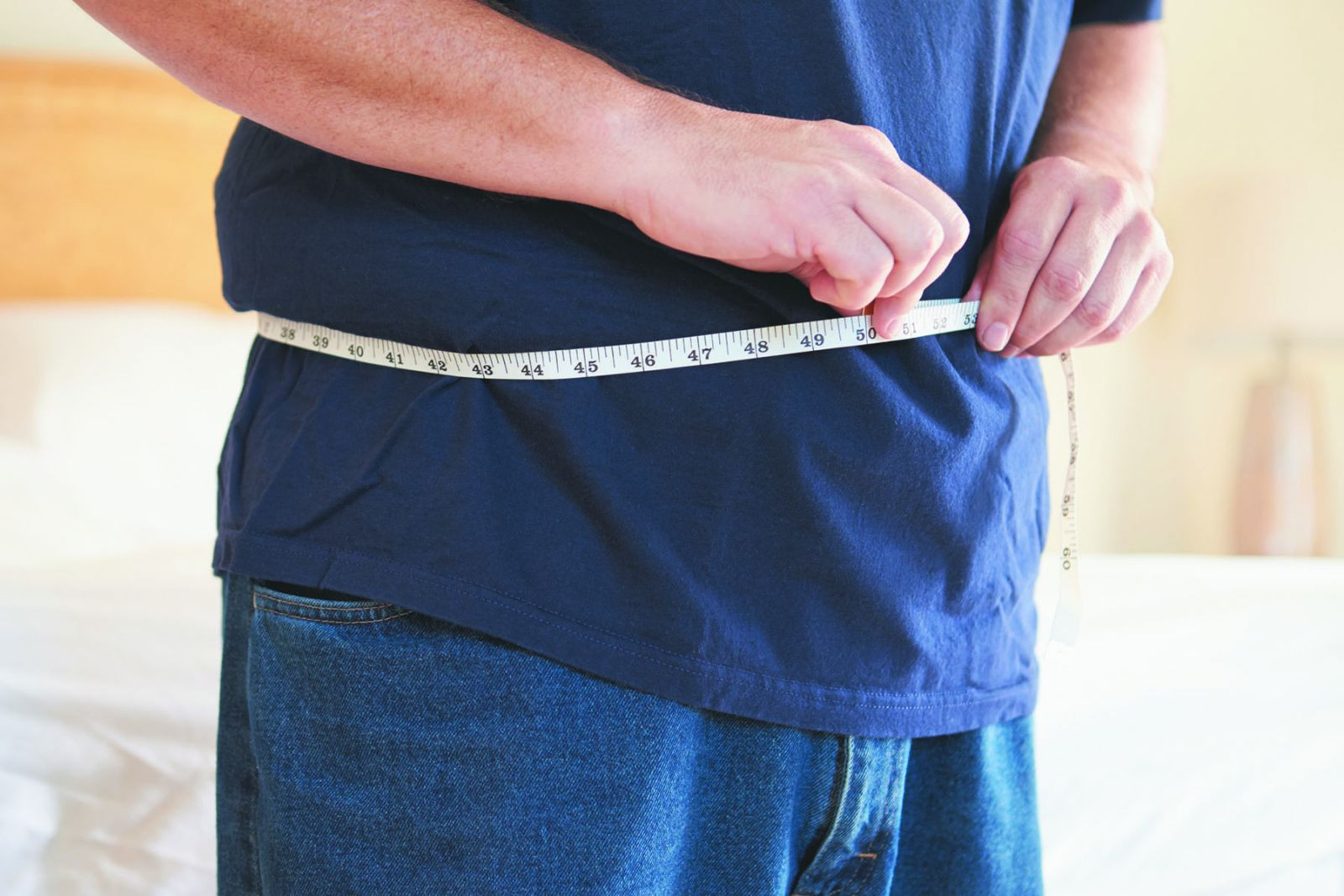
Cancer and fat: New findings about the connection
News briefs
Image: © monkeybusinessimages/Thinkstock
Carrying around extra weight is a known risk factor for developing some cancers. But exactly which kinds of cancer are associated with obesity is debated. A study published Feb. 28, 2017, in The BMJ aimed to narrow it down. European researchers combed through about 100 large reviews of observational studies that looked for links between being overweight and getting cancer.
Out of 36 kinds of cancer evaluated, the researchers found strong evidence for a link to obesity for 11—in the colon, rectum, biliary tract (liver and gallbladder), pancreas, breast, endometrium (uterine lining), ovary, kidney, and the gastric cardia (the junction of the esophagus and stomach); a certain type of esophageal cancer (adenocarcinoma); and one type of bone marrow cancer (multiple myeloma). The researchers said there may be links between obesity and other cancers, but so far the evidence is relatively weak.

The problem with tanning (and the myth of the base tan)
The earlier one starts tanning, the longer the lifetime skin damage and the higher the skin cancer risk. As the number of people with skin cancer increases, it has become especially important to convey to teenagers the message that tanning is an unhealthy choice, whether it’s outdoors or in a tanning bed.

As an ex-smoker, am I still at high risk for lung cancer?
Ask the doctor
Q. I smoked for more than 20 years, but gave it up about 15 years ago. Am I still at risk for lung cancer or other health problems?
A. Not smoking is the best health move any man can make. The good news is that the benefits of quitting smoking begin almost immediately after your final cigarette, although the risk of smoking-related cancers may take years to decline.
Harvard researchers link diverticulitis to red meat
News briefs
Red meat is associated with an increased risk for developing cardiovascular disease, diabetes, and some types of cancer. Now, a study published online Jan. 9, 2017, by the journal Gut suggests that eating red meat is associated with an increased risk for developing diverticulitis. This occurs when tiny pouches in the wall of the large intestine become inflamed, potentially causing cramps, diarrhea, constipation, and even rectal bleeding. We don't really know what causes diverticulitis, so researchers explored possible dietary links. They analyzed health and diet information reported by more than 46,000 men (ages 40 to 75) over 26 years. Men who ate the most red meat per week (about 13 servings) were 58% more likely to develop diverticulitis during the study period, compared with men who ate the least red meat per week (1.2 servings). The association was strongest for unprocessed red meat like steak. However, the risk for developing diverticulitis was 20% lower when people in the study substituted poultry or fish for a serving of unprocessed red meat each day. The findings don't prove that red meat causes diverticulitis, but other studies have suggested red meat may be a factor in diverticular disease.

The lowdown on constipation
Don't take constipation sitting down. Lifestyle changes can help you find relief.
Image: © rimglow; © Martin Poole; © sarahdoow; © ValentynVolkov/Thinkstock
Constipation may be unpleasant and embarrassing, but it should never be ignored. About one-third of adults ages 60 and older report at least occasional constipation, which can leave them feeling bloated, uncomfortable, and sluggish.
"It's an incredibly common problem, especially among older men, but it's important to address and manage, as it can affect your nutrition and quality of life," says Dr. Judy Nee, a gastroenterologist with Harvard-affiliated Beth Israel Deaconess Medical Center.
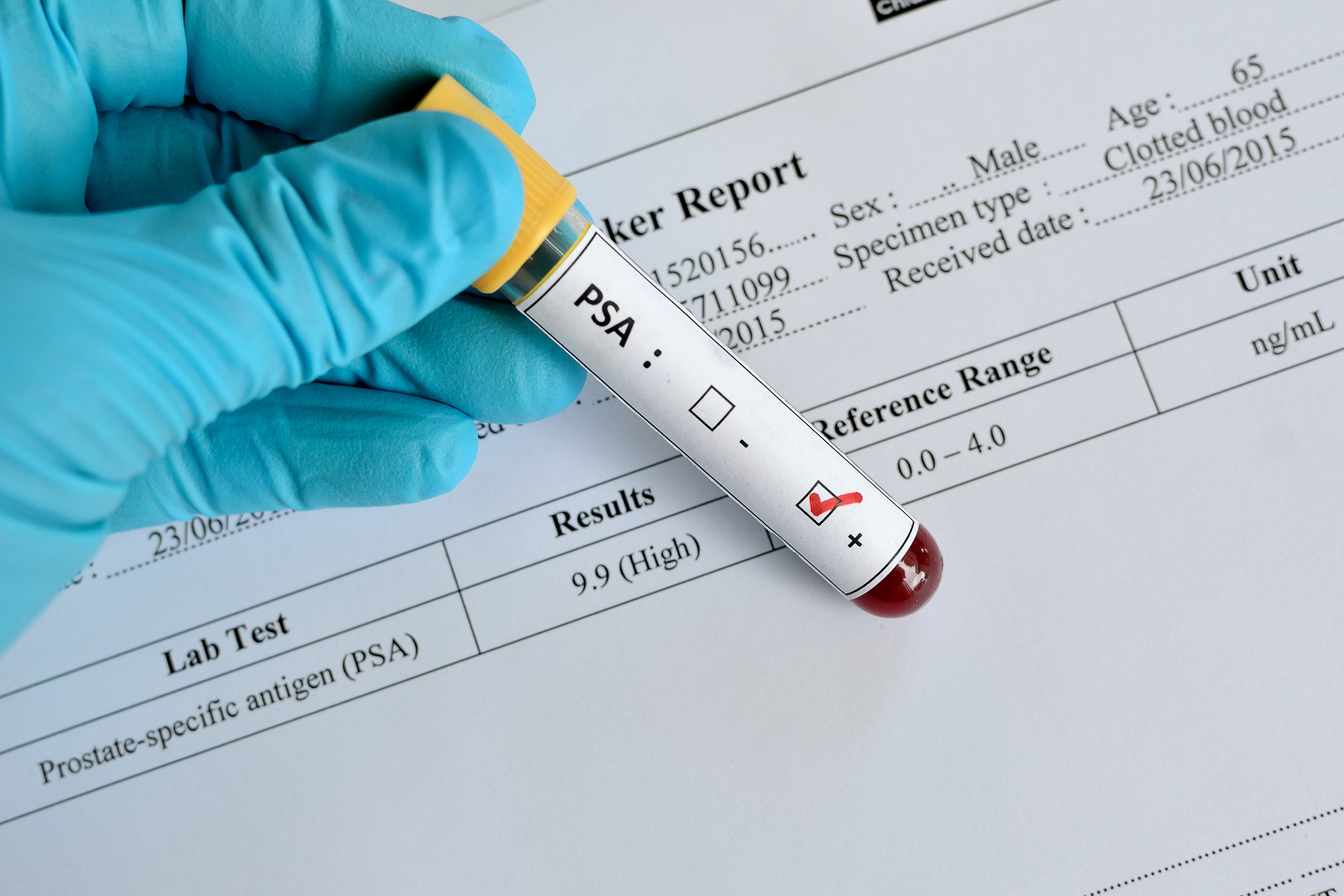

White wine linked to higher risk of certain melanomas
Data from more than 200,000 people indicates that the risk of developing melanoma increases by 13% for every glass of white wine consumed per day. Drinking beer, red wine, or liquor was not associated with increased risk.
Reading the current blood pressure guidelines
Oat vs. dairy milk: Nutrition, benefits, and downsides
Microplastics: A hidden health threat?
Healing after food poisoning
What is tempeh? Benefits, nutrition, and how to use it
Light exposure at night may raise risk for heart disease
Whole grains may improve several heart risk factors at once
A lumbar belt may help ease low back pain
Children of centenarians may stay healthier and live longer too, study finds
Signs of pneumonia: Sometimes vague and unexpected
Free Healthbeat Signup
Get the latest in health news delivered to your inbox!
Sign Up
