

Naturally gluten-free foods

Harvard study: Healthier fats linked to longer life after prostate cancer diagnosis

Shingrix shingles vaccine linked with lower heart disease risks

Estrogen-only hormone therapy tied to lower dementia risk

Should you have a hysterectomy?

Stair climbing may significantly lower cardiovascular risks
Why do I sweat so much?
Walking pneumonia: The "mild" illness that can still pack a punch

What causes knee pain: How doctors make a diagnosis

Where you carry excess weight matters in predicting heart disease risk
Cognitive health and memory Archive
Articles

Bedbug invasion?
Bedbugs are tiny, flightless insects that feed on the blood of sleeping people and animals. After being nearly eradicated more than 50 years ago, bedbugs are now more resistant to pesticides and have resurged over the past decade. Bedbugs don't transmit diseases, but some people have an allergic response to their saliva. People can keep bedbugs from getting into their home by inspecting hotel bedding, unpacking clothes directly into a hot washer or dryer, keeping coats isolated while visiting others, and inspecting used furniture before bringing it home.

Bad bedfellows
The use of sleep tracking devices is increasing, but using a sleep tracker can contribute to anxiety and insomnia. Data from the device can influence how a person feels after awakening, even if the data aren't accurate. Sleep trackers can make people more aware of their sleep patterns and potentially help identify sleep disorders, but the data generated can be confusing and lead people to ignore how they feel after sleeping. A special form of cognitive behavioral therapy called CBTi is designed to improve insomnia and anxiety around sleep.

Why women take the fall
Falls are the leading cause of injuries and accidental deaths among Americans 65 and older. Women fall more often than men and are far more likely to show up at an emergency room because of a fall. Women are especially vulnerable to falling due to weaker bones, lower muscle mass, higher rates of incontinence and antidepressant use, and a tendency to multitask. People can reduce their fall risk by doing strength and balance exercises, getting regular vision and hearing exams, reviewing their medications, and keeping floors clutter-free.


Beyond the usual suspects for healthy resolutions
By now many people have started working on -- or at least thinking about -- healthy changes they want to make in the new year. Here are 10 simple ways to move beyond typical resolutions about losing weight, eating better, and exercising more.


New guidelines aim to screen millions more for lung cancer
Lung cancer kills more Americans than any other cancer. The latest guidelines from the American Cancer Society aim to reduce deaths by considerably expanding the pool of people who seek annual, low-dose CT lung screening scans.
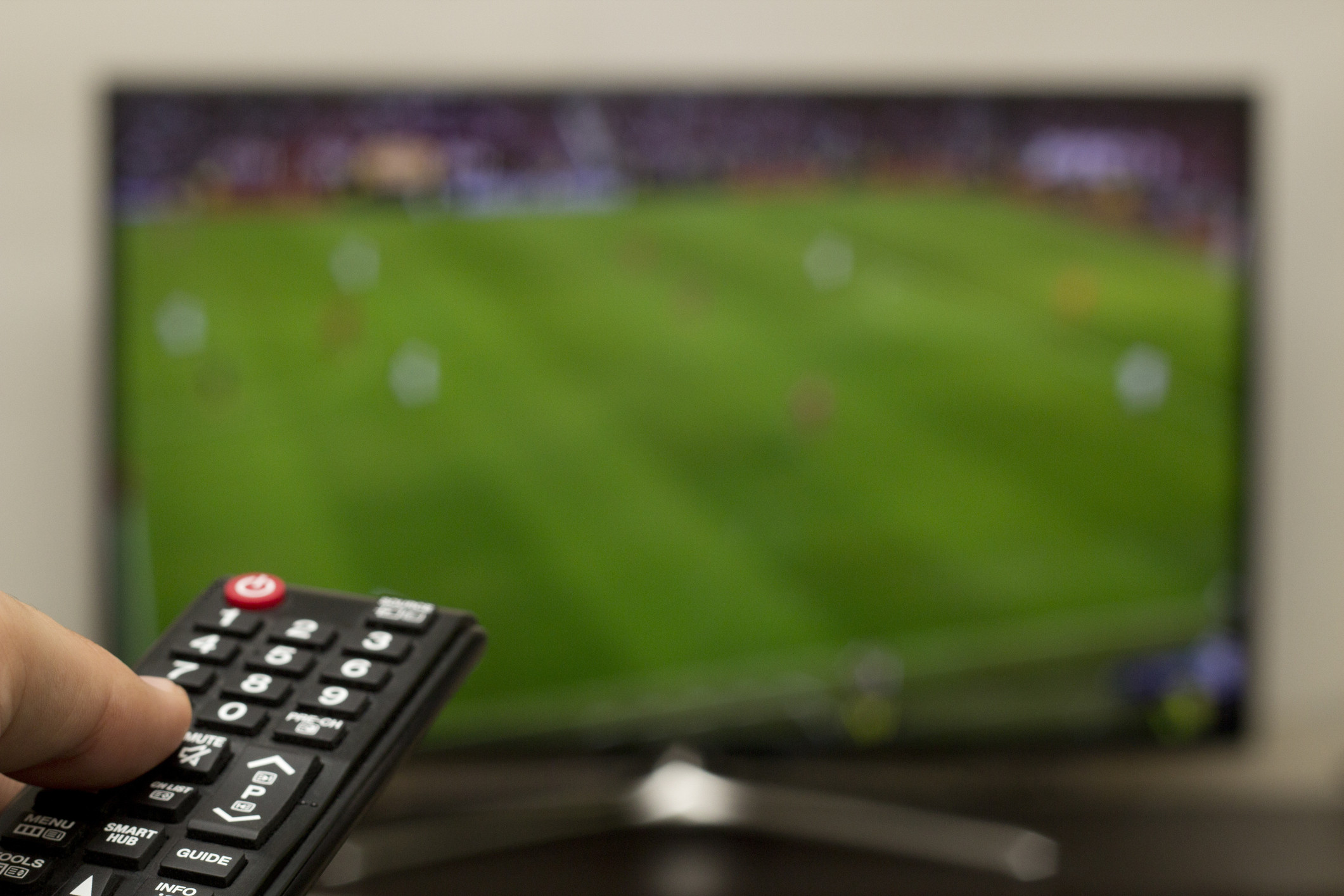
Can watching sports be bad for your health?
Can watching sports -- not just the rough and tumble of playing them -- be harmful to your health? Whether you're at a live event or clicking through channels, it may be riskier than you think when weather, stress, and racing heart rates are factored in. Here's a game day plan that can help.

Icy fingers and toes: Poor circulation or Raynaud's phenomenon?
Some people have poor circulation, but if your fingers pale and go numb when exposed to quick changes in temperature, it could be Raynaud's phenomenon, a different kind of circulation problem. Generally, avoiding sudden exposure to cold and other factors that cause blood vessels to constrict, and being prepared with gloves and extra layers of clothing, helps.

A fresh look at risks for developing young-onset dementia
Young-onset dementia, which occurs in people younger than age 65, is uncommon. A new study has identified 15 factors linked to a higher risk of young-onset dementia.
Naturally gluten-free foods
Harvard study: Healthier fats linked to longer life after prostate cancer diagnosis
Shingrix shingles vaccine linked with lower heart disease risks
Estrogen-only hormone therapy tied to lower dementia risk
Should you have a hysterectomy?
Stair climbing may significantly lower cardiovascular risks
Why do I sweat so much?
Walking pneumonia: The "mild" illness that can still pack a punch
What causes knee pain: How doctors make a diagnosis
Where you carry excess weight matters in predicting heart disease risk
Free Healthbeat Signup
Get the latest in health news delivered to your inbox!
Sign Up
