

Naturally gluten-free foods

Harvard study: Healthier fats linked to longer life after prostate cancer diagnosis

Shingrix shingles vaccine linked with lower heart disease risks

Estrogen-only hormone therapy tied to lower dementia risk

Should you have a hysterectomy?

Stair climbing may significantly lower cardiovascular risks

Why do I sweat so much?

Walking pneumonia: The "mild" illness that can still pack a punch

What causes knee pain: How doctors make a diagnosis

Where you carry excess weight matters in predicting heart disease risk
Cognitive health and memory Archive
Articles

Stay safe playing pickleball
Pickleball continues to soar in popularity, especially among older adults. Unfortunately, more playing can lead to court-related injuries, the most common being strains and sprains in the legs and knees, and wrist sprains and fractures from falls. Pickleball injury prevention is threefold: performing lower-body strength exercises, such as lunges, squats, and heel raises, at least twice a week; doing a dynamic warm-up before playing; and working on agility and balance, which can help improve footwork and reduce the risk of falling.
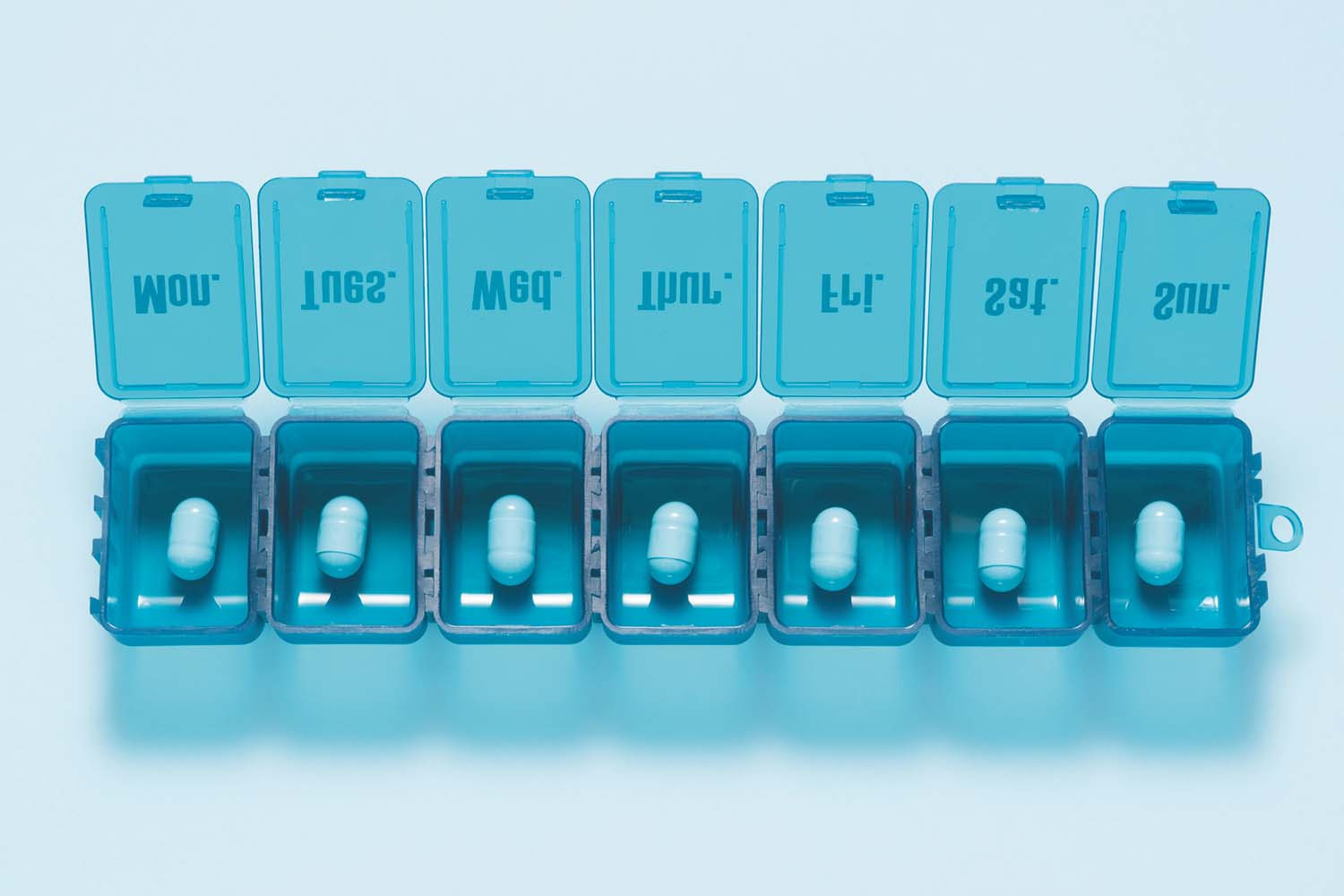
How can I reduce my number of daily medications?
Many people end up taking a long list of medications when they might be able to safely reduce the number of daily pills. Reviewing medications with their specialists and primary care doctor can help determine which drugs may be reduced or perhaps discontinued.

Curcumin supplements might ease meal-related discomfort
A small randomized trial in 2023 found that taking two 250-mg capsules of curcumin four times a day was as effective at relieving dyspepsia symptoms as taking one daily 20-mg dose of the heartburn medication omeprazole (Prilosec, Zegerid).

Stopping a medication? Check first, quit safer
Abruptly stopping a medication can be risky and even life-threatening. For example, suddenly discontinuing certain drugs can cause a rebound effect, meaning that symptoms or problems that were controlled—such as high blood pressure or heartburn—can return with a vengeance. Stopping some medications, such as prescription painkillers or antidepressants, might result in withdrawal symptoms. Before quitting any drug cold turkey, it's important to consult with a doctor to make sure that it's safe.

How to stay in your own home longer
Two kinds of services help people remain in their homes longer. Home health care is covered by Medicare and brings professional nurses and therapists into the home to provide treatment. It's intended for people who are recovering from illness, injury, or surgery. Private duty care is not covered by Medicare. It provides the day-to-day help most people need for the activities of daily living, such as housekeeping and meal preparation. Care is available for a few hours or 24 hours per day.

Veins are a key player in the body: Here's why
Thousands of miles of veins throughout the body bring blood to the lungs to pick up oxygen and nutrients, and get rid of carbon dioxide before returning to the heart to be pumped out again. How do veins work, what problems can occur, and how can you keep these vital blood vessels healthy?

What to do when driving skills decline
Many people experience a decline in their driving skills as they age. While some choose to stop driving, others resist. Whether it's you or a loved one, planning ahead can help you tackle fixable issues, make transitions easier, and avoid harming yourself or someone else.

A tough question: When should an older driver stop driving?
Navigating whether or when an older person should limit or stop driving is tricky. Whether these concerns are about a family member or yourself, it's helpful to be aware of red flags and to understand how driving abilities –– and risk for motor vehicle accidents –– change with age.

Can tongue scraping improve bad breath?
Scraping the tongue with a special tool or a spoon can improve bad breath by removing the white or yellowish coating on the tongue consisting of food debris, dead skin cells, and bacteria.

Health-savvy house hunting
When people house-hunt in their 50s and 60s, they should consider home features that enable them to age in place if they become less mobile. Such architectural details include fewer or no stairs, bright lighting, an open layout, cabinets that aren't too high, and bathrooms with step-in showers. Outside amenities are also important, including nearby health care facilities, stores, pharmacies, and parks. A vibrant community can expand people's social options and provide proximity to neighbors to call if needed.
Naturally gluten-free foods
Harvard study: Healthier fats linked to longer life after prostate cancer diagnosis
Shingrix shingles vaccine linked with lower heart disease risks
Estrogen-only hormone therapy tied to lower dementia risk
Should you have a hysterectomy?
Stair climbing may significantly lower cardiovascular risks
Why do I sweat so much?
Walking pneumonia: The "mild" illness that can still pack a punch
What causes knee pain: How doctors make a diagnosis
Where you carry excess weight matters in predicting heart disease risk
Free Healthbeat Signup
Get the latest in health news delivered to your inbox!
Sign Up
