

Naturally gluten-free foods

Harvard study: Healthier fats linked to longer life after prostate cancer diagnosis

Shingrix shingles vaccine linked with lower heart disease risks

Estrogen-only hormone therapy tied to lower dementia risk
Should you have a hysterectomy?

Stair climbing may significantly lower cardiovascular risks
Why do I sweat so much?

Walking pneumonia: The "mild" illness that can still pack a punch

What causes knee pain: How doctors make a diagnosis
Where you carry excess weight matters in predicting heart disease risk
Cognitive health and memory Archive
Articles

Injuries and blood thinners: How to stop bleeding
Taking a blood thinner helps protect people at risk for dangerous blood clots that can lead to life-threatening conditions, such as a stroke or heart attack. But the medications increase the risk for uncontrolled bleeding. People taking the drugs should learn what to do in case bleeding occurs. For minor injuries, it's important to apply extra pressure until bleeding stops. For serious injuries, one should call 911 and apply as much pressure as possible to the wound until help arrives. People who take blood thinners and experience even minor injury from a fall or accident should automatically go to urgent care or the emergency department to get checked out, even if there is no apparent bleeding or trauma is observed.

Large study finds the sweet spot for daily step goals
In a 2023 review of 17 studies that included about 227,000 people, those who took at least 3,900 steps per day had reduced risks of dying young from any cause. Even taking about 2,300 steps per day compared to fewer daily steps was tied to reduced risks of dying prematurely from cardiovascular disease.

Insider tips for a smooth recovery from cataract surgery
Early planning can help people recover well from cataract surgery. That planning can include reviewing post-procedure instructions in advance; investigating whether a simplified eye drops regimen is available and will be covered by insurance; learning the right way to use eye drops, and teaching a loved one to help with their application if necessary; and preparing to take a break from certain physical activities, such as bending over, lifting objects that are 10 pounds or heavier, cleaning, vacuuming, or doing laundry.
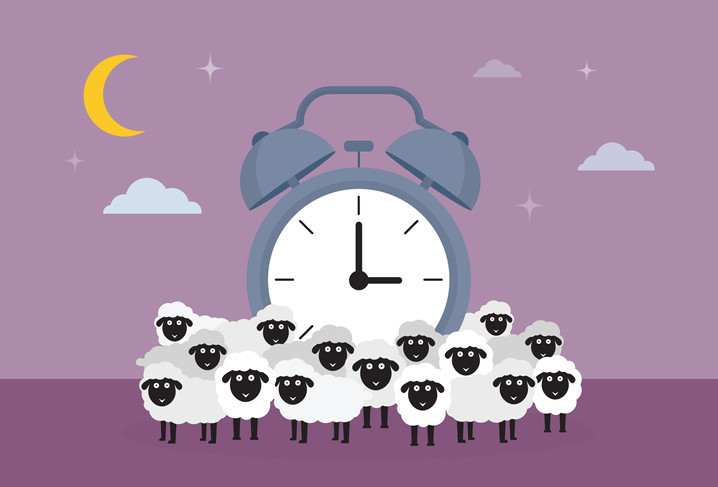
How much sleep do you actually need?
Just how many hours of sleep are enough for you? The answer varies and it might be better to track sleep quality than focus on the number of hours you log each night.

Kidneys, eyes, ears, and more: Why do we have a spare?
The human body has excess capacity — that is, our organs have more reserve than most of us will ever need. Why are we built with this natural redundancy? And which body parts can safely fail or be removed without impairing health?


Baby, it's cold inside
Some older adults feel cold frequently. This may result from age-related physical changes or an underlying condition. Examples of underlying conditions that might make a person feel cold include anemia, an underactive thyroid, diabetic neuropathy, peripheral artery disease, or Raynaud's phenomenon. People who experience coldness that interferes with their daily activities or sleep should talk to a doctor about it.

Why your gums are so important to your health
Periodontal disease, the leading cause of adult tooth loss, may increase the risk of diabetes, heart disease, and dementia.

Rare and often aggressive, Merkel cell cancer is best caught early
Merkel cell cancer is a rare form of skin cancer that often spreads aggressively to other areas of the body. Here's what to know about it, including who is more likely to get it and how you can take steps to help prevent it.
Naturally gluten-free foods
Harvard study: Healthier fats linked to longer life after prostate cancer diagnosis
Shingrix shingles vaccine linked with lower heart disease risks
Estrogen-only hormone therapy tied to lower dementia risk
Should you have a hysterectomy?
Stair climbing may significantly lower cardiovascular risks
Why do I sweat so much?
Walking pneumonia: The "mild" illness that can still pack a punch
What causes knee pain: How doctors make a diagnosis
Where you carry excess weight matters in predicting heart disease risk
Free Healthbeat Signup
Get the latest in health news delivered to your inbox!
Sign Up
