

Estrogen-only hormone therapy tied to lower dementia risk

Should you have a hysterectomy?

Stair climbing may significantly lower cardiovascular risks

Why do I sweat so much?

Walking pneumonia: The "mild" illness that can still pack a punch

Tai chi walking: What is it and does it work?

What causes knee pain: How doctors make a diagnosis
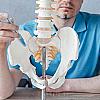
Sacroiliac joint pain: Causes, symptoms, and exercises that help

Where you carry excess weight matters in predicting heart disease risk

Study: At-home colorectal cancer screening may significantly cut colon cancer deaths
Cognitive health and memory Archive
Articles

Harvard study pegs the worst ultra-processed foods for your heart
A 2024 study of more than 200,000 adults, combined with findings from 19 other studies (for a total of 1.25 million people), tied eating ultra-processed foods-particularly sugary drinks and processed meats-to an increased risk for heart disease.

Resilience tied to a longer life
A 2024 study of 10,000 people (average age 67) who answered questions about resilience every other year for 12 years found that people with more resilience were much less likely to die in the next decade, compared with people with less resilience.

What's the best self-fitting strategy for over-the-counter hearing aids?
A small randomized trial in 2024 found that both self-adjustment and in-situ audiometry were effective strategies to match self-fitting hearing aids to personal hearing needs. However, self-adjustment devices had the best satisfaction rates and consistent use.

How to ask embarrassing medical questions
Sometimes asking certain questions at the doctor's office can be embarrassing, especially if the question involves gut problems or sexual dysfunction. To cope, it might help to speak with a doctor privately in person; to communicate with the doctor on the phone or via a patient portal; to see a specialist; to write down questions and hand them to the doctor; or to describe a problem in a professional, matter-of-fact way, using medical terms (such as "stool" or "bowel movement" instead of "poop").

Try this: Wash up
Keeping hands clean is a simple way to protect against from colds and flu. Proper handwashing involves using plenty of soap, lukewarm water and taking at least 20 seconds to clean the back of hands, between the fingers, and around the nails.

Letting the air out
Belching is a natural bodily reaction that serves as a protective mechanism against the stomach getting overinflated from swallowing too much air. Eating and drinking too fast and consuming carbonated beverages can cause excess air intake, so addressing these issues can help reduce excessive belching. Seek medical care if belching becomes frequent and causes discomfort, as it could be a sign of a digestive disorder.

Yoga and similar exercises can improve incontinence in older women
A 2024 study found that older women with urinary incontinence experienced significant improvements in symptoms after engaging in low-impact yoga or stretching and strengthening exercises three times a week for three months.

When seizures strike
About three million American adults have epilepsy, which is marked by recurring seizures. But far more people will have a seizure that strikes for another reason. Seizure triggers include high fever, head injury, extreme lack of sleep, blood sugar fluctuations, alcohol or drug misuse, certain medications, brain infections, stroke, and eclampsia. People can help someone having a seizure by moving them away from hazards, preventing choking, and tracking details. Most seizures are not a medical emergency.

MIND diet may slow cognitive decline
A 2024 study suggested that closely following the MIND diet, which emphasizes plant-based foods and limited animal products and saturated fats, may slow cognitive decline compared to other eating patterns.

Winter skin woes
Cold weather can not only lead to dry skin, but also cause or worsen other skin conditions such as eczema, psoriasis, rosacea, and seborrheic dermatitis. Frosty temperatures and dry air can break down the skin barrier, which contains substances that help seal in moisture. People can ward off or ease winter skin problems by applying creams and ointments, coating cracked skin areas with petroleum jelly, using a humidifier, taking lukewarm showers no more than once a day, and using moisturizing soaps and liquid body cleansers.
Estrogen-only hormone therapy tied to lower dementia risk
Should you have a hysterectomy?
Stair climbing may significantly lower cardiovascular risks
Why do I sweat so much?
Walking pneumonia: The "mild" illness that can still pack a punch
Tai chi walking: What is it and does it work?
What causes knee pain: How doctors make a diagnosis
Sacroiliac joint pain: Causes, symptoms, and exercises that help
Where you carry excess weight matters in predicting heart disease risk
Study: At-home colorectal cancer screening may significantly cut colon cancer deaths
Free Healthbeat Signup
Get the latest in health news delivered to your inbox!
Sign Up
