

Estrogen-only hormone therapy tied to lower dementia risk

Should you have a hysterectomy?

Stair climbing may significantly lower cardiovascular risks

Why do I sweat so much?

Walking pneumonia: The "mild" illness that can still pack a punch

Tai chi walking: What is it and does it work?

What causes knee pain: How doctors make a diagnosis
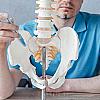
Sacroiliac joint pain: Causes, symptoms, and exercises that help

Where you carry excess weight matters in predicting heart disease risk

Study: At-home colorectal cancer screening may significantly cut colon cancer deaths
Cognitive health and memory Archive
Articles

Does drinking tea really help health?
Scientists can't say for sure yet if tea is good for health. However, the overall evidence on tea consumption indicates a potential benefit. Drinking tea is linked to reduced risks for heart disease, high blood pressure, stroke, diabetes, dementia, stress, and early death. The health benefits of tea come with drinking two to four daily cups of green, black, or oolong tea. Other types of tea, such as the fermented tea known as pu-erh, might also be good for health, though the supporting evidence is more limited.

Fresh ideas to improve health habits
When New Year's resolutions aren't working, other strategies can help improve health habits. For example, people can set February goals instead of January goals, focusing on small changes in diet, exercise, or stress management. Another idea is including friends for added motivation and support, or working with an expert such as a personal trainer or dietitian. It might also help to follow eco-friendly habits that improve health, such as driving less and walking or cycling more and adopting a plant-based diet.

Are you taking too many medications?
Many people need to take multiple medications for health and symptom control, but it requires extra attention to prevent risks for drug interactions, dosage errors, and other problems. Several strategies can help, such as learning the names of pills, what they do, and why they're necessary; writing down the day, time, and dose of each drug; using organization tools such as pillboxes and alarms; and scheduling a medication review with a doctor or pharmacist every 12 months, so that unnecessary pills-such as those no longer needed-can be omitted.

White-coat hypertension: A cause for concern?
White-coat hypertension refers to blood pressure that's high only when measured in a medical setting. It's defined as a reading in the doctor's office of greater than 130/80 (but less than 160/100) and an average daytime blood pressure reading of less than 130/80. If home monitoring reveals mostly normal readings, treatment may not be needed. But intermittent blood pressure spikes might still damage the heart.


Alcohol and your health: Risks, benefits, and controversies
For millions of people, alcohol is a regular part of their lives. But there are many downsides to drinking - some familiar, others less well appreciated. And concerns about the risks of even moderate drinking are on the rise.


Estrogen-only hormone therapy tied to lower dementia risk
Should you have a hysterectomy?
Stair climbing may significantly lower cardiovascular risks
Why do I sweat so much?
Walking pneumonia: The "mild" illness that can still pack a punch
Tai chi walking: What is it and does it work?
What causes knee pain: How doctors make a diagnosis
Sacroiliac joint pain: Causes, symptoms, and exercises that help
Where you carry excess weight matters in predicting heart disease risk
Study: At-home colorectal cancer screening may significantly cut colon cancer deaths
Free Healthbeat Signup
Get the latest in health news delivered to your inbox!
Sign Up
