
Fatty liver disease: Should you be tested?

Weight-loss drug may lower risk of heart attacks and infections

Testosterone therapy without evidence of deficiency may boost heart risk

Even a little exercise linked with lower stroke risk in people with afib

Antihistamines may not offer meaningful relief from eczema symptoms

What to eat on the DASH diet

Tricep workouts you can do at home

FDA approves first mRNA-based flu vaccine

Migraine: How it's diagnosed and what that means

Mindfulness practices to reduce stress and improve focus
Chronic pain Archive
Articles
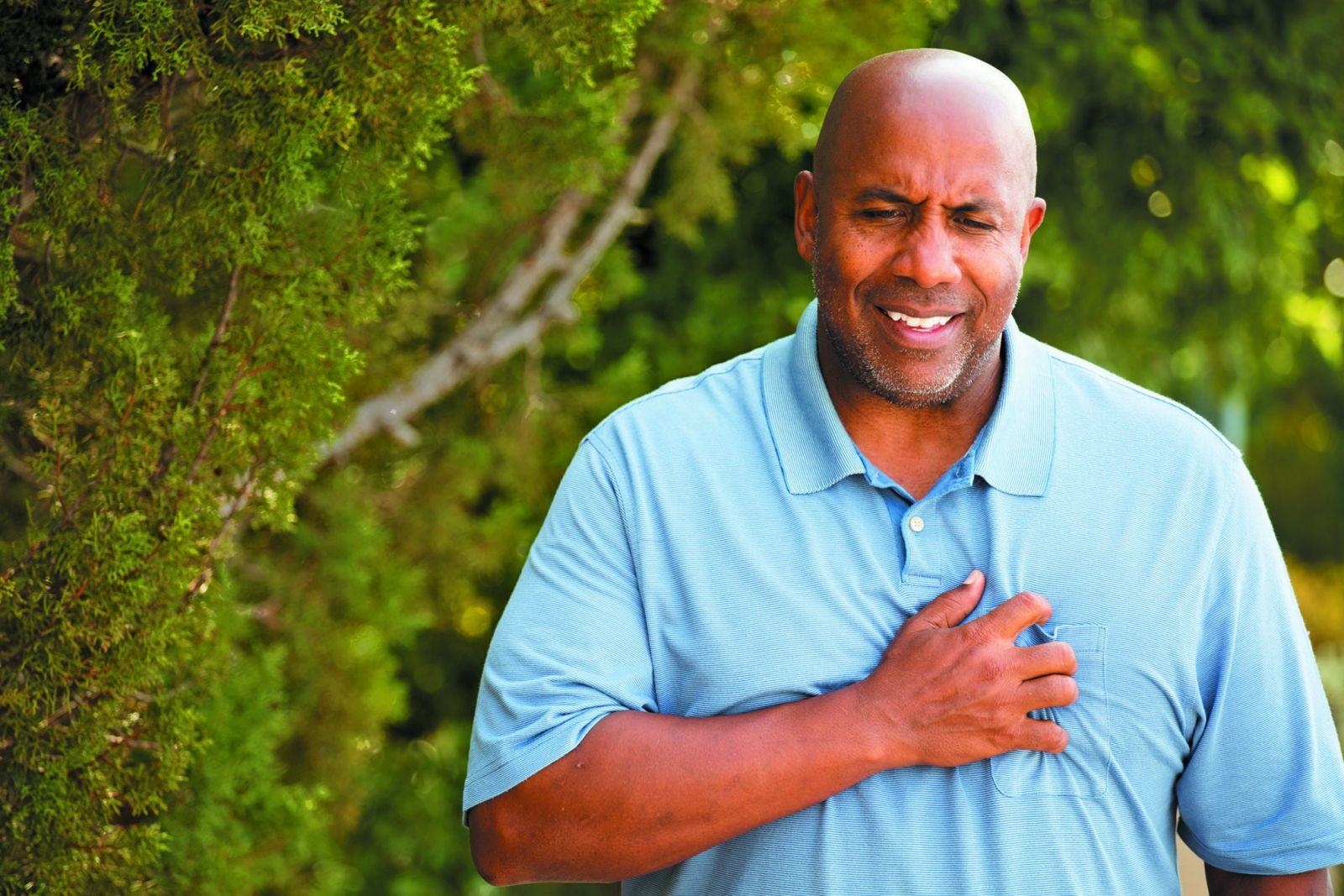
When heart attacks go unrecognized
A high pain tolerance may account for some "silent" heart attacks. But failing to recognize atypical symptoms is a more likely explanation.
Image: © digitalskillet/Getty Images
Nearly half of people who have a heart attack don't realize it at the time. These so-called silent heart attacks are only diagnosed after the event, when a recording of the heart's electrical activity (an electrocardiogram, or ECG) or another test reveals evidence of damage to the heart.
What's behind this surprising phenomenon? One explanation may be a higher-than-average tolerance for pain, as a recent study suggests (see "Does a high pain tolerance mask heart attack symptoms?"). Other people mistake their symptoms as indigestion or muscle pain. Still others may feel pain, but in parts of their upper body other than the center of the chest.

What to do about tennis elbow
Tennis elbow is the common term for lateral epicondylitis, an inflammatory condition of the tendon that connects the extensor muscles of the lower arm to a bony prominence on the outside of the elbow called the lateral epicondyle. The condition causes pain at the point where the tendon attaches to the epicondyle. The pain may radiate to the forearm and wrist, and in severe cases, grip strength may lessen. It can become difficult to perform simple actions like lifting a cup, turning a key, or shaking hands.
As many as half of all people who play racket sports have the condition, but most people who have tennis elbow didn't acquire it by playing tennis, squash, or racquetball. It can result from any activity that involves twisting or gripping motions in which the forearm muscles are repeatedly contracted against resistance, such as pruning bushes or pulling weeds, using a screwdriver, or playing a violin. Tennis elbow is an occupational hazard for professional gardeners, dentists, and carpenters.

Breast pain: Not just a premenopausal complaint
Breast pain after menopause can come in many forms
Menopause has come and gone. Why do I still have breast pain?
In most cases, breast pain is a by-product of reproductive life: Like breast swelling, it waxes and wanes during the menstrual cycle, and it's one of the first symptoms of pregnancy. Many women expect breast pain to go away after menopause. When it doesn't, they may fear they have breast cancer. Fortunately, breast pain is rarely a symptom of cancer, regardless of age. Still, that possibility should be considered, along with a number of noncancerous conditions that affect the breasts.


What's that chest pain?
Sometimes it's hard to tell the difference between a heart attack, heartburn, and lung problems.
Image: © PeopleImages/Getty Images
Many kinds of health problems can cause chest discomfort, with symptoms so intense that you rush to the hospital. "I see older adults with chest pain or something related to it every time I work in the emergency department," says Dr. Kei Ouchi, an emergency medicine physician at Harvard-affiliated Brigham and Women's Hospital.
The big fear
You may worry that chest pain is due to a heart attack, which occurs when blood flow to the heart is blocked, typically by a blood clot and narrowed arteries. Classic symptoms include pressure or squeezing in the chest, lightheadedness, and pain in the shoulder, arm, neck, jaw, or back.

Easing the ache
Osteoarthritis pain can be debilitating. Strategies can help get you moving again.
Pain from osteoarthritis is more than just a nuisance. Knee pain, in particular, can not only keep people from exercising, but also have a chilling effect on their ability to participate in social activities, especially those that involve walking or traveling, says Elena Losina, the Robert W. Lovett Professor of Orthopedic Surgery at Harvard Medical School and co-director of the Orthopaedic and Arthritis Center for Outcomes Research at Brigham and Women's Hospital.
"In fact, the quality of life of a person with persistent pain due to knee osteoarthritis is similar to quality of life in women with metastatic breast cancer controlled by therapy," she says.

How can I treat painful night leg cramps?
On call
Q. I occasionally get an excruciating leg cramp that wakes me from sleep. What causes leg cramps, and how can I prevent them?
A. Although nocturnal leg cramps can strike people at any time of life, they become more frequent with age. Among people older than age 50, about half report having leg cramps, a third say they are awakened at night by them, and 15% report having cramps about once per week.
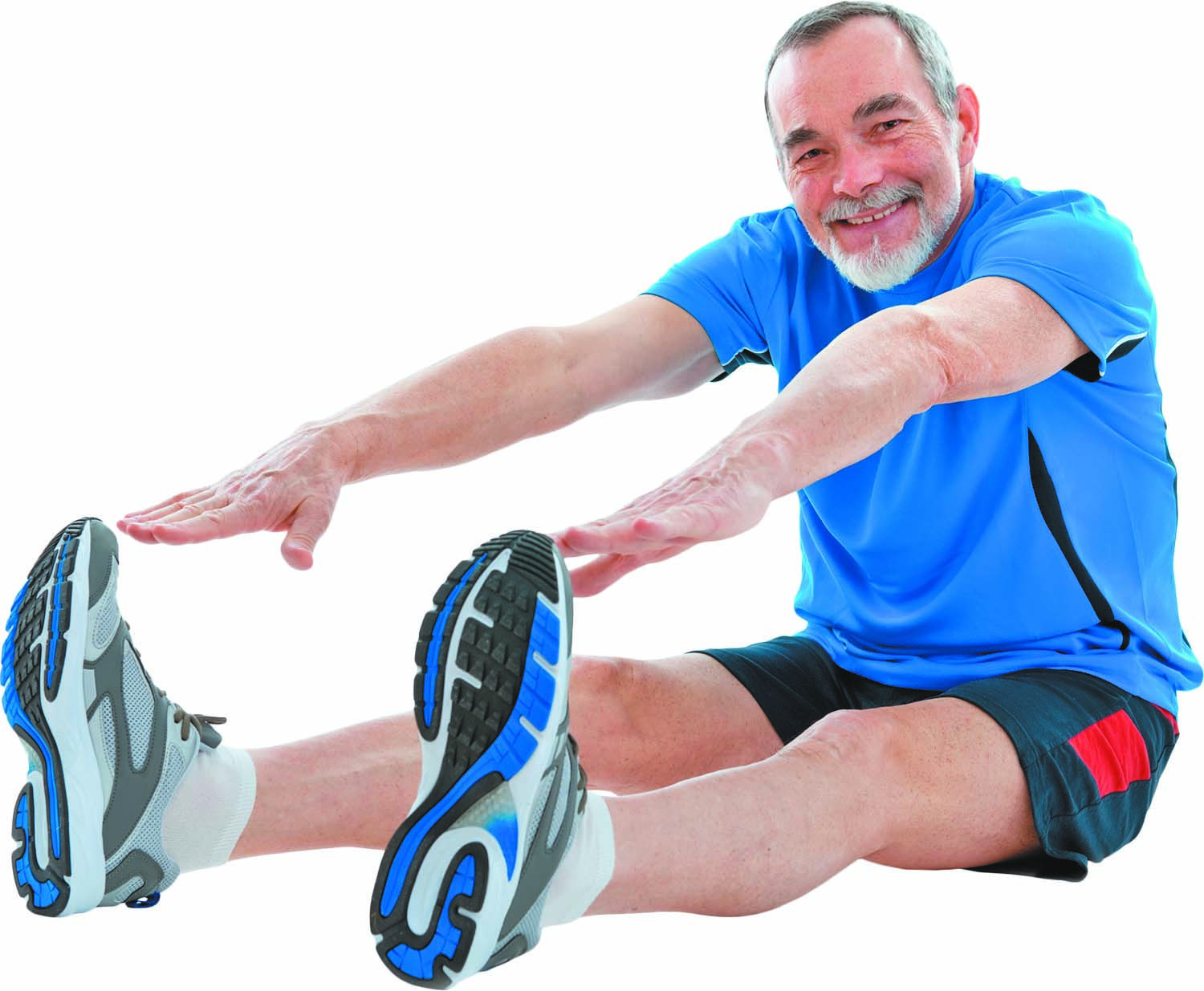
A plan for easy stretching
Stretching becomes crucial as you age. Here is a quick routine that addresses the major tight spots.
Stretching is much like flossing. You know it's good for your health, but for whatever reason, you may not always make time for it.
"Most people know they need to stretch more, but find it burdensome or are not sure what to do," says Urvashi Chogle, a physical therapist at Harvard-affiliated Spaulding Rehabilitation Network.


Fatty liver disease: Should you be tested?
Weight-loss drug may lower risk of heart attacks and infections
Testosterone therapy without evidence of deficiency may boost heart risk
Even a little exercise linked with lower stroke risk in people with afib
Antihistamines may not offer meaningful relief from eczema symptoms
What to eat on the DASH diet
Tricep workouts you can do at home
FDA approves first mRNA-based flu vaccine
Migraine: How it's diagnosed and what that means
Mindfulness practices to reduce stress and improve focus
Free Healthbeat Signup
Get the latest in health news delivered to your inbox!
Sign Up
