

Fatty liver disease: Should you be tested?

Weight-loss drug may lower risk of heart attacks and infections

Testosterone therapy without evidence of deficiency may boost heart risk

Even a little exercise linked with lower stroke risk in people with afib

Antihistamines may not offer meaningful relief from eczema symptoms

What to eat on the DASH diet

Tricep workouts you can do at home

FDA approves first mRNA-based flu vaccine

Migraine: How it's diagnosed and what that means

Mindfulness practices to reduce stress and improve focus
Chronic pain Archive
Articles

Is fibromyalgia real?
Ask the doctors
Q. My friend was recently diagnosed with fibromyalgia, but it seems like she might be imagining her symptoms. Is fibromyalgia a real condition?
A. The short answer to your question is yes. Fibromyalgia is a real condition that affects some four million Americans. It's a chronic pain syndrome that experts believe may be caused by a malfunctioning nervous system. Researchers using magnetic resonance imaging to examine the brains of people with fibromyalgia have found abnormalities in the part of the brain that processes pain signals from the body. It appears that this part of the brain is essentially boosting the intensity of normal pain signals, potentially causing the body to feel pain without a physical cause.

Questions to ask before getting a hip replacement
Bring this article to your doctor appointment.
You've run out of options for hip pain and you're facing a possible hip replacement (see "Anatomy of a hip replacement"). Once your doctor has determined that you're a good candidate for surgery — based on your medical history, images of your hip, steps you've taken to reduce pain (such as weight loss and low-impact exercise programs), and how pain has affected your daily function — you'll need to ask lots of questions.
"This is not a time to be shy. Be aggressive and get answers. The doctor expects that," says Dr. Scott Martin, an associate professor of orthopedic surgery at Harvard Medical School and medical editor of the Harvard Medical School Guide Total Hip Replacement.

Put a song in your heart
Listening to music may offer a range of benefits for cardiovascular health.
Music's capacity to evoke emotion is one reason people love listening to it so much. Whether you want to feel energized and uplifted or calm and relaxed, you can probably conjure a few examples of melodies that put you in your desired frame of mind. As it turns out, those mood-related benefits may extend to your heart.
"The beating of your heart and your fight-or-flight system are regulated by your brain. Once you understand that, it makes sense that listening to music that evokes a certain mood might affect the heart's function," says Dr. Andrew Budson, a lecturer in neurology at Harvard Medical School and chief of cognitive and behavioral neurology at the VA Boston Healthcare System.


Self-care for bursitis
These painful flare-ups can occur suddenly and for no apparent reason. Here's what you can do about them.
Have you ever woken up with a mysterious egg-shaped swelling on your elbow or knee and have no clue what caused it? There is a good chance you have bursitis.
"Bursitis is definitely more common as you get older and just comes with the territory of living a longer and more active life," says Dr. Robert Shmerling, senior faculty editor at Harvard Health Publishing and Corresponding Member of the Faculty of Medicine at Harvard Medical School.

Googling "chest pain" during the COVID-19 pandemic
Research we're watching
Google searches for "chest pain" spiked in March and April of 2020 during the initial sharp rise in COVID-19 infections, according to a new study. The findings suggest that people were attempting to self-diagnose heart attacks — and may explain why fewer people sought treatment for heart attacks in hospitals during the pandemic.
The study relied on Google Trends, a tool that monitors search term queries over time. The authors looked at searches for "chest pain" and five control terms — "toothache," "abdominal pain," "knee pain," "heart attack," and "stroke" — from January 2017 through May 2020. Searches for chest pain (a common symptom of heart attack but not COVID-19) spiked in states with high rates of COVID-19 infection (New York, New Jersey, and Illinois), while searches for other terms stayed steady.

How to build a better core
People looking for new ways to strengthen their core can try walk-and-carry exercises, also known as "loaded carries," where they hold weights like dumbbells or kettlebells while walking. This type of movement teaches how to brace the core, which engages much of the entire core musculature, including your shoulders, back, and hips.

Take a soak for your health
The benefits of tub baths are more than skin deep. Bathing regularly can help ease pain and potentially benefit your heart.
You know that sinking into a warm bath at the end of a long day can help you relax and unwind, but did you know it might also be good for your health? Research shows that using baths as a form of medical therapy, sometimes referred to as balneotherapy (see "Balneotherapy, or bath therapy"), can bring health benefits — among them, easing certain types of chronic pain, helping your skin, and potentially even improving heart health.
Balneotherapy, or bath therapyThe name balneotherapy is derived from the Latin word balneum, or bath. Today, balneotherapy may refer to the use of a typical bath (warm or cold) as a treatment for an illness or condition. However, the term historically and sometimes still refers to mineral baths or mineral-rich mud packs to coat the body. Some medical professionals also consider saunas or steam baths as balneotherapy. |
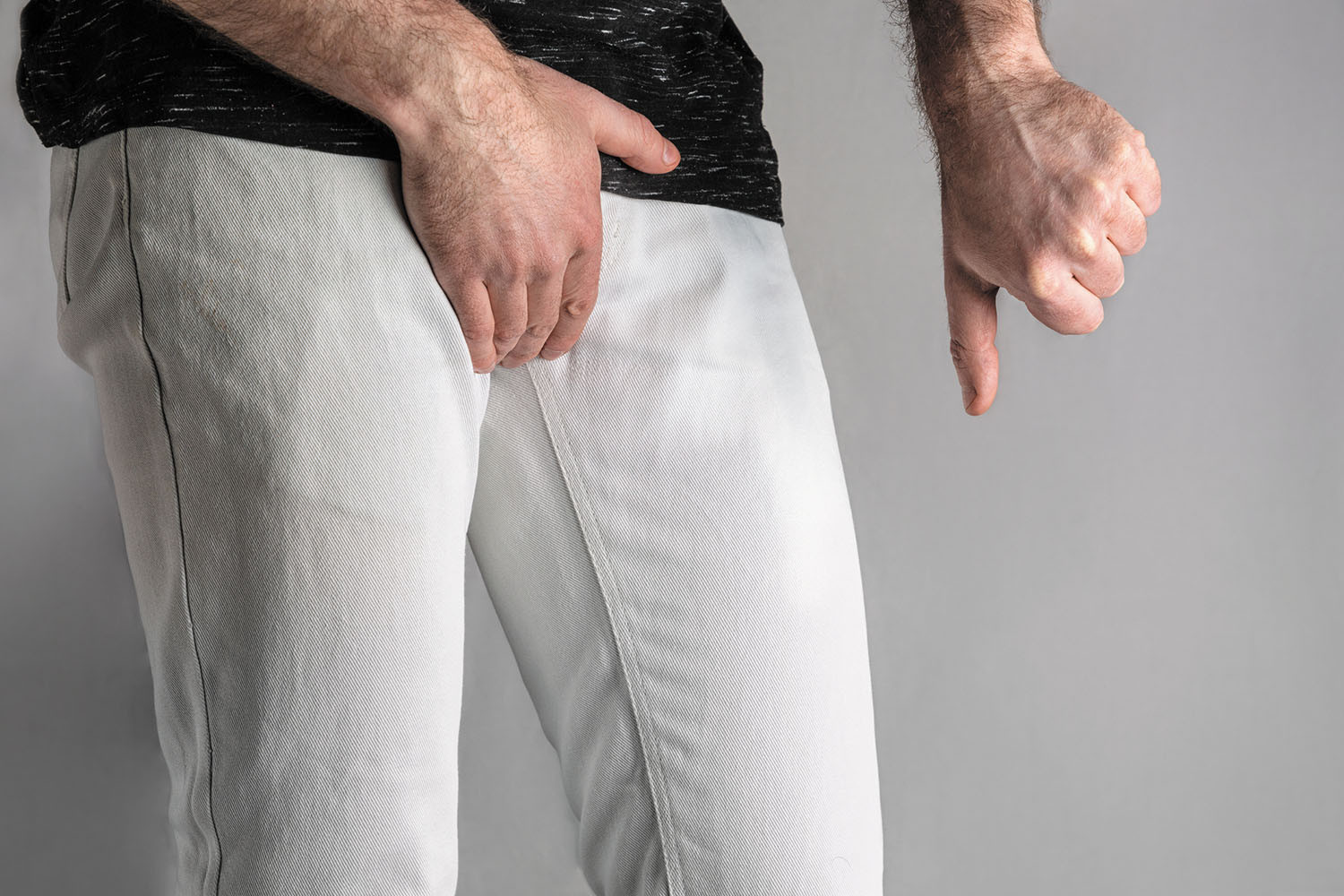
Unlocking the mystery of chronic pelvic pain syndrome
The condition is an all-too-real problem for men, and one of the more difficult to treat.
After age 50, men often have periods of discomfort "down there." It could be a cramping, aching, or throbbing pain in and around your pelvis and genitals. You also may have issues in the bedroom and bathroom. While the problems are real, the cause is often difficult to pinpoint.
It's called chronic pelvic pain syndrome (CPPS) — also known as chronic prostatitis — and it's one of the most puzzling and difficult-to-manage conditions for older men.

Diffuse Pain
We're sorry you have pain!
The word "diffuse" means "widespread" and refers to pain that is more or less all over, or at least in many areas. The goal of this guide is to provide information while awaiting evaluation with your doctor, or for additional information after you have seen him or her. Please keep in mind that this guide is not intended to replace a face-to-face evaluation with your doctor. The diagnoses provided are among the most common that could explain your symptoms, but the list is not exhaustive and there are many other possibilities. In addition, more than one condition may be present at the same time. For example, a person with rheumatoid arthritis could also have tendonitis.
Do you have severe diffuse pain with fever, redness over the skin or joints, marked swelling, inability to use the muscles or joints, or recent significant trauma (a fall, car accident, etc.)?
Fatty liver disease: Should you be tested?
Weight-loss drug may lower risk of heart attacks and infections
Testosterone therapy without evidence of deficiency may boost heart risk
Even a little exercise linked with lower stroke risk in people with afib
Antihistamines may not offer meaningful relief from eczema symptoms
What to eat on the DASH diet
Tricep workouts you can do at home
FDA approves first mRNA-based flu vaccine
Migraine: How it's diagnosed and what that means
Mindfulness practices to reduce stress and improve focus
Free Healthbeat Signup
Get the latest in health news delivered to your inbox!
Sign Up
