

CoQ10: Should you take this popular supplement if you're on a statin?

Microplastics: A hidden health threat?

Oat vs. dairy milk: Nutrition, benefits, and downsides

What is tempeh? Benefits, nutrition, and how to use it

Healing after food poisoning

Children of centenarians may stay healthier and live longer too, study finds

Light exposure at night may raise risk for heart disease

A lumbar belt may help ease low back pain

Whole grains may improve several heart risk factors at once

Signs of pneumonia: Sometimes vague and unexpected
Chronic kidney disease (CKD) Archive
Articles
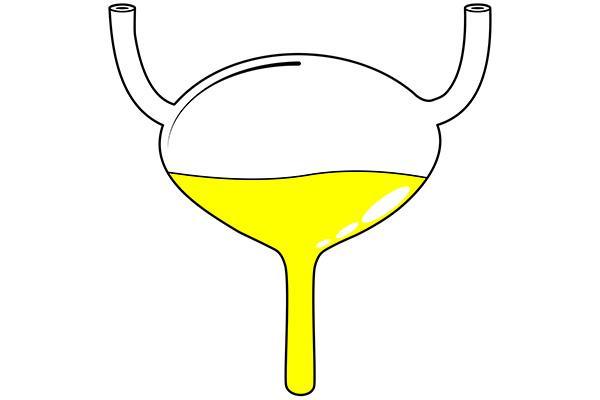
Why is my doctor having me fill out a bladder diary?
A bladder diary is a fundamental tool doctors use to obtain objective information about a person’s urinary symptoms. It can help doctors evaluate problems such as nighttime or frequent urination, urgency, accidental leakage, and production of unusually large or small amounts of urine.
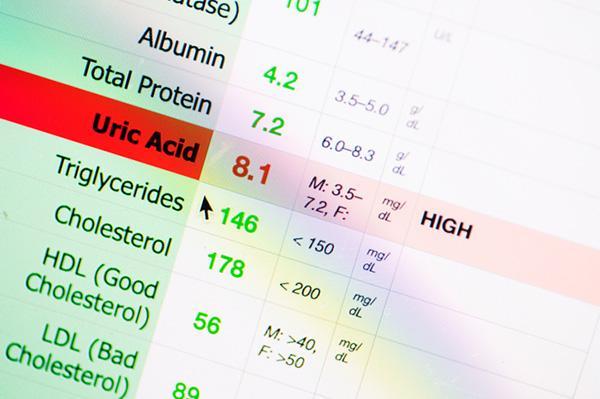
When is treatment needed for high uric acid?
High uric acid doesn’t always mean daily treatment. Several factors, including gout symptoms and kidney health, can help guide the next step.

Which specialist treats a blocked ureter?
Hydronephrosis caused by a kinked ureter involves blocked urine flow, and the right specialist can help determine the next step.

What is causing my low sodium level?
A low sodium result can have several explanations, and the clues often come from your medications, fluid balance, and overall health.
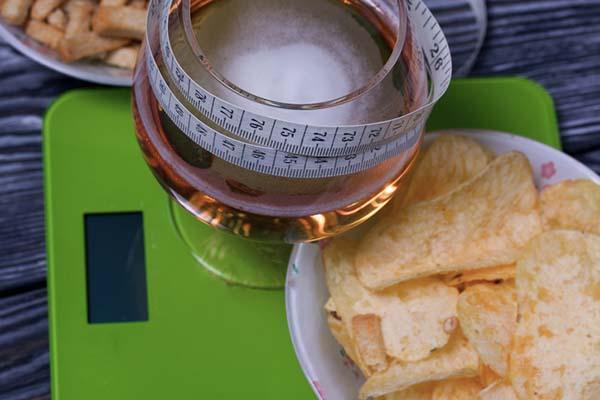
Could your diet be contributing to kidney stones?
Everyday eating and drinking habits may influence kidney stone risk. Explore which foods and beverage choices have the most impact.

Is it safe for a woman to take Flomax to pass kidney stones?
Originally a prostate drug, Flomax is also used off label to ease the passage of fragmented kidney stones in both men and women.
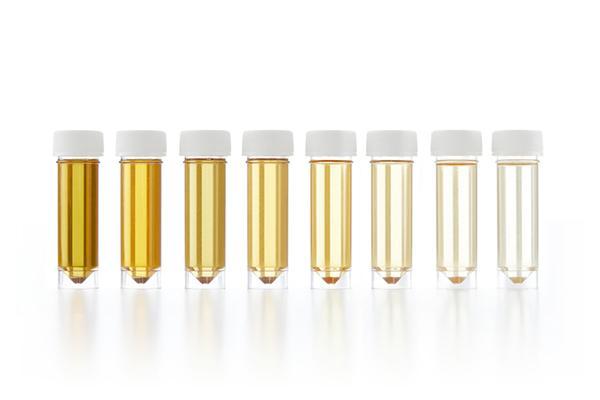
What could be causing my dark, smelly urine?
Urine that is sometimes dark or pungent can reflect dehydration, diet, or something more. Learn which clues signal a need for testing.
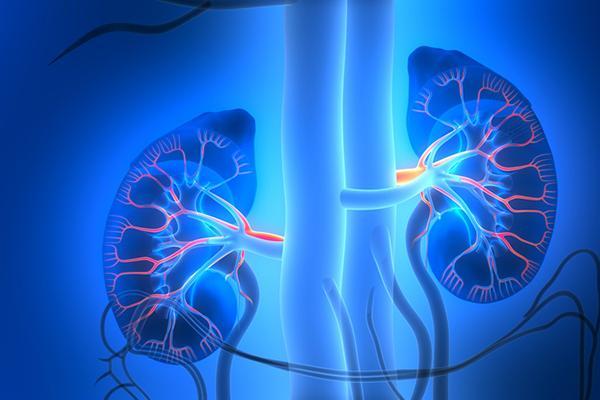
Chronic kidney disease: A hidden threat to your heart
About one in seven adults in the United States has chronic kidney disease. Simple screening tests can detect the problem, which can increase the risk of heart attack, stroke, and heart failure.

Do I need to limit my calcium intake to avoid getting kidney stones?
Calcium is vital for bones, and calcium that you're getting from foods are not a concern. However, calcium supplements can lead to kidney stones.
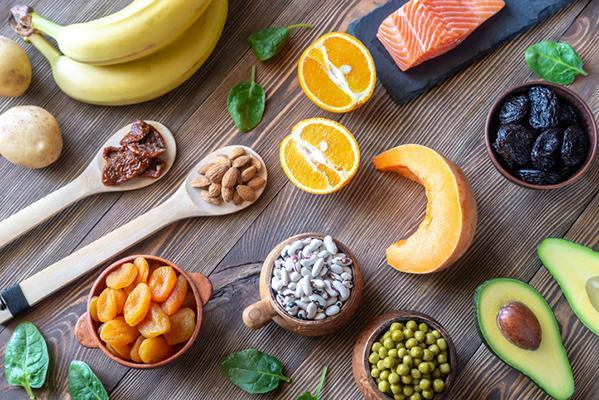
What foods are high in potassium?
Everyday staples like potatoes, beans, or juice can quietly add too much potassium to the diet of someone who's been told to limit their intake. Learn which other foods to limit.
CoQ10: Should you take this popular supplement if you're on a statin?
Microplastics: A hidden health threat?
Oat vs. dairy milk: Nutrition, benefits, and downsides
What is tempeh? Benefits, nutrition, and how to use it
Healing after food poisoning
Children of centenarians may stay healthier and live longer too, study finds
Light exposure at night may raise risk for heart disease
A lumbar belt may help ease low back pain
Whole grains may improve several heart risk factors at once
Signs of pneumonia: Sometimes vague and unexpected
Free Healthbeat Signup
Get the latest in health news delivered to your inbox!
Sign Up
