

Even a little exercise linked with lower stroke risk in people with afib

Testosterone therapy without evidence of deficiency may boost heart risk

Weight-loss drug may lower risk of heart attacks and infections

What to eat on the DASH diet

Migraine: How it's diagnosed and what that means

Tricep workouts you can do at home

Mindfulness practices to reduce stress and improve focus

Antihistamines may not offer meaningful relief from eczema symptoms

Overweight and taking blood pressure medications: Study finds it's a trend that's working

FDA approves first mRNA-based flu vaccine
Cholesterol and lipids Archive
Articles

Wrist-worn activity trackers offer inconsistent heart rate data
Research we're watching
Earlier studies have shown that wrist-worn activity trackers can accurately record the number of steps a wearer takes. However, few studies have determined how well they monitor heart rate.
Researchers at the University of Wisconsin in Madison studied four wrist-worn activity trackers — Basis Peak, Fitbit Surge, Fitbit Charge, and Mio Fuse — to determine the accuracy of their heart rate monitoring in 40 healthy women and men ages 30 to 65. The researchers fitted each participant with four trackers—two on each wrist. Using the trackers as well as an ECG machine, the researchers measured the wearers' heart rates at one-minute intervals for 10 minutes while they were sitting. They then repeated the measurements while the participants walked on a treadmill for 10 minutes. When they compared the readings from the ECGs and the trackers, they found that all of the readings were more consistent when the participants were resting than when they exercised.

Fainting: Frightening, but seldom serious
While frightening, fainting is not always serious, though it’s important to be aware that it may be a sign of an underlying problem with the blood vessels or heart.
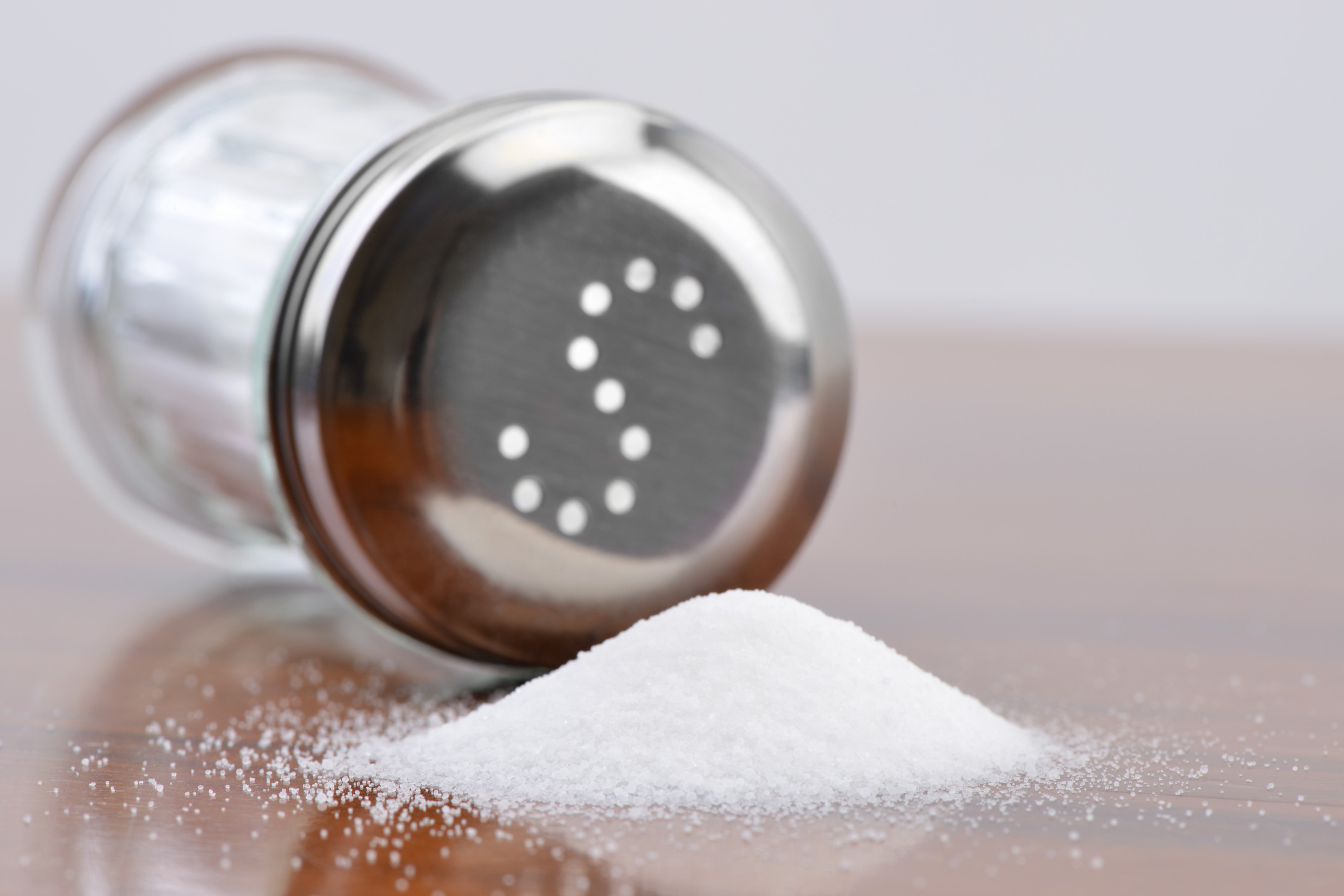


How to stick to a low-salt diet when dining out
Do a little research, follow a few rules, and make polite requests.
Image: © Backyard Production/Thinkstock
Going out for dinner can be a nice way to unwind with family or friends. But if you're watching your salt intake, restaurants aren't always so relaxing. Much of their fare is loaded with sodium, a main component of salt. In fact, some entrees at popular chains contain far more than 2,300 milligrams (mg) of sodium — the recommended limit for an entire day's worth of food (see "Super-salty entree examples").
Limiting sodium is especially important for people with high blood pressure, because excess salt worsens this common condition, leaving you more prone to heart attack and stroke. If you eat out only once a month, you probably needn't worry too much. But Americans tend to eat out far more frequently — about five times a week, on average. So it's worth learning some strategies for staying within your salt budget when you eat away from home.

Is advanced lipoprotein testing useful?
Ask the doctor
Image: © designer491/Thinkstock
Q. I'm a trim, healthy 57-year-old who exercises religiously, six days a week. I take a low-dose statin and my cholesterol numbers are pretty good (total cholesterol is 146, LDL is 77, and HDL is 51). But a recent blood test showed that my lipoprotein subfractions are not ideal: my small LDL and large HDL values are considered "high risk," according to the report I received. What can I do to improve my lipoprotein subfractions, and how important are they in the overall scheme of things?
A. It sounds like you had advanced lipoprotein testing, which is a more detailed and also more expensive version of a standard cholesterol or lipid test. In general, I'm not a fan of this type of testing, because there is no solid evidence that the results are useful in any concrete way or provide information that can improve a person's health. To understand why, a little background on cholesterol and its role in heart disease may be of help.

Recognizing the most common warning signs of a stroke
Three telltale symptoms occur in 75% of all strokes, often in combination. Don't ignore them — even if they're short-lived.
Image: © American Heart/Thinkstock
Every 40 seconds, someone in the United States has a stroke. Also known as "brain attacks," strokes result from an injury to a blood vessel that limits blood flow to part of the brain. Rapid diagnosis and treatment can prevent potentially devastating disability or death — which is why everyone should know the common warning signs of a stroke.
In 2013, the American Stroke Association unveiled a stroke awareness campaign based on the mnemonic FAST. Around that the time, a national survey suggested that 28% of Americans didn't know any stroke symptoms, and nearly half weren't sure what to do if they experienced or witnessed the symptoms of a stroke. But four years later, things seem to be improving.

Power up your heart health
Add strength training to your home workout to boost your cardiovascular fitness.
With age, much of your body's muscle is replaced by fat. By age 75, lean muscle mass drops to just a quarter of your total weight, down from 50% in the young adult years. Some of the effects of this loss are clearly visible — your body changes shape, and you can no longer hoist heavy boxes or sprint to catch a bus. But this shift also carries broader implications for your overall health and chronic disease risk.
Your heart will thank you
Five of the modifiable risk factors for cardiovascular disease — inactivity, high cholesterol, high blood pressure, excess body fat, and diabetes — respond in varying degrees to strength training, says Elissa Huber-Anderson, a physical therapist at Harvard-affiliated Massachusetts General Hospital. "Strength exercises increase muscle mass and burn body fat, thus reducing the risk for obesity. This type of workout also helps manage type 2 diabetes by decreasing abdominal fat and improving blood sugar control," she says. Strength training may also improve blood cholesterol levels and reduce resting blood pressure, which further lowers the risk to your heart.

Do premature heart attacks run in your family?
If so, be extra vigilant about measuring and managing your blood pressure and cholesterol.
Filling out those family history forms at the doctor's office can be tedious. But sometimes, the devil is in those details. Because heart disease is so common, many people check "yes" to the question about whether their father or mother had heart disease. But if your father had a heart attack at age 77, that's likely different than if his heart attack happened when he was only 44.
"If you have any family history of heart disease, that should serve as a keen reminder to pay attention to factors that can raise your risk of a heart attack, such as high cholesterol, high blood pressure, and diabetes," says Dr. Howard Sesso, an epidemiologist with the division of preventive medicine at Harvard-affiliated Brigham and Women's Hospital. But if a parent or sibling had a premature heart attack, that's an even stronger signal to be more proactive in monitoring and lowering your risk, he adds. A premature or early heart attack is one that occurs before age 55 in a man or before age 65 in a woman.
Putting the brakes on a racing heart
A rapid heartbeat can be frightening, but this often-fleeting problem is usually harmless.
Image: © deeepblue/Thinkstock
If you're exercising or feeling very nervous, you expect your heart to beat faster than normal. But what if your heart sometimes starts racing out of the blue, for no apparent reason? You might have supraventricular tachycardia, or SVT. SVT is an umbrella term that covers several different types of rapid heart rhythms, all of which are caused by an electrical glitch in the upper part of the heart.
The most common SVTs are atrial fibrillation — a rapid, chaotic rhythm that increases the chance of having a stroke—and atrial flutter, a fast but usually regular heartbeat. But when cardiologists talk about SVT, they're usually referring to three different, less-common conditions (see "What is supraventricular tachycardia?").
Even a little exercise linked with lower stroke risk in people with afib
Testosterone therapy without evidence of deficiency may boost heart risk
Weight-loss drug may lower risk of heart attacks and infections
What to eat on the DASH diet
Migraine: How it's diagnosed and what that means
Tricep workouts you can do at home
Mindfulness practices to reduce stress and improve focus
Antihistamines may not offer meaningful relief from eczema symptoms
Overweight and taking blood pressure medications: Study finds it's a trend that's working
FDA approves first mRNA-based flu vaccine
Free Healthbeat Signup
Get the latest in health news delivered to your inbox!
Sign Up
