

Even a little exercise linked with lower stroke risk in people with afib

Testosterone therapy without evidence of deficiency may boost heart risk

Weight-loss drug may lower risk of heart attacks and infections

What to eat on the DASH diet

Migraine: How it's diagnosed and what that means

Tricep workouts you can do at home

Mindfulness practices to reduce stress and improve focus

Antihistamines may not offer meaningful relief from eczema symptoms

Overweight and taking blood pressure medications: Study finds it's a trend that's working

FDA approves first mRNA-based flu vaccine
Cholesterol and lipids Archive
Articles
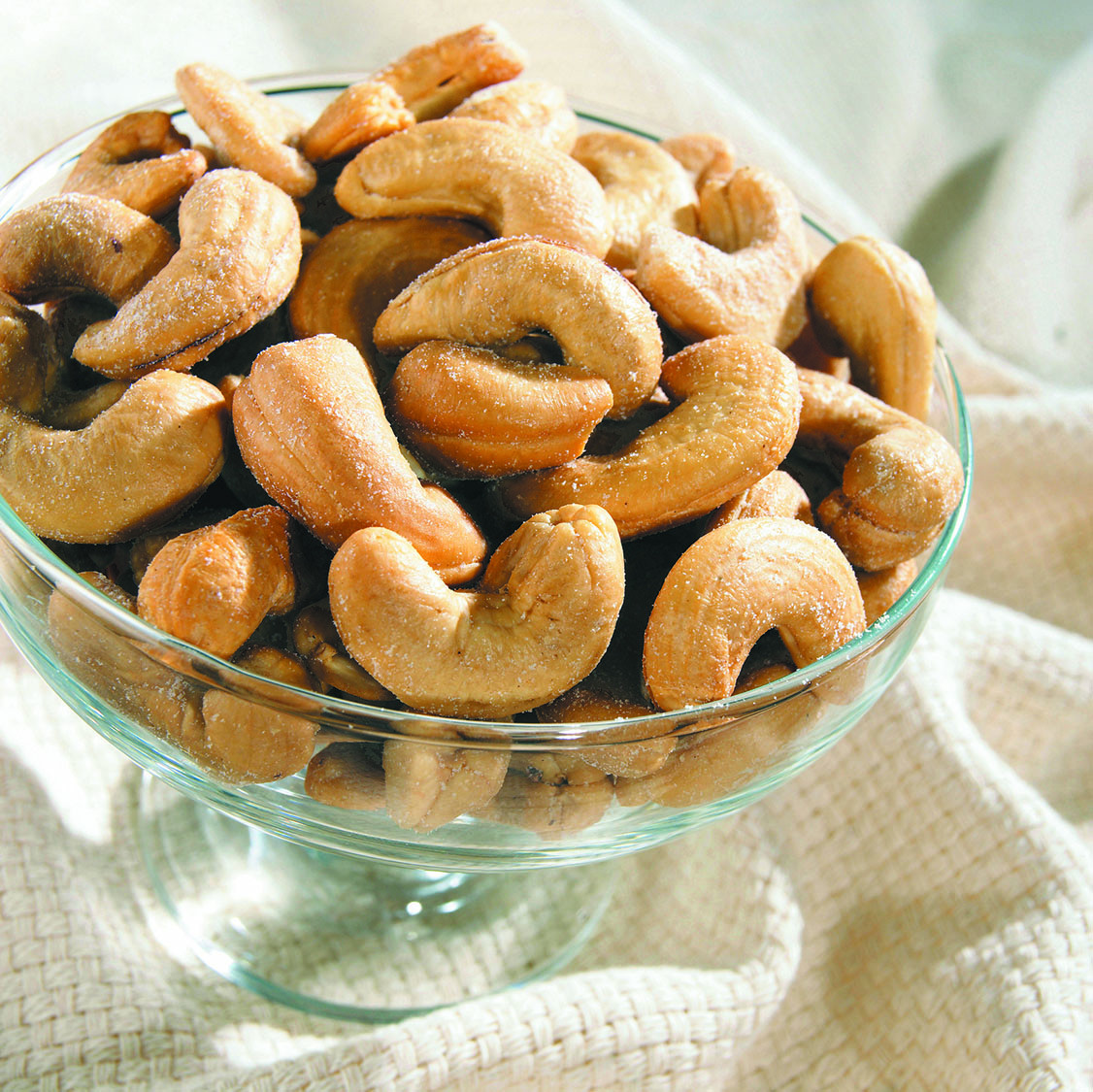
Cashews: A better choice than low-fat chips?
Research we're watching
Image: © Purestock/Thinkstock
If you're craving a crunchy snack, a handful of cashews is a heart-healthy choice, a small study suggests.
Although they're a popular pick in nut mixes, cashews have a bit of a bad rap. Because cashews contain about 20% saturated fat, the FDA omitted them from the qualified health claim suggesting that nuts may lower heart disease risk when eaten as part of a diet low in saturated fats and cholesterol.

As physical activity level rises, blood pressure may drop
Research we're watching
The more physically active you are, the lower your risk of high blood pressure, a study in the April 2017 issue of Hypertension suggests.
Researchers pooled data from 29 studies involving a total of more than 330,000 people, about 20% of whom had high blood pressure. They examined the association between high blood pressure and leisure-time physical activity (walking, dancing, or gardening, for example) as measured by metabolic equivalents (METs).
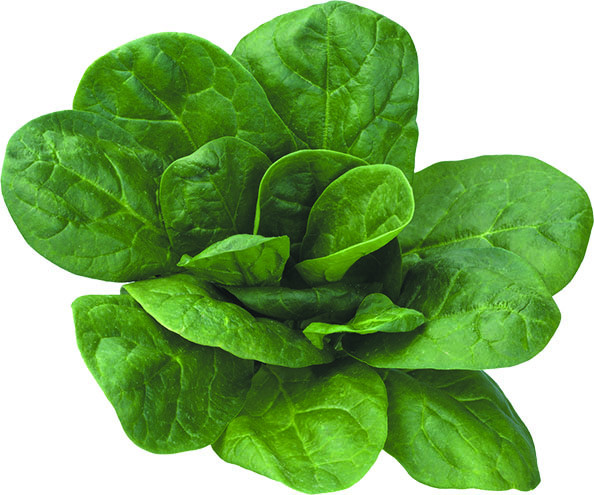
A new spin for spinach: A scaffold for working heart cells
Research we're watching
Image: © Irimglow/Thinkstock
Spinach, like all green vegetables, is full of nutrients that may help prevent heart disease. But one day, this leafy green may also provide a novel way to repair a damaged heart, as described in the May 2017 issue of Biomaterials.
A team of researchers used detergent to dissolve the cells inside a spinach leaf, leaving only the scaffolding of the leaf veins (which resemble blood vessels in the heart). Next, they seeded those veins with human heart stem cells. After five days, the cells spontaneously began to contract — and continued to beat for three weeks.
Of all the flavors in the world, we choose salty — and that’s not good
The average American consumes three times the recommended daily intake of sodium, largely because of salt added to processed and prepared foods. It’s possible to reduce daily sodium intake, but it does require effort and vigilance.


Why middle-age spread is a health threat
Those extra inches around the middle may signal increased fat around abdominal organs and rising health risks.
It's a rare woman over age 50 who has the same waist measurement she had as a teenager. But in the past decade or so, women's waistlines have been expanding regardless of age. A 2014 report from the National Health and Nutrition Examination Survey found that from 1999 to 2012, the average body mass index (BMI) for women age 20 or older held steady. But during the same period, the average female waistline grew slowly and steadily, from 36.2 inches to 37.8 inches. Researchers are still searching for an explanation for this phenomenon, but they do know one thing: increasing waistlines are linked to greater risks for heart disease, diabetes, and osteoporosis.
What's in a waistline?
Regardless of whether your weight has changed over the years, your height is likely to have decreased, the result of declining volume in the intervertebral discs of the spine. As your torso shortens, your abdominal organs have less vertical space to inhabit, so they move horizontally. If you haven't gained weight, an increase of an inch or two around the waist may simply reflect lost height.
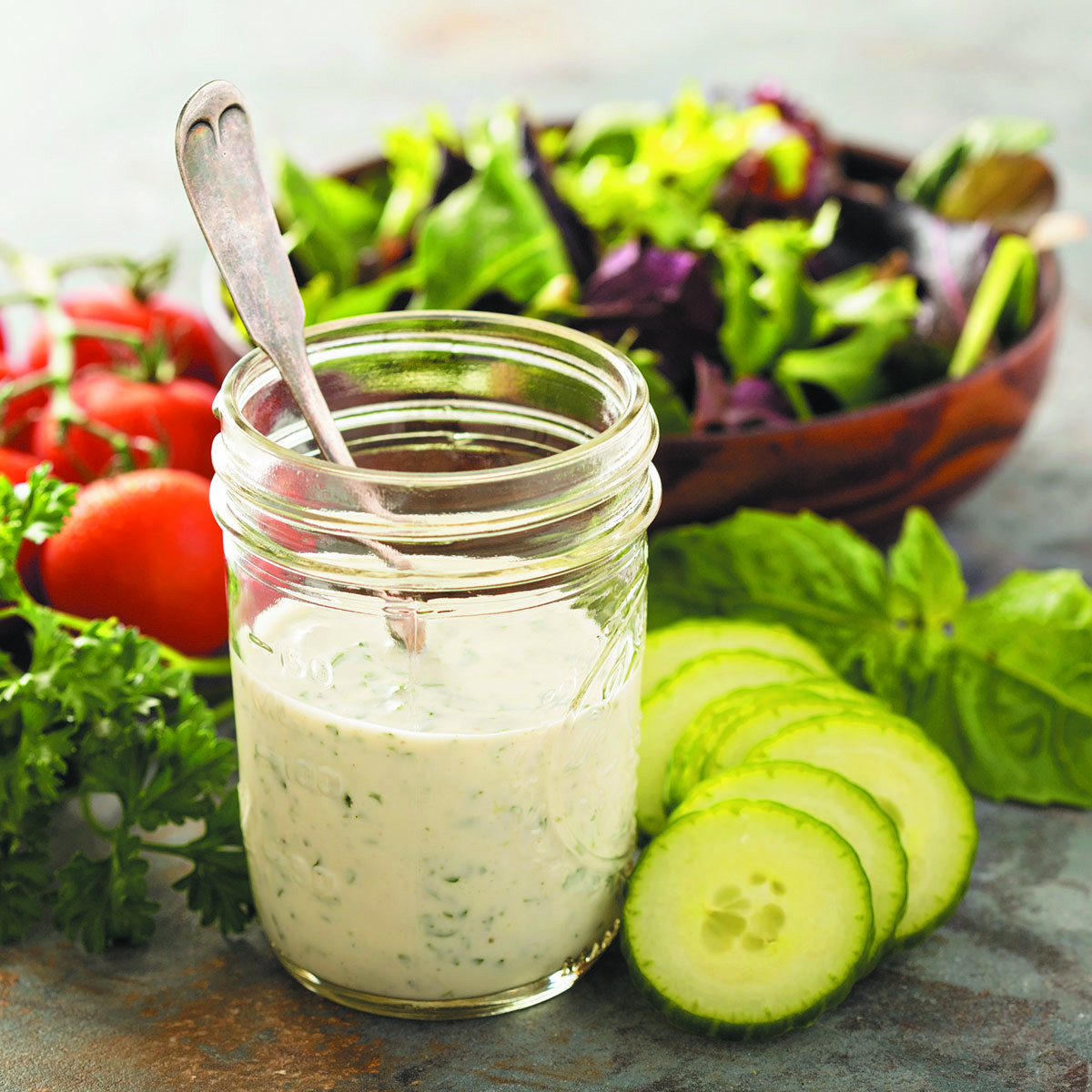
Is your salad dressing hurting your healthy diet?
Bottled dressings are often rich sources of saturated fat, calories, sodium, and added sugar.
Image: © VeselovaElena/Thinkstock
You're eating more salad for good health. But you may be undoing the benefits when you use a store-bought salad dressing.
"I have some clients who say they'll only eat salad if they can use dressing. That can add a lot of calories, sodium, sugar, and saturated fat," says registered dietitian Kathy McManus, director of the Department of Nutrition at Harvard-affiliated Brigham and Women's Hospital.

The value of prevention
Treating heart disease is expensive. Adopting heart-healthy habits can save money as well as lives.
If you exercise, eat right, and follow other heart-friendly habits, you're probably less likely to end up in the hospital with a heart problem. And — no surprise here — that translates to far lower health care costs. The average hospital charge for a heart operation or related procedure is about $85,000 (see "The price of treating heart disease").
A recent report shed light on the magnitude of the savings realized from heart disease prevention strategies. The study, published in the Feb. 1, 2017, Journal of the American Heart Association, focused on Medicare claims for more than 6,200 people over age 65. Health care costs were about $5,000 less per year in people with the most heart-healthy factors compared with those with the least number of factors. If all Medicare beneficiaries followed five of seven key heart-healthy habits (see "Life's Simple 7") to reduce cardiovascular disease, it would save more than $41 billion a year in Medicare costs, the study authors estimated.
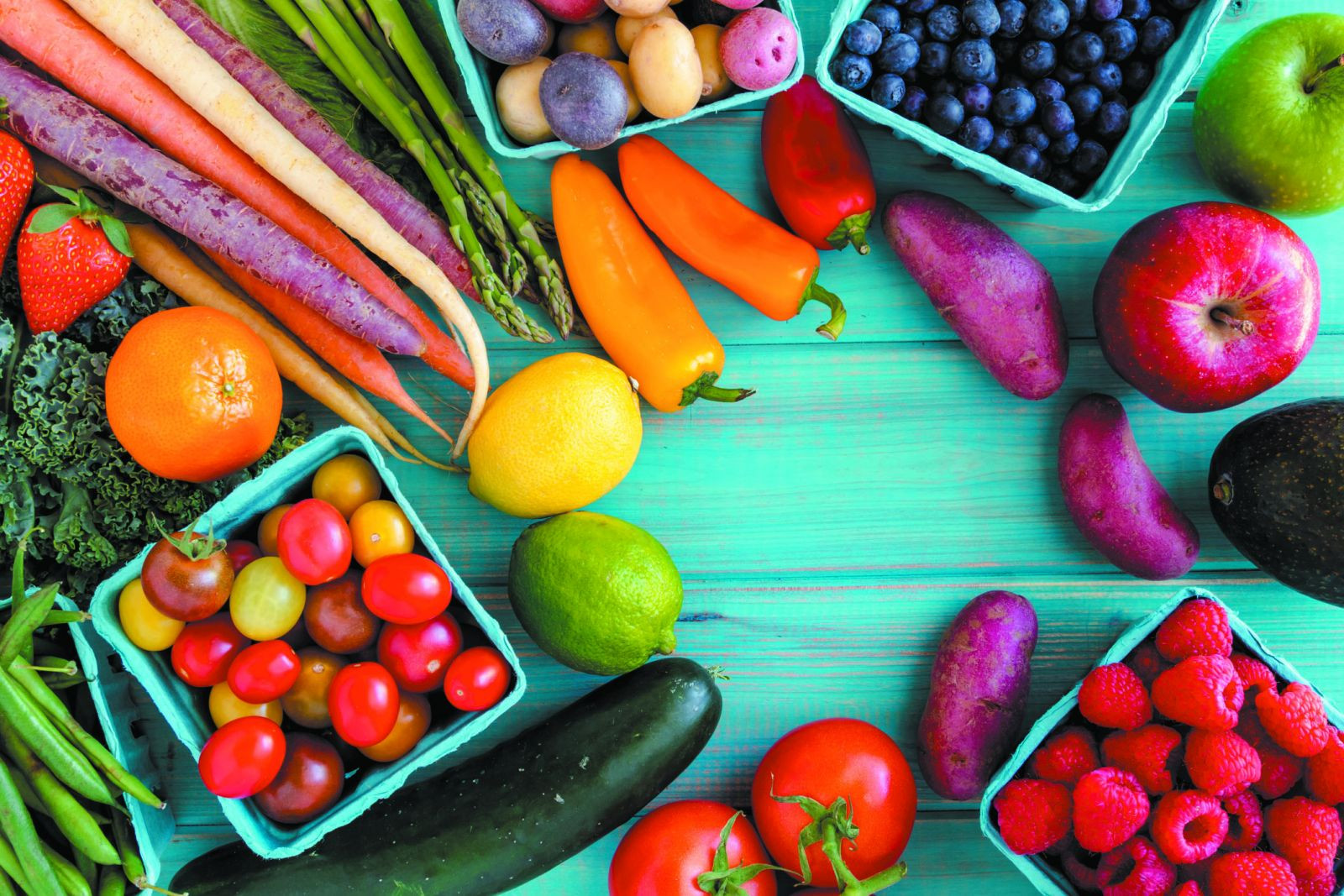
Fruits and vegetables for heart health: More is better
Research we're watching
Image: © tvirbickis/Thinkstock
How many daily servings of fruits and vegetables should you eat to keep your heart healthy? Five servings a day (about two-and-a-half cups) appears to slightly lower your risk of heart attack and stroke. But pump up your produce intake to 10 servings a day, and you may lower your risk of cardiovascular disease by 28% and your risk of premature death by 31%, according to a new review article.
The findings, published online Feb. 22, 2017, by the International Journal of Epidemiology, were gleaned from 95 studies from around the world looking at the effects of fruit and vegetable intake. The items that seemed to offer the greatest benefits included apples, pears, oranges and other citrus fruits, green leafy vegetables, cruciferous vegetables (such as broccoli, cabbage, and cauliflower), and green and yellow vegetables (such as green beans, carrots, and peppers).
Even a little exercise linked with lower stroke risk in people with afib
Testosterone therapy without evidence of deficiency may boost heart risk
Weight-loss drug may lower risk of heart attacks and infections
What to eat on the DASH diet
Migraine: How it's diagnosed and what that means
Tricep workouts you can do at home
Mindfulness practices to reduce stress and improve focus
Antihistamines may not offer meaningful relief from eczema symptoms
Overweight and taking blood pressure medications: Study finds it's a trend that's working
FDA approves first mRNA-based flu vaccine
Free Healthbeat Signup
Get the latest in health news delivered to your inbox!
Sign Up
