

Even a little exercise linked with lower stroke risk in people with afib

Testosterone therapy without evidence of deficiency may boost heart risk

Weight-loss drug may lower risk of heart attacks and infections

What to eat on the DASH diet

Migraine: How it's diagnosed and what that means

Tricep workouts you can do at home

Mindfulness practices to reduce stress and improve focus

Antihistamines may not offer meaningful relief from eczema symptoms

Overweight and taking blood pressure medications: Study finds it's a trend that's working

FDA approves first mRNA-based flu vaccine
Cholesterol and lipids Archive
Articles

Safety of implanted cardiac devices and MRIs: An update
Research we're watching
Contrary to conventional wisdom, most people with older implanted cardiac devices may be able to safely get a magnetic resonance imaging (MRI) scan, according to a study in the Feb. 23, 2017, New England Journal of Medicine.
The devices, which include pacemakers and implantable cardioverter-defibrillators (ICDs), help regulate and restore the heart's normal rhythm. Concerns that the powerful magnets in MRIs could damage these battery-operated devices led to the development of newer, MRI-safe devices. But an estimated two million people in the United States have one of the older devices, and at least half of them might need an MRI in the future.

A win for weekend warriors?
Exercising just one or two days a week may lower the odds of dying of heart disease.
Image: © Jupiterimages/Thinkstock
If you find it difficult to fit a workout into your daily schedule, here's some encouraging news: exercising even just once or twice a week appears to help your heart, new research suggests.
The findings, which were based on the self-reported exercise habits of more than 63,500 people, were published March 6, 2017, in JAMA Internal Medicine. Among people who exercised enough to meet federal physical activity recommendations, those who did all their exercise on one or two days a week — so-called weekend warriors — had 40% lower risk of death from heart disease than people who were inactive (see "Exercise patterns: How much do time and intensity matter?").

Your blood pressure goal: A personalized balancing act
Experts are divided on optimal blood pressure targets but agree that an individual approach is the best strategy.
There's no debate about the dangers of high blood pressure. Dubbed the "silent killer," high blood pressure usually has no symptoms. Yet this common condition damages blood vessels throughout the body, raising the risk of heart attack, stroke, kidney disease, and other problems.
But exactly when to start drug therapy for high blood pressure and how aggressive that treatment should be — especially in older people — has been a matter of some dispute in recent years. Some studies suggest that aiming for a stricter (that is, lower) blood pressure target than the current guidelines recommend can substantially reduce a person's risk of cardiovascular complications (see: "Blood pressure research and guidelines: A moving target?"). Other studies offer evidence that a more relaxed (that is, higher) target makes more sense for most people, given the potential harms of drug side effects such as fatigue and coughing, as well as low blood pressure, which can cause lightheadedness and fainting.

Cracking the coconut craze
Are oils and other products made from this tropical fruit a healthy choice?
Image: © Magone/Thinkstock
Recently, a Harvard Heart Letter reader emailed us a question about coconut oil, a solid white fat that's been touted as a health food, specifically for the heart. Lately, more coconut-based products, including spreads and beverages, are showing up on grocery store shelves, along with jars of coconut oil. But this reader isn't buying it. "I cannot imagine that a food with so much saturated fat could be healthful. What is the latest scientific information regarding coconut oil?" he wrote.
Extracted from white "meat" inside the brown, hard-shelled fruit of the coconut palm, coconut oil is indeed chock-full of saturated fat. In fact, it's about 90% saturated fat, a much higher proportion than butter (64%) or lard (40%). Too much saturated fat in the diet raises harmful LDL cholesterol, which increases the risk of heart disease. But what else do we know about the health effects of this tropical fruit?
Supplements used as statin alternatives pose safety issues
Research we're watching
Dietary supplements made from red yeast rice contain substances called monacolins, which are similar to the active ingredient in cholesterol-lowering statin drugs. And like statins, red yeast rice products may cause rare but serious side effects, such as muscle injury and liver damage, as noted in a study published online January 19, 2017, by the British Journal of Pharmacology.
The study, based on a review of 13 years of patient data by Italian researchers, notes that people who can't tolerate statins often take red yeast rice supplements. But there are no studies testing the safety of red yeast rice compared with statins. In the United States, the FDA considers red yeast rice products that contain more than trace amounts of monacolins to be unapproved new drugs and therefore illegal to sell. Yet dozens of these unregulated products remain on the market.
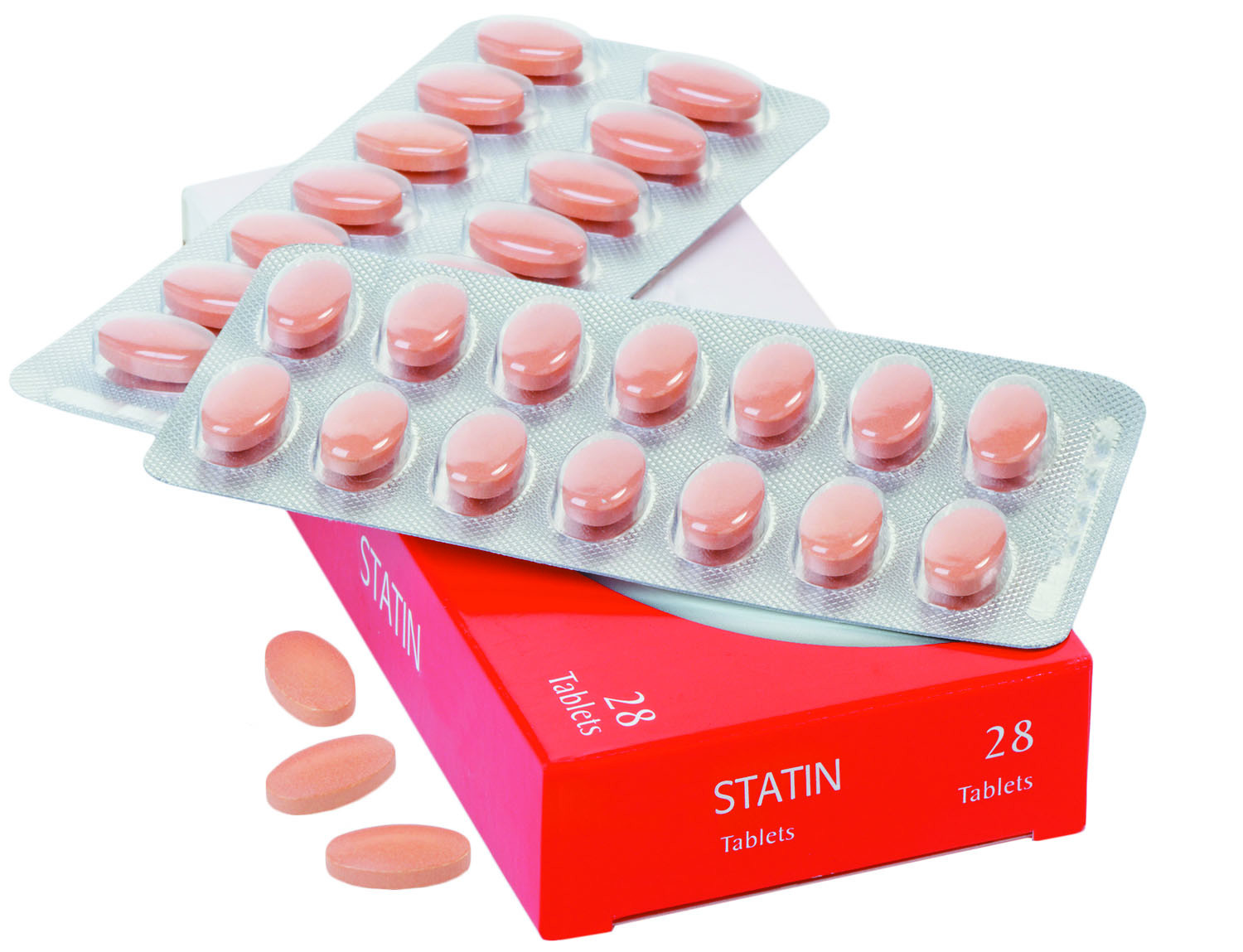
The new state of statins
Almost one-third of older adults take statins to help lower cholesterol levels, but new guidelines and research have restarted the conversation on the role statins play in your health.
Image: © rogerashford/Thinkstock
Since they were introduced two decades ago, statins have been touted as a driving force in helping many older men reduce their risk of heart attack and stroke.
New research even suggests these drugs might treat other conditions, like Alzheimer's disease, and lower your risk of death from cancer (see "Other statin uses?").


The Healthy Heart: Preventing, detecting, and treating coronary artery disease
Medications for heart disease
Although lifestyle changes are an essential first step in treating coronary artery disease, you may need to take medications to reach your cholesterol and blood pressure goals and otherwise reduce your risk. In fact, most people with heart disease need to take more than one medication. The specific combination of drugs will depend on your particular symptoms and risk factors. Some of the most commonly prescribed medications are described below.
Blood pressure medications
For many years, doctors used diuretics — sometimes known as water pills — to treat high blood pressure. Although diuretics remain a mainstay of blood pressure treatment because they are cheap and effective, a flood of other drugs have become available since the 1980s. In addition, a large meta-analysis comparing the various options concluded that the five categories of drugs currently available are equally effective for most people. Work with your doctor to determine the best type of medication for you.
Gender matters: Heart disease risk in women
Heart disease is the leading cause of death among women — and one of the most preventable. Research is giving us insights into how we can control our risk.
We've come a long way since the days when a woman's worry over heart disease centered exclusively on its threat to the men in her life. We now know it's not just a man's problem. Every year, coronary heart disease, the single biggest cause of death in the United States, claims women and men in nearly equal numbers.
Risk still underappreciated
In a survey conducted by the American Heart Association, about half of the women interviewed knew that heart disease is the leading cause of death in women, yet only 13% said it was their greatest personal health risk. If not heart disease, then what? Other survey data suggest that on a day-to-day basis, women still worry more about getting breast cancer — even though heart disease kills six times as many women every year. Why the disconnect?

C-Reactive Protein test to screen for heart disease: Why do we need another test?
The predictive powers of a cholesterol test only go so far. If your LDL is low, your C-reactive protein may be a better sign of impending heart trouble.
The gap between knowing what's good for you and actually doing it can be huge, especially when it comes to something like getting exercise. (Never underestimate the appeal of the sedentary life.) Many of us need a warning-some might say a bit of a kick in the pants-before we'll change our ways and get with a heart-healthy program.
Cholesterol Tests
For decades, cholesterol testing has served as that warning for many. An elevated level of "bad" LDL cholesterol has been just the warning people needed to change their ways. It has played that role for several reasons. People like tests because the results seem objective. Reliable measurement of cholesterol is easy and relatively inexpensive. It makes sense biologically. LDL cholesterol, a protein-wrapped package containing fat and cholesterol, tends to slip out of the bloodstream and lodge in blood vessel walls, forming the plaque that leads to clots and heart attacks.
Even a little exercise linked with lower stroke risk in people with afib
Testosterone therapy without evidence of deficiency may boost heart risk
Weight-loss drug may lower risk of heart attacks and infections
What to eat on the DASH diet
Migraine: How it's diagnosed and what that means
Tricep workouts you can do at home
Mindfulness practices to reduce stress and improve focus
Antihistamines may not offer meaningful relief from eczema symptoms
Overweight and taking blood pressure medications: Study finds it's a trend that's working
FDA approves first mRNA-based flu vaccine
Free Healthbeat Signup
Get the latest in health news delivered to your inbox!
Sign Up
