

CoQ10: Should you take this popular supplement if you're on a statin?

Microplastics: A hidden health threat?

Oat vs. dairy milk: Nutrition, benefits, and downsides

What is tempeh? Benefits, nutrition, and how to use it

Healing after food poisoning

Children of centenarians may stay healthier and live longer too, study finds

Light exposure at night may raise risk for heart disease

A lumbar belt may help ease low back pain

Whole grains may improve several heart risk factors at once

Signs of pneumonia: Sometimes vague and unexpected
Caregiving Archive
Articles

Is it okay to take multivitamins?
The general consensus is that healthy people who eat right need a vitamin or mineral supplement only if they have a diagnosed vitamin or mineral deficiency. Still, multivitamins may provide a safety net to fill dietary nutrition gaps even for people who mostly eat healthy. Studies have shown that taking multivitamins as prescribed usually doesn't cause any serious issues, and many over-the-counter brands are relatively inexpensive. Some people also view taking a daily multivitamin as another way to support a healthy lifestyle.
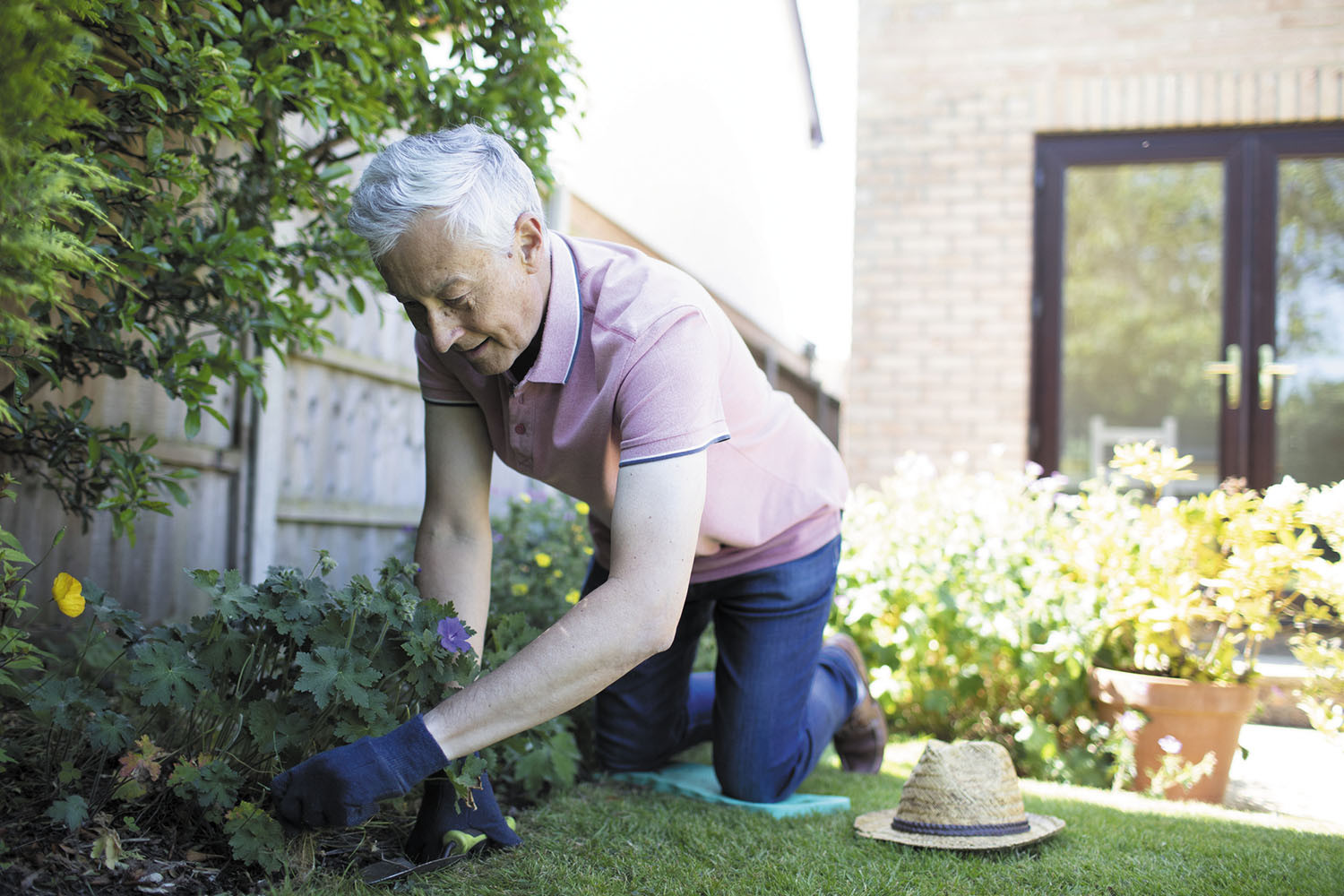
Rising up from a fall
Older adults need to safely be able to sit and rise from the ground whether kneeling in the garden, looking for something under the bed, or playing on the floor with the grandkids. This movement is also helpful when getting up after a fall. Three exercises that can help older adults with daily up-and-down mobility are kneel-to-stand, crawling, and sit-to-stand.

How to avoid this common pickleball injury
Pickleball elbow is a type of tendinitis called lateral epicondylitis. The injury can result from gripping a pickleball paddle tightly for long periods or repeatedly twisting and turning the wrist while preparing to hit the ball. To avoid pickleball elbow, doctors recommend that players improve their muscle strength, use a paddle with the right grip size, build time on the court gradually, warm up their muscles before playing, stretch muscles afterward, ice their elbows after playing, and get guidance to hone their pickleball technique.

Will a multivitamin help my brain?
Increasing evidence suggests that people who take a daily multivitamin pill have a lower risk of cognitive decline compared with people who don't take multivitamins. In particular, two randomized controlled trials published in the spring of 2023 found that people older than age 60 who take a multivitamin are less likely to experience a slight age-related cognitive decline, at least over the next three years, compared to those taking a placebo. The benefit appeared to be particularly true for people who had cardiovascular disease.

Men, women, and red meat risk: Maybe both sexes should put down the burger
A 2023 review of 70 studies found that both unprocessed and processed red meat are linked to higher risks of cardiovascular disease and diabetes, with no apparent difference in risk between men and women.

3 group housing trends for the 60 and older set
Three group housing trends can help ward off loneliness and isolation in older age. One trend is specialized communities, which are private mini-neighborhoods that promote shared activities, involvement with neighbors, and sometimes shared goals (such as providing stable lives for foster children). The communities are run by the people who live there or by nonprofit organizations. Another trend is home sharing—taking on a boarder or sharing a home with friends. A third trend is residential care homes, which are small assisted living facilities in private homes licensed by the state.

Steps to spot the signs of hoarding
Hoarding disorder is a mental health condition characterized by an inability to discard certain belongings to the point of unhealthy accumulation. While the types of hoarded items vary and might be useless to others—old clothes, boxes, papers, junk mail, or even spoiled food or garbage—the person hoarding the items is convinced they'll be needed one day. The mere idea of parting with them is extremely distressing. In time, stuff fills the home in mounds of disorganized clutter that jams rooms and hallways and threatens safety. Beyond clutter, signs of hoarding disorder include impaired behavior, such as social isolation, sleep loss, or indecision.

Quick fixes to keep you from falling
About half of all falls take place in the home. To prevent them, it helps to eliminate fall hazards in every room of the home, such as floor clutter and throw rugs.

Validation: Defusing intense emotions
Validation is a valuable communication technique that can help people feel heard and understood. When used correctly it helps us understand another person's feelings and establishes trust, particularly in situations with heightened emotions.

Seeing red? 4 steps to try before responding
Simple coping strategies like counting to 10 are often useful to help you avoid an outburst. But as multiple challenges in recent years have amped up stress levels, those strategies may not be enough. So what steps can you take to avoid reaching your boiling point?
CoQ10: Should you take this popular supplement if you're on a statin?
Microplastics: A hidden health threat?
Oat vs. dairy milk: Nutrition, benefits, and downsides
What is tempeh? Benefits, nutrition, and how to use it
Healing after food poisoning
Children of centenarians may stay healthier and live longer too, study finds
Light exposure at night may raise risk for heart disease
A lumbar belt may help ease low back pain
Whole grains may improve several heart risk factors at once
Signs of pneumonia: Sometimes vague and unexpected
Free Healthbeat Signup
Get the latest in health news delivered to your inbox!
Sign Up
