

CoQ10: Should you take this popular supplement if you're on a statin?

Microplastics: A hidden health threat?

Oat vs. dairy milk: Nutrition, benefits, and downsides

What is tempeh? Benefits, nutrition, and how to use it

Healing after food poisoning

Children of centenarians may stay healthier and live longer too, study finds

Light exposure at night may raise risk for heart disease

A lumbar belt may help ease low back pain

Whole grains may improve several heart risk factors at once

Signs of pneumonia: Sometimes vague and unexpected
Caregiving Archive
Articles

Staying safe while getting well
Preventable adverse medical events occur in up to 7% of hospital admissions and sometimes can lead to serious and even life-threatening complications. Examples include inaccurate medications, unexpected infections, and problems during surgery. To help protect yourself from these events in the hospital, have a trusted partner be with you as much as possible, inquire about each of your medications when offered, and work with your nurse to move around safely.

Talk therapy for depression may help lower heart disease risk
For people with depression, successful treatment with talk therapy may lower the risk for heart disease, perhaps by helping them adopt healthier habits, according to a 2023 study.

Keep midday naps to less than 30 minutes
Research supports the health benefits of taking afternoon naps, but they should last less than 30 minutes, according to a 2023 study.

Women more likely to be injured while walking a leashed dog
A 2023 study suggests that women and older adults are more likely to sustain serious injuries, such as fractures and head trauma, than others while walking a leashed dog.

Bugs are biting: Safety precautions for children
Biting bugs are a nuisance and sometimes can spread illnesses like Lyme disease, Zika, or West Nile virus. To prevent bug bites, take simple precautions and learn how to choose and safely use insect repellents.


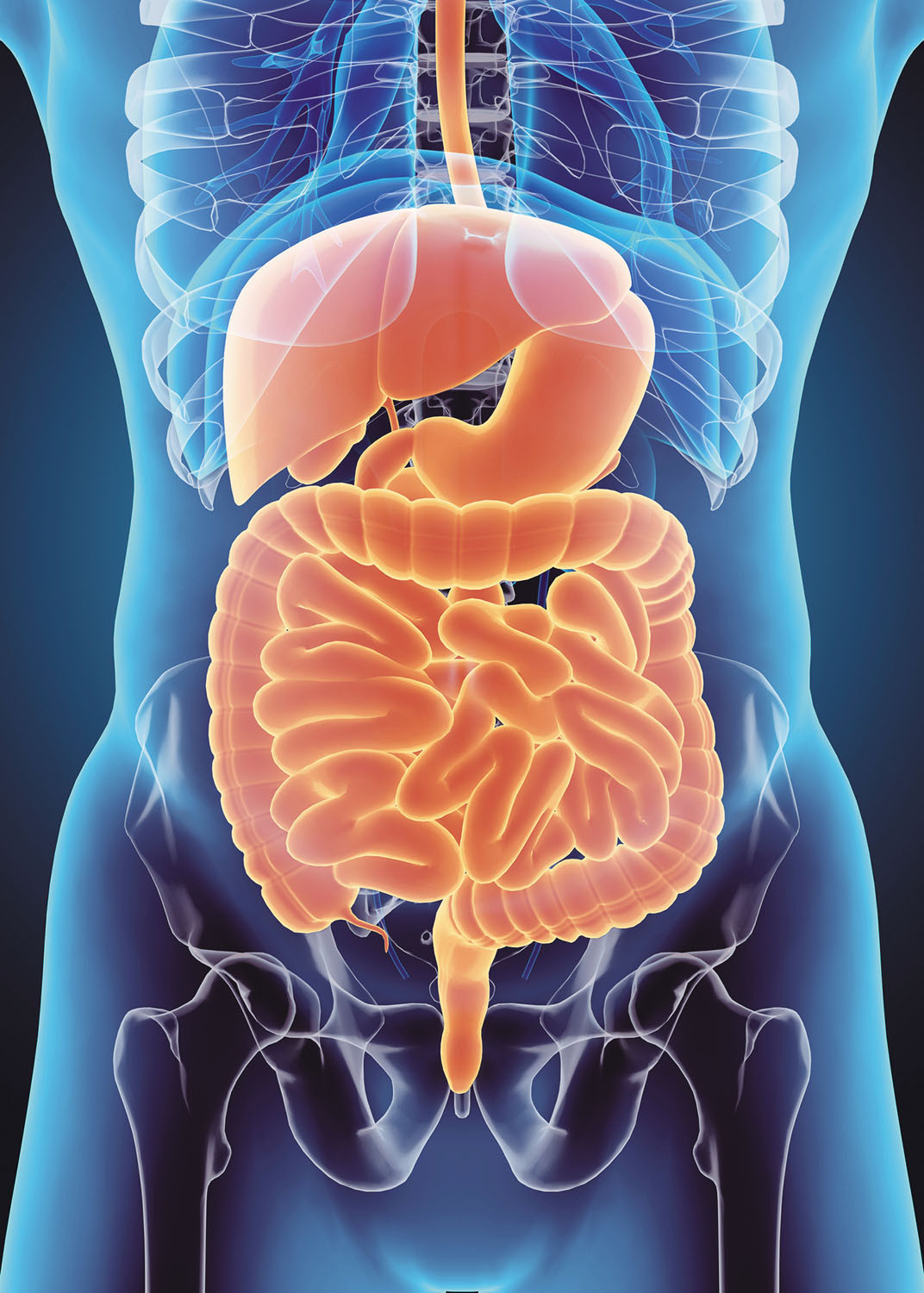
Keep your digestion moving
Over time, everyone's digestive system works less efficiently and people can develop food intolerance or begin taking medications that can affect digestion. These changes can create problems like gas, bloating, cramps, and constipation. By identifying the reasons for the digestive issues, managing them becomes easier and can help keep the entire system running smoothly.

Tips to avoid constipation
There are many ways one can try to avoid constipation. For example, lifestyle remedies may help—such as increasing dietary fiber, getting regular exercise, and drinking three to six cups of water per day. If those approaches don't work, doctors recommend using fiber supplements, such as psyllium husk (Metamucil), methylcellulose (Citrucel), or wheat dextrin (Benefiber). Another supplement that might help is magnesium. When all strategies fail, it may be time to try over-the-counter medication. One option is an osmotic laxative such as polyethylene glycol (Miralax).

CoQ10: Should you take this popular supplement if you're on a statin?
Microplastics: A hidden health threat?
Oat vs. dairy milk: Nutrition, benefits, and downsides
What is tempeh? Benefits, nutrition, and how to use it
Healing after food poisoning
Children of centenarians may stay healthier and live longer too, study finds
Light exposure at night may raise risk for heart disease
A lumbar belt may help ease low back pain
Whole grains may improve several heart risk factors at once
Signs of pneumonia: Sometimes vague and unexpected
Free Healthbeat Signup
Get the latest in health news delivered to your inbox!
Sign Up
