

CoQ10: Should you take this popular supplement if you're on a statin?

Microplastics: A hidden health threat?

Oat vs. dairy milk: Nutrition, benefits, and downsides

What is tempeh? Benefits, nutrition, and how to use it

Healing after food poisoning

Children of centenarians may stay healthier and live longer too, study finds

Light exposure at night may raise risk for heart disease

A lumbar belt may help ease low back pain

Whole grains may improve several heart risk factors at once

Signs of pneumonia: Sometimes vague and unexpected
Caregiving Archive
Articles

Ask the doctor: I have pelvic organ prolapse. What types of exercise should I avoid?
Q. I have pelvic organ prolapse and work out at the gym almost every day. Are there any forms of exercise that will make my situation worse?
A. Pelvic organ prolapse results from weakened muscles and ligaments of the pelvic floor, which allow your bladder or uterus to drop and press against the walls of the vagina. You didn't say what type of exercise you do at the gym, but there are a few you should avoid—lifting heavy weights, especially over shoulder height; high-impact aerobic activities involving jumping or hopping; and sit-ups. You should check with a trainer at the gym to see how you can modify strength training, core exercises, and aerobics to reduce stress on your pelvic floor.

Ask the doctor: My waist has expanded but I haven't gained weight. Is this because I've stopped wearing a belt?
Q. The article in your December 2014 issue about women's waistlines expanding the past few years intrigued me, because I have experienced an increase, and I have not gained weight. My theory is that the styles of the past few years—pants riding low on the hips, no belts at the waist, and loose shirts—may have caused my waist to increase from 24 to 25½ inches. I am 59 years old, so it also could be aging in general, but I still think the belted styles kept women smaller. Am I right?
A. There is no evidence that the physical effect of wearing a belt influences waist circumference. At best, wearing a belt is one way to keep tabs on your waistline. While having to loosen their belt a notch may drive some women to re-examine their diet and exercise routines, it doesn't sound as if you need to do that. I think your alternative explanation that aging is responsible is more likely to be true.

Not all processed foods are unhealthy
Don't be misled by well-intentioned advice. Some processed foods offer nutritional value and convenience.
Nutrition gurus often urge us to spurn processed foods in favor of whole ones. But not all processed foods are necessarily bad. "Most food needs to go through some sort of processing for it to even be edible and digestible," says Stacey Nelson, a registered dietitian and manager of clinical nutrition at Harvard-affiliated Massachusetts General Hospital. "The minute you cook something, you are processing it."

Preventing ingrown toenails
An ingrown toenail is one of the most common sources of foot pain. Although it's usually just a nuisance, it can be a serious problem for anyone with diabetes or circulatory difficulties.
An ingrown toenail develops when the side of the nail digs into the skin. This can lead to pain, irritation, swelling, and redness. The big toe is most often affected, although no toe is immune. The problem usually develops because the nails have not been trimmed properly. Overly tight shoes may also be a factor. Some people have an inherited tendency to develop the problem.
10 tips for finding the right shoes
When shopping for shoes, you want to have more than fashion in mind — you'll also want to consider function and keeping your feet in good shape. These 10 tips can help you choose the right shoes:
- Take a tracing of your foot with you. Place any shoe you think you might buy on top of the tracing. If the shoe is narrower or shorter than the tracing, don't even try it on.
- Shop for shoes during the afternoon — your foot naturally expands with use during the day.
- Wear the same type of socks to the store that you intend to wear with the shoes.
- Have a salesperson measure both of your feet — and get measured every time you buy new shoes. Feet change with age, often growing larger and wider. If one foot is larger than the other, buy a size that fits the larger foot.
- Stand in the shoes. Press gently on the top of the shoe to make sure you have about a half-inch of space between your longest toe and the end of the shoe. This provides enough room for your foot to press forward as you walk. Wiggle your toes to make sure there's enough room.
- Walk around in the shoes to determine how they feel. Is there enough room at the balls of the feet? Do the heels fit snugly, or do they pinch or slip off? Don't rationalize that the shoes just need to be "broken in." Find shoes that fit from the start.
- Trust your own comfort level rather than a shoe's size or description. Sizes vary between manufacturers. And no matter how comfortable an advertisement claims those shoes are, you're the real judge.
- Pay attention to width as well as length. If the ball of your foot feels compressed in a particular shoe, ask if it comes in a wider size. Buying shoes that are a half-size bigger — but not any wider — won't necessarily solve the problem.
- Feel the inside of the shoes to see if they have any tags, seams, or other material that might irritate your foot.
- Examine the soles. Are they sturdy enough to provide protection from sharp objects? Do they provide any cushioning? Take note of how they feel as you walk around the shoe store. Try to walk on hard surfaces as well as carpet to see how the shoe feels on both.
For more advice on keeping your feet pain-free, buy Healthy Feet, a Special Health Report from Harvard Medical School.

Attention caregivers: Making use of helpful services
Being a caregiver for an ailing parent, spouse, child, or other loved one can feel like a lonely undertaking. It needn't, even if you don't have family nearby to pitch in. Help for caregivers is available from various organizations. Once you learn what's available, it may be easier to chart a less-demanding course toward meeting the needs of your spouse, relative, or friend.
Here are some types of services and professionals you might want to investigate.
Can hospice care reduce depression in the bereaved?
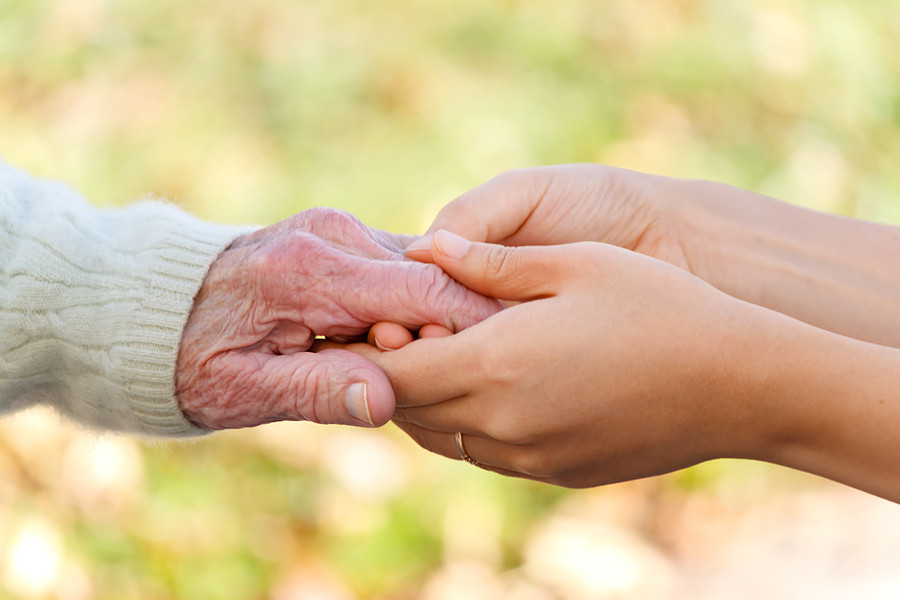
Hospice care improves quality of life in the dire circumstances of a person’s last days. It can enable the dying to spend this time in peace, surrounded by family and friends, and in little pain. Studies confirm what many know intuitively. Family members are likely to experience major depression following the loss of a loved one. A recent study published in today’s online JAMA Internal Medicine looked at whether hospice care reduces the severity of bereavement-related depression in people who had recently lost a spouse. While the researchers saw no difference between spouses whose partners were enrolled in hospice and those how weren’t, major depression was less common in spouses who received support from a hospice program.
Pay attention to signs of depression
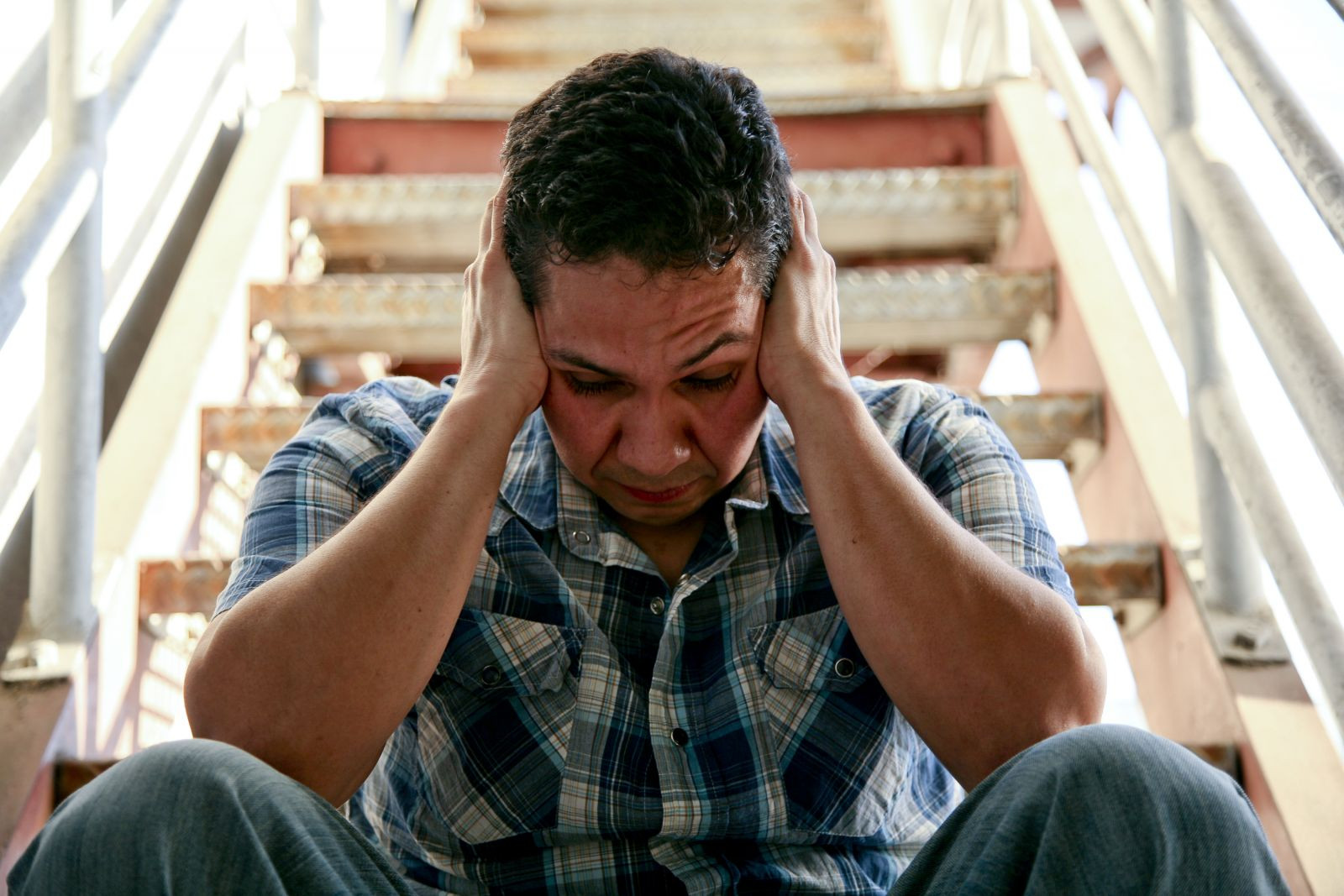
Over time, most people with dementia or mild cognitive impairment (a decline in thinking skills) also experience behavioral changes, such as depression and agitation. Which comes first? A study published online by Neurology on Jan. 14, 2015, suggests that psychological and behavioral changes can begin before people develop mild cognitive impairment or dementia. Researchers evaluated the daily functioning, memory and thinking skills, and psychological and behavioral symptoms of about 2,400 people, ages 50 and older, who had no evidence of cognitive decline. The study also suggests that a pattern of depressive symptoms may occur in older adults, unrelated to cognitive decline. The takeaway? "Depressive symptoms can occur in older adults for many reasons. If you are experiencing mood or cognitive changes that last for more than a few weeks, it's a good idea to bring this up with your doctor or consult a mental health specialist to help sort out possible causes," says Dr. Nancy Donovan, an instructor in psychiatry at Harvard Medical School.
Two ways to stay mentally sharp
Regular physical activity helps keep your heart, lungs, and muscles in shape and can stave off the effects of aging. In much the same way, exercising your brain can help keep your mind sharp and your memory intact. Here are two ways to activate your brain.
Keep busy and engaged
The MacArthur Foundation Study on Successful Aging, a long-term study of aging in America, found that education level was the strongest predictor of mental capacity as people aged. The more education, the more likely an individual was to maintain his or her memory and thinking skills. Other research has shown that people who held jobs that involved complex work, such as speaking to, instructing, or negotiating with others, had a lower risk of memory loss (dementia) than people whose jobs were less intellectually demanding.

Scientifically proven diets that work
Heart-healthy diets emphasize fruits and vege-tables as a major source of daily calories. Images: Thinkstock |
Substantial research proves the Mediterranean and DASH eating plans offer important health benefits for men.
CoQ10: Should you take this popular supplement if you're on a statin?
Microplastics: A hidden health threat?
Oat vs. dairy milk: Nutrition, benefits, and downsides
What is tempeh? Benefits, nutrition, and how to use it
Healing after food poisoning
Children of centenarians may stay healthier and live longer too, study finds
Light exposure at night may raise risk for heart disease
A lumbar belt may help ease low back pain
Whole grains may improve several heart risk factors at once
Signs of pneumonia: Sometimes vague and unexpected
Free Healthbeat Signup
Get the latest in health news delivered to your inbox!
Sign Up
