

CoQ10: Should you take this popular supplement if you're on a statin?

Oat vs. dairy milk: Nutrition, benefits, and downsides

Microplastics: A hidden health threat?

Healing after food poisoning

What is tempeh? Benefits, nutrition, and how to use it

Light exposure at night may raise risk for heart disease

Whole grains may improve several heart risk factors at once

A lumbar belt may help ease low back pain

Children of centenarians may stay healthier and live longer too, study finds

Signs of pneumonia: Sometimes vague and unexpected
Brain health Archive
Articles

How does sleep support memory and learning?
From facts to skills, sleep helps the brain process what you take in during the day, and cutting it short may affect more than energy.

Can migraines affect how your brain processes memory?
Memory changes during a migraine can be unsettling and may have several explanations. See which symptoms need prompt medical attention and follow-up.

Could a lost sense of smell signal a health problem?
A change in your sense of smell can have many possible explanations. Find out what factors to consider and when discussing it with a doctor may help.

Could brief neurological symptoms be a stroke warning?
Sudden changes in speech, balance, and coordination can signal an urgent health concern, especially when they fade quickly or recur.

What can help ease orthostatic tremor?
When clonazepam doesn’t ease the unsteadiness of orthostatic tremor, other medicines may offer options to discuss with your doctor.

What can cause flashes of light in your vision?
Flashes of light may be harmless, but some patterns deserve prompt medical attention.

Are circles of light a common migraine symptom?
Transparent circles or other visual changes can appear before migraine pain. Find out what these symptoms may mean and what to discuss with your doctor.

Can a neck artery tear after head or neck trauma lead to a stroke?
Head or neck trauma can sometimes damage key arteries supplying the brain. Find out how this rare injury might trigger a stroke in younger adults.
Can you have Alzheimer's without symptoms?
More than 30% of adults over 70 have amyloid or tau (proteins implicated in the development of Alzheimer’s disease) in their brains yet have no apparent cognitive problems. This may indicate greater cognitive reserve, the brain’s ability to compensate for damage.
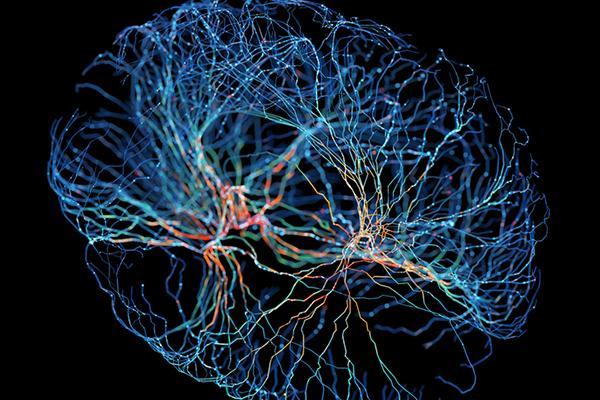
What is neurogenesis?
Neurogenesis is the birth of new nerve cells, called neurons, in the brain. The ability to grow new neurons appears more prominent in super-agers, people 80 and older whose thinking and memory skills are as sharp as adults who are decades younger.
CoQ10: Should you take this popular supplement if you're on a statin?
Oat vs. dairy milk: Nutrition, benefits, and downsides
Microplastics: A hidden health threat?
Healing after food poisoning
What is tempeh? Benefits, nutrition, and how to use it
Light exposure at night may raise risk for heart disease
Whole grains may improve several heart risk factors at once
A lumbar belt may help ease low back pain
Children of centenarians may stay healthier and live longer too, study finds
Signs of pneumonia: Sometimes vague and unexpected
Free Healthbeat Signup
Get the latest in health news delivered to your inbox!
Sign Up
