

People who walk more or walk faster live longer, study finds

Rosacea treatments: What works?

For sleep apnea, a dental device may be as effective as CPAP

Carb cycling: What is it, and does it work?

Understanding orthorexia: Have your healthy eating goals gone too far?

Melatonin or magnesium: Can either supplement help you sleep?

Salmonella, E. coli, Cyclospora, and other germs that cause food poisoning: What you need to know

Naturally gluten-free foods

Harvard study: Healthier fats linked to longer life after prostate cancer diagnosis

Shingrix shingles vaccine linked with lower heart disease risks
Blood sugar monitoring Archive
Articles

Is there a link between fatty liver and high blood sugar?
A fatty liver diagnosis and a high blood sugar reading may point to more than one concern. See what these findings could mean for your health.

Fatty liver disease: Should you be tested?
People with type 2 diabetes or who have a high BMI with a metabolic risk factor (such as a large belly, abnormal lipid levels, or high blood pressure) should be screened for metabolic dysfunction-associated steatotic liver disease, a form of fatty liver disease.

What is hyperparathyroidism and how does it affect the body?
Hyperparathyroidism involves excess hormone production from tiny neck glands and can disrupt calcium balance, bone health and overall well-being.
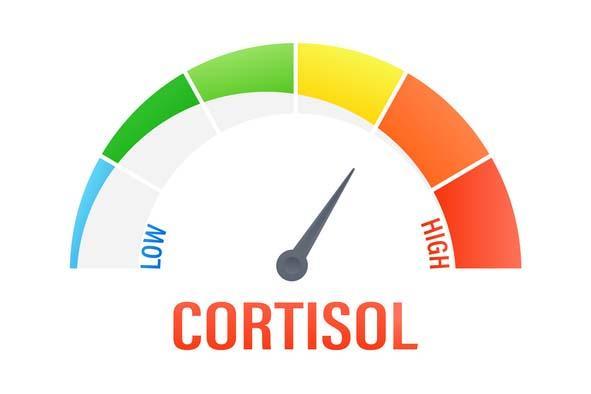
Do you really have high cortisol?
Social media influencers blame “high cortisol” for an array of problems, from stubborn belly fat to poor sleep. But true cortisol disorders are rare and most people have no evidence that abnormal cortisol levels are driving such problems.

Is a thyroid-stimulating hormone level of 1.32 healthy?
A TSH result can be confusing without context. See what the number measures, how lab ranges vary and when other factors matter for thyroid health.

When should a high TSH lead to a higher thyroid hormone dose?
A rise in thyroid-stimulating hormone after thyroid removal can have several explanations, from medication timing to changes in absorption.

What might explain persistent sensitivity to cold?
Feeling unusually cold on a regular basis can have several explanations, from everyday factors to conditions worth checking.

Why might I feel faint after light exercise?
Momentary dizziness after a walk or rising from kneeling can signal blood pressure shifts, medications, heart disease, or low blood sugar. It merits a checkup.
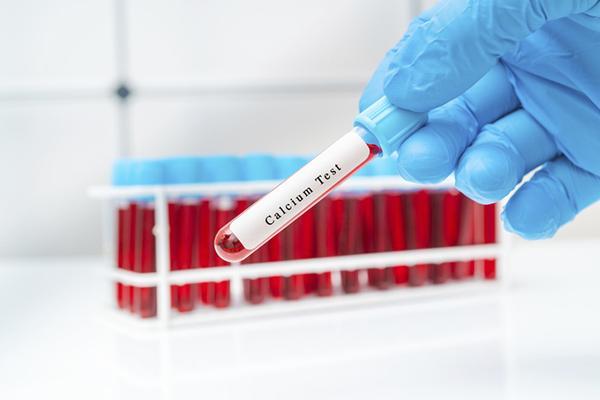
Is it dangerous to have a high calcium level?
A high calcium result often turns up on a routine lab test. Possible causes range from overactive parathyroid glands to excess vitamin D.

Can diabetes cause joint pain that feels like arthritis?
Tendonitis, bursitis, frozen shoulder, and Charcot joint can all strike people with diabetes. They mimic arthritis but have different causes.
People who walk more or walk faster live longer, study finds
Rosacea treatments: What works?
For sleep apnea, a dental device may be as effective as CPAP
Carb cycling: What is it, and does it work?
Understanding orthorexia: Have your healthy eating goals gone too far?
Melatonin or magnesium: Can either supplement help you sleep?
Salmonella, E. coli, Cyclospora, and other germs that cause food poisoning: What you need to know
Naturally gluten-free foods
Harvard study: Healthier fats linked to longer life after prostate cancer diagnosis
Shingrix shingles vaccine linked with lower heart disease risks
Free Healthbeat Signup
Get the latest in health news delivered to your inbox!
Sign Up
