

CoQ10: Should you take this popular supplement if you're on a statin?

Microplastics: A hidden health threat?

Oat vs. dairy milk: Nutrition, benefits, and downsides

What is tempeh? Benefits, nutrition, and how to use it

Healing after food poisoning

Children of centenarians may stay healthier and live longer too, study finds

Light exposure at night may raise risk for heart disease

Whole grains may improve several heart risk factors at once

A lumbar belt may help ease low back pain

Signs of pneumonia: Sometimes vague and unexpected
Blood Pressure Archive
Articles
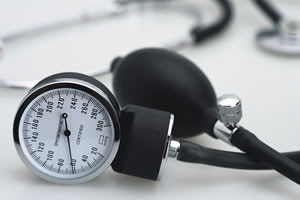
Trouble falling asleep linked to high blood pressure
High blood pressure is one of the many health risks associated with not getting enough sleep, which is often caused by insomnia, or difficulty falling or staying asleep. Although often considered a nighttime problem, some people with insomnia may be in a state of "hyperarousal" that also makes it hard for them to nod off during the day. Now, new research suggests that people with chronic insomnia who also have trouble napping face a higher risk of high blood pressure.
The study, in the March 2015 issue of Hypertension, included more than 200 people with chronic insomnia (defined as insomnia that lasts more than six months) and almost 100 normal sleepers. All underwent daytime nap tests, which measures how quickly a person falls asleep in a quiet environment during the day. People with chronic insomnia who took longer than 14 minutes to fall asleep during the nap studies had three times the risk of high blood pressure compared with normal sleepers, the researchers found. Treatments such as medications and biofeedback to help dampen hyperarousal may be best for people with this type of insomnia, they suggest, although more research is needed.

Lower stress, lower your blood pressure
You can't see your blood pressure or feel it, so you may wonder why this simple reading is so important. The answer is that when blood pressure is high, your heart is working overtime to pump blood through your body. This extra work can result in a weaker heart muscle and potential organ damage down the road. Your arteries also suffer when your blood pressure is high. The relentless pounding of the blood against the arterial walls causes them to become hard and narrow, potentially setting you up for stroke, kidney failure, and cardiovascular disease.
A healthy lifestyle — not smoking, losing excess weight, eating nutritious foods, and exercising regularly — is the cornerstone for preventing and treating hypertension.

Atrial fibrillation: Living with a common heart condition
Preventing stroke is the top priority if your heart is beating irregularly. A variety of options can control symptoms.
A flutter in the chest and a racing heartbeat could be just a passing cardiac blip, perhaps triggered by emotional stress or too much caffeine. But sometimes it's a sign of atrial fibrillation—the irregular quivering of the heart's upper chambers, or atria.
Ask the doctor: Pacemakers and MRI scans
Q. I have a pacemaker and was told to never have an MRI scan. Is there any way around that?
A. In the past, people with pacemakers were told never to have magnetic resonance imaging (MRI), but in certain cases it may be safe.

Ask the doctor: What is pericarditis?
Q. I had chest pains for a couple of days and thought I was having a heart attack. My doctor did an electrocardiogram and said I had pericarditis and that it was not serious. What exactly is pericarditis?
A. Pericarditis is inflammation of the pericardium, a protective, double-layered sac surrounding the heart. It has many different possible causes, including a virus or other infection, certain illnesses, an injury to the chest, radiation therapy for cancer, or a reaction to medications. Complications from bypass surgery or the insertion of a pacemaker are other possible triggers. But most of the time, the cause remains elusive.

Ask the doctor: Dizziness from blood pressure medications?
Q. I take several medicines to get my blood pressure under control, and they seem to do the job. However, I get dizzy at times. Is there anything I can do, other than stopping my medications?
A. Many people occasionally feel dizzy if they stand up too quickly, and the older you get, the more likely this will happen. When you're lying down or sitting, less blood pressure is needed to send sufficient blood to the brain. But as you stand, the pressure must rise to deliver adequate amounts. If that doesn't happen fast enough, your brain can't function as well as it should, and you feel dizzy. Moving from a lying or seated position to a standing position more slowly usually helps if this is the underlying reason.
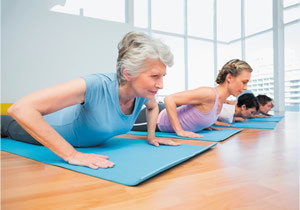
Yoga's health advantages may extend to the heart
New research suggests yoga may be as good as moderate exercise for lowering heart disease risk. Images: Thinkstock |
With its focus on body, mind, and breath, yoga shows promise for improving heart health.

The latest on cholesterol testing
Adults should have a blood lipid panel done at least every five years. |
Experts still advise getting regular blood lipid tests.
In late 2013, when the new national guidelines on managing cholesterol were released, many people wondered how the change would affect blood cholesterol testing. Also known as a lipid profile or lipid panel, the cholesterol test measures several different types of fats (lipids) in your bloodstream.

Smartphone apps for blood pressure: A clever choice?
Smartphone apps can remind you to measure your blood pressure and take your medication, which can help you better control the condition. |
Apps that track and chart your blood pressure may be useful. But for now, avoid those that use the phone as a measuring tool.
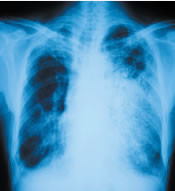
Heart attack risk rises after a bout of pneumonia
If you're hospitalized with pneumonia,your heart attack risk may rise in the following month. Image: Thinkstock |
If you're over 65, be sure to follow the latest pneumonia vaccine guidelines.
Each year, about a million people in the United States end up in the hospital with pneumonia, a serious lung infection that can be caused by an array of different viruses, bacteria, and even fungi. New research suggests that older people hospitalized with pneumonia face four times their usual risk of a having a heart attack or stroke or dying of heart disease in the month following the illness.
CoQ10: Should you take this popular supplement if you're on a statin?
Microplastics: A hidden health threat?
Oat vs. dairy milk: Nutrition, benefits, and downsides
What is tempeh? Benefits, nutrition, and how to use it
Healing after food poisoning
Children of centenarians may stay healthier and live longer too, study finds
Light exposure at night may raise risk for heart disease
Whole grains may improve several heart risk factors at once
A lumbar belt may help ease low back pain
Signs of pneumonia: Sometimes vague and unexpected
Free Healthbeat Signup
Get the latest in health news delivered to your inbox!
Sign Up
