

Healing after food poisoning

What is tempeh? Benefits, nutrition, and how to use it

Light exposure at night may raise risk for heart disease

Whole grains may improve several heart risk factors at once

A lumbar belt may help ease low back pain

Children of centenarians may stay healthier and live longer too, study finds

Signs of pneumonia: Sometimes vague and unexpected

The surprising link between ovarian cancer and the fallopian tubes

Using a vibration plate: What it can — and can't — do for your body

People who walk more or walk faster live longer, study finds
Balance Archive
Articles


Stay active, even with stiff ankles
Exercise and stretch daily to keep ankles flexible.
Ankle stiffness can do a number on your mobility. It can make it difficult to remain active or even get out of bed in the morning and walk across the room. "Motion restriction usually occurs more in the upward than downward direction, so it becomes harder to walk uphill, wear flat shoes, or keep feet pointed straight ahead," says Dr. Christopher DiGiovanni, chief of foot and ankle surgery at Harvard-affiliated Massachusetts General Hospital.
A tricky joint
The ankle is a vulnerable structure. It's made of the ends of the lower leg bones (the tibia and fibula), which hold the talus bone of the foot in between them. The joint is stabilized by ligaments and powered by muscles that work in concert to enable ankle and foot motion and accommodate uneven surfaces when you stand or walk.
Can exercise and diet help mild cognitive impairment?
News briefs
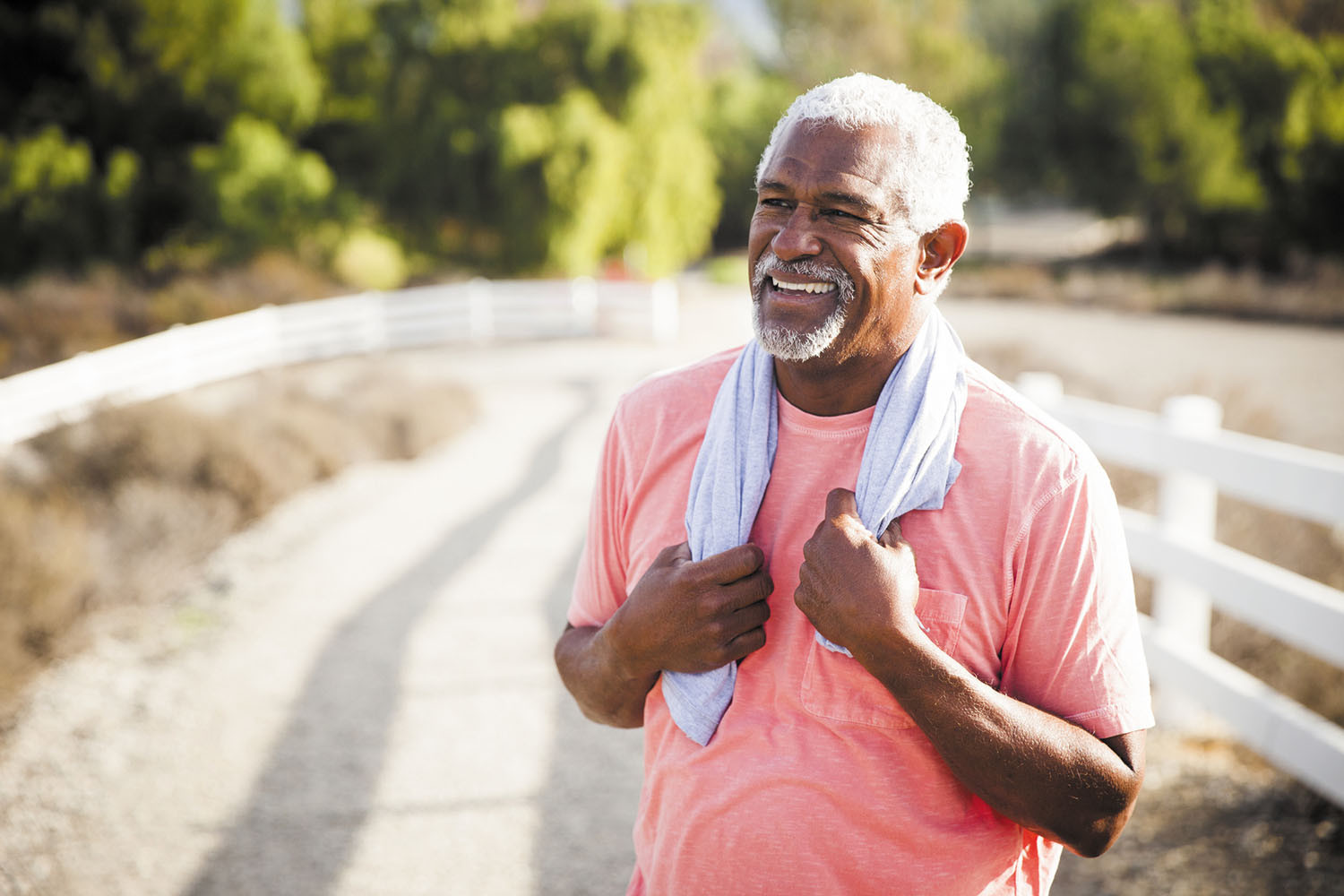
We often tell you about using aerobic exercise and a healthy diet to try to stave off dementia. But will those approaches help if you already have the slight but noticeable change in memory and thinking known as mild cognitive impairment (MCI)? A small randomized trial (the gold standard type of study) published online Dec. 19, 2018, by Neurology suggests the combination of diet and exercise may indeed help. Researchers studied 160 sedentary older adults who had MCI as well as one or more cardiovascular disease risk factors, such as high cholesterol. Participants were randomly assigned to do aerobic exercise, to follow a heart-healthy diet (the Dietary Approaches to Stop Hypertension, or DASH, diet), to do a combination of aerobic exercise and the DASH diet, or to just get weekly heart health education. After six months, people who just exercised several times a week got a little bump in executive function (thinking skills that help us plan and organize), but the biggest change was seen in people who both followed the DASH diet and did aerobic training three times a week. Their improved planning skills were equivalent to reversing nearly 10 years of brain aging, compared with study participants who didn't exercise or improve their diets. The findings demonstrate that it's never too late to start exercising and eating right.
Image: © adamkaz/Getty Images

A risky combination: Healthy weight but unhealthy activity level
News briefs
Many people think the only reason for regular exercise is that it helps you maintain a healthy weight. Not true. A sedentary lifestyle can cancel the potential heart benefits of weight control, according to a study published online Dec. 4, 2018, by the American Journal of Cardiology. Researchers looked at five years' worth of health survey responses and weight calculations from thousands of overweight and normal-weight people ages 40 to 79 who'd never had heart disease. Scientists noted the participants' amount of abdominal fat, waist size, and self-reported amounts of physical activity, then calculated everyone's cardiovascular disease risk. The results: 30% of sedentary people with a normal weight had about the same risk for a heart attack or stroke as people who were overweight. Sedentary adults whose weight was normal also had higher levels of belly fat, shortness of breath upon exertion, and an unhealthy waist circumference compared with normal-weight adults who exercised regularly. However, people with a normal weight who exercised at least 150 minutes per week were 58% less likely to have a heart attack than those in the study who were overweight.
Image: Halfpoint/iStock
How yoga may enhance heart health
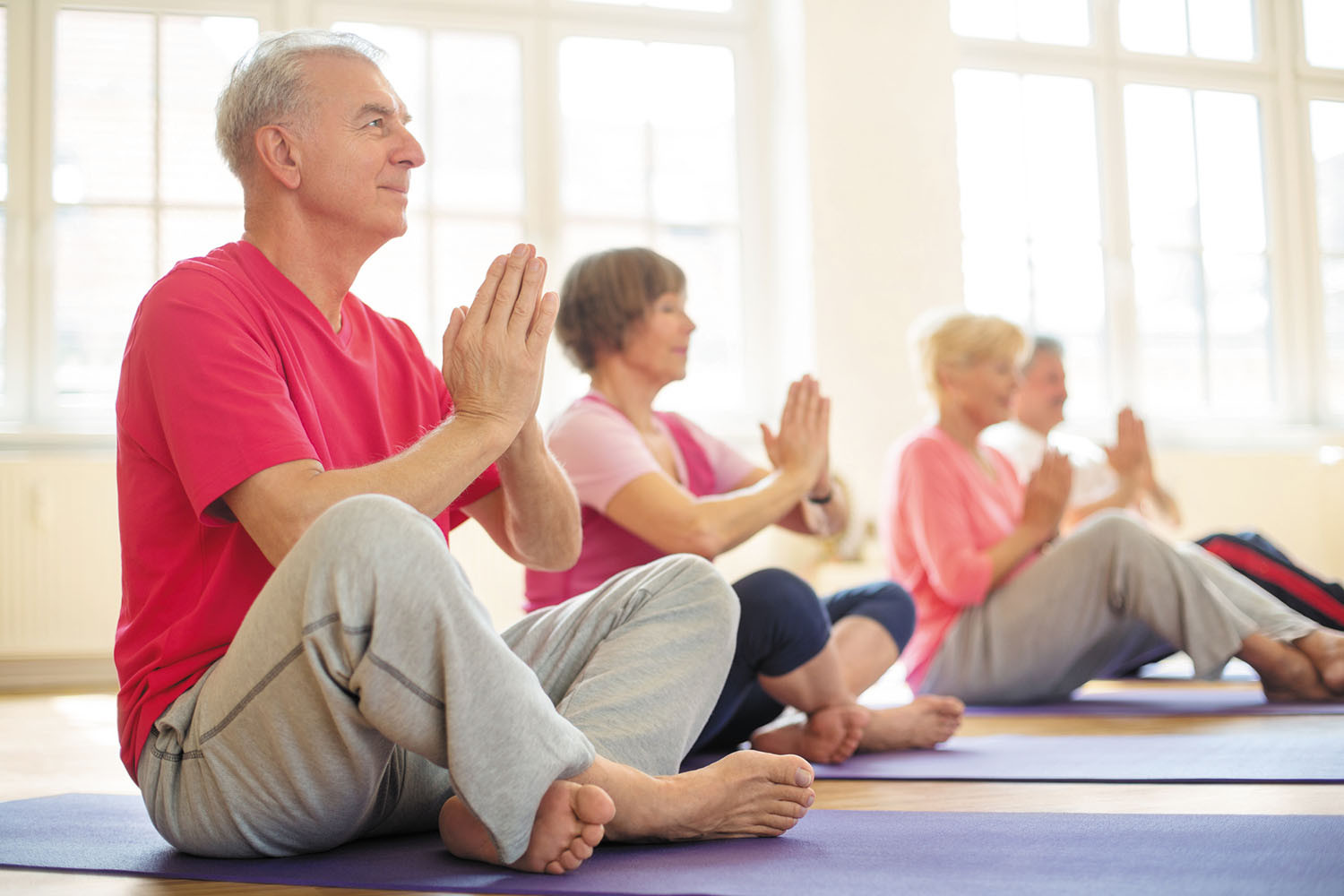
In addition to boosting fitness and easing stress, yoga may also help you embrace a healthier lifestyle.
Many people think of yoga mainly as an activity that promotes flexibility and balance. But this ancient tradition also includes breathing exercises, relaxation, and meditation. Together, these practices can lead to measurable improvements in factors connected with cardiovascular health, such as lower blood pressure, better sleep, and less artery-damaging inflammation.
"There are four distinct but interconnected areas in which yoga has specific benefits, not just for heart disease but any disease," says yoga researcher and neuroscientist Dr. Sat Bir Singh Khalsa, assistant professor of medicine at Harvard Medical School. Following are summaries of the four areas.

Walk your way to more flexible arteries?
Research we're watching
The more steps you take per day, the more flexible your arteries may be, a new study suggests. Elastic, flexible arteries are a sign of a healthy cardiovascular system, while stiff, inflexible arteries are a harbinger of heart disease.
Researchers pooled findings from 10 studies that measured people's daily step counts and their arterial stiffness, using a technique called pulse wave velocity. With every heartbeat, a wave of blood travels through the body's network of arteries. Measuring the speed of the pulse wave provides information about how stiff or how flexible the arteries are. The stiffer the arteries, the faster this wave travels.
The buzz about caffeine and health
What the latest science says about caffeine's influence on your heart, memory, sex life, and exercise performance.
Americans are jolted with caffeine. On average, about 80% of adults take some form of caffeine every day, according to the FDA, usually from coffee, tea, soda, or energy drinks.
But does all that caffeine have any effect on your health — either good or bad? "While caffeine can give you a temporary mental and physical boost, its impact depends on how much you consume and the source," says Dr. Stephen Juraschek, an internal medicine specialist at Harvard-affiliated Beth Israel Deaconess Medical Center.

The mental side of recovery
Dealing with the emotional effects from a physical setback can be a challenge. These three strategies can help.
The physical repercussions of a major health issue, like surgery, an injury, or a heart attack, are tough enough without having to also confront the stress, anxiety, and depression that often accompanies it. Yet managing your mental health is just as important as your physical health when it comes to making a full recovery.
"There is no question that your state of mind can dictate how quickly you can return from a physical setback," says Dr. Jeff Huffman, director of the cardiac psychiatry research program at Harvard-affiliated Massachusetts General Hospital.
No time to exercise? Then take five
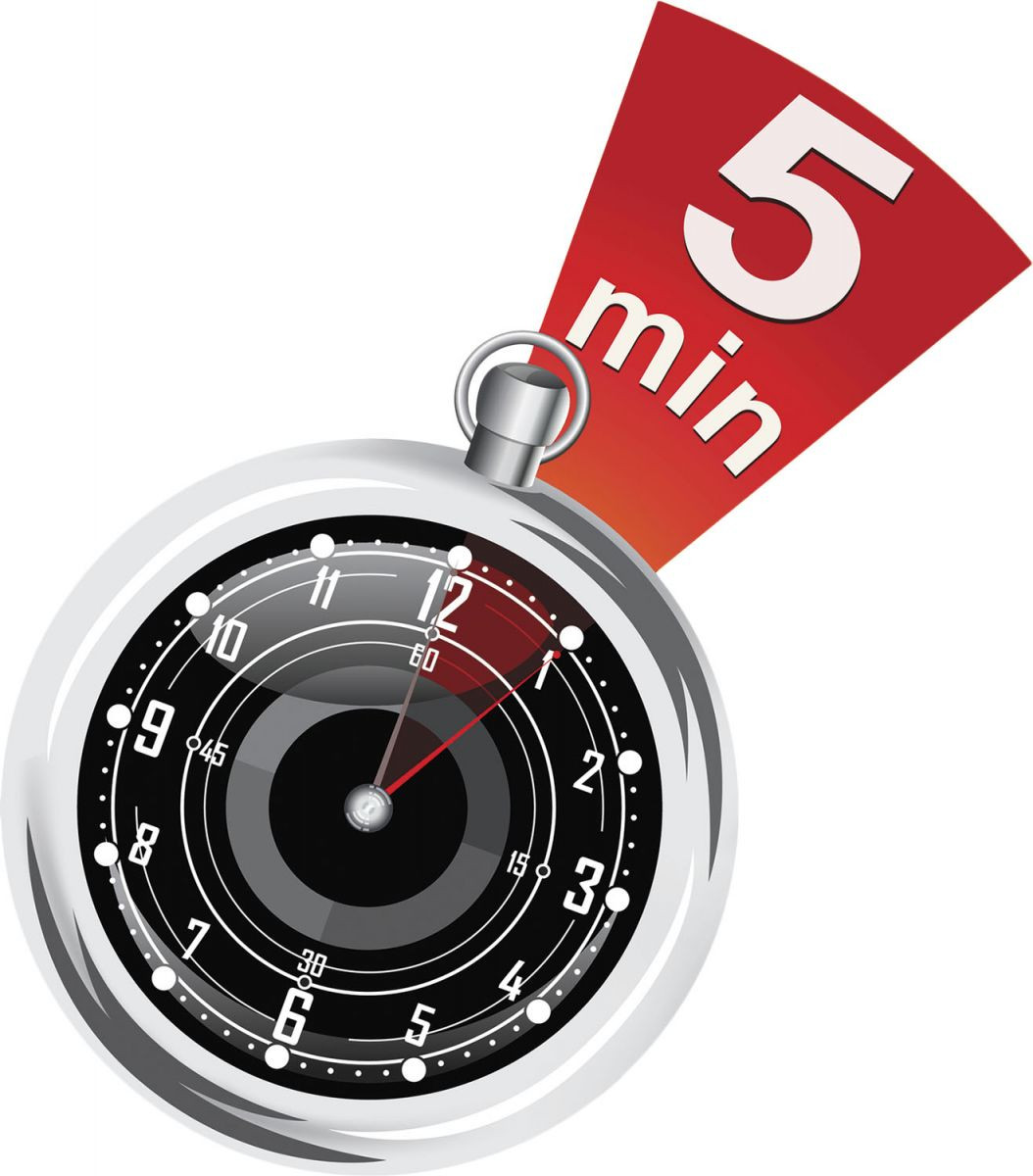
You can do an all-around workout in just five minutes if you focus on intensity and target the main muscle groups.
Growing evidence continues to show that high-intensity interval training (HIIT) offers similar — or in some cases even superior — results compared with longer, lower-intensity workouts. With HIIT, you exercise for a short burst at near-maximum effort followed by a brief rest period, and then you continue to repeat the cycle over the next 10 to 15 minutes.
Small workouts, big gains
The main advantage to HIIT is that it takes less time than the traditional workout of 20 to 30 minutes or longer.
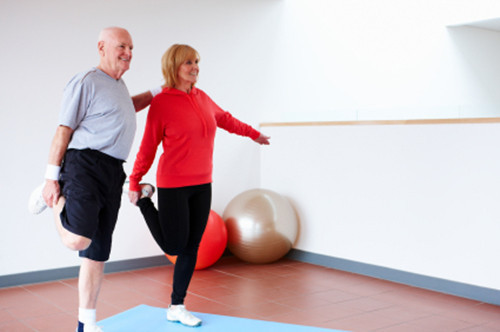
Balanced approach to fitness is key
A walking program is good for you; so is resistance or weight training; balance exercises help improve your athletic abilities and keep you independent.
The current U.S. physical activity guidelines emphasize all three aspects of fitness. Here are the recommendations:
Healing after food poisoning
What is tempeh? Benefits, nutrition, and how to use it
Light exposure at night may raise risk for heart disease
Whole grains may improve several heart risk factors at once
A lumbar belt may help ease low back pain
Children of centenarians may stay healthier and live longer too, study finds
Signs of pneumonia: Sometimes vague and unexpected
The surprising link between ovarian cancer and the fallopian tubes
Using a vibration plate: What it can — and can't — do for your body
People who walk more or walk faster live longer, study finds
Free Healthbeat Signup
Get the latest in health news delivered to your inbox!
Sign Up
