

Oat vs. dairy milk: Nutrition, benefits, and downsides

Microplastics: A hidden health threat?

Healing after food poisoning

What is tempeh? Benefits, nutrition, and how to use it

Light exposure at night may raise risk for heart disease

Whole grains may improve several heart risk factors at once

A lumbar belt may help ease low back pain

Children of centenarians may stay healthier and live longer too, study finds

Signs of pneumonia: Sometimes vague and unexpected

The surprising link between ovarian cancer and the fallopian tubes
Anxiety Archive
Articles
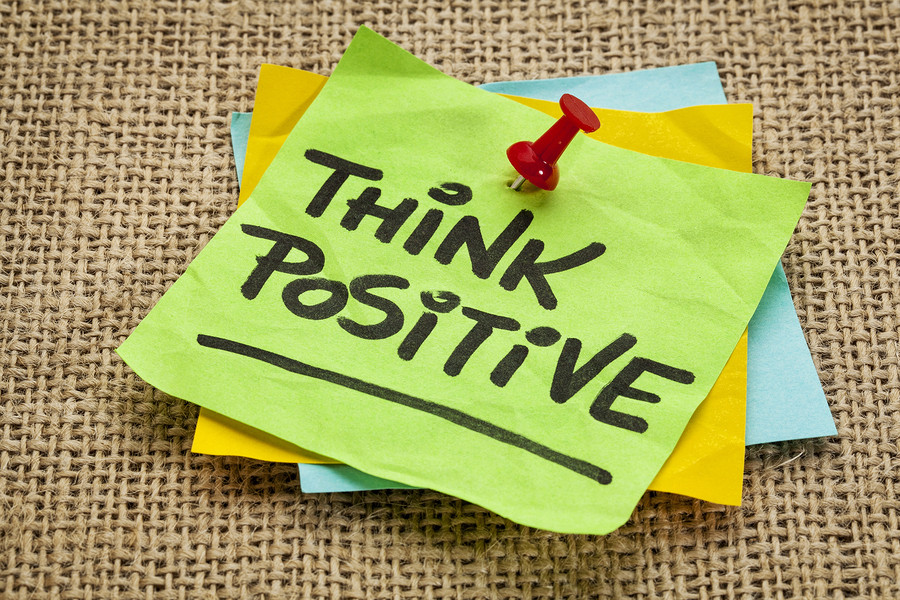
3 ways to harness positive psychology for a more resilient you
| Image: iStock |
Some intriguing research suggests that positive psychology can help you weather the routine ups and downs of life and also build resilience for times of greater difficulty.
Here are three ways to capture the benefits of positive psychology.

Vigorous exercise may counter cognitive decline in early Alzheimer's
Reports at the Alzheimer's Association International Conference in July 2015 verified that women are at higher risk than men for developing Alzheimer's, and also progress more rapidly from mild cognitive impairment to out-right dementia than men do. But not all the news was bad. A study reported at the meeting indicates that physical exercise can halt, and even reverse, the decline in people with mild cognitive impairment.
In that study, conducted by researchers at Wake Forest University in North Carolina, 65 previously sedentary women and men with mild cognitive impairment exercised at peak capacity for at least 45 minutes four times a week for six months. At the beginning and end of the study, researchers tested participants' cognitive skills and examined their blood and cerebrospinal fluid for levels of tau protein—a principal component of the amyloid plaques associated with Alzheimer's disease. They found that the participants scored significantly higher on the cognitive tests at the end of the study than they had at the beginning. Their tau protein levels had declined substantially as well.

Exercise: A promising treatment for dementia?
| Image: Thinkstock |
We know that moderate-intensity exercise, such as brisk walking, can both improve thinking skills and slow their decline in older age. Now a trio of studies presented at the July 2015 Alzheimer's Association International Conference suggest that aerobic exercise may even be able to help protect your brain from Alzheimer's and other dementias, and improve your quality of life if you have the disease. One study of 200 adults with Alzheimer's showed that those who engaged in three hour-long exercise sessions a week for 16 weeks had less anxiety, irritability, and depression and better mental speed and attention compared with those who didn't exercise. A study of 65 sedentary older adults with mild cognitive impairment showed that those who took part in 45 to 60 minutes of aerobic exercise four times a week for six months not only had better attention and planning skills, but also better blood flow to the brain and a reduction in dangerous proteins associated with Alzheimer's disease, compared with those who only did stretching exercises. A study of 71 older adults with cognitive impairment due to vascular disease found that those who did an hour of aerobic exercise three times per week for six months improved their thinking skills, memory, and attention compared with those who did not exercise. Although the studies were presented at a scientific meeting, it's only after publication of the full details that scientists can adequately judge a work. Nevertheless, the studies are in line with past research showing that regular exercise may help protect the brain.
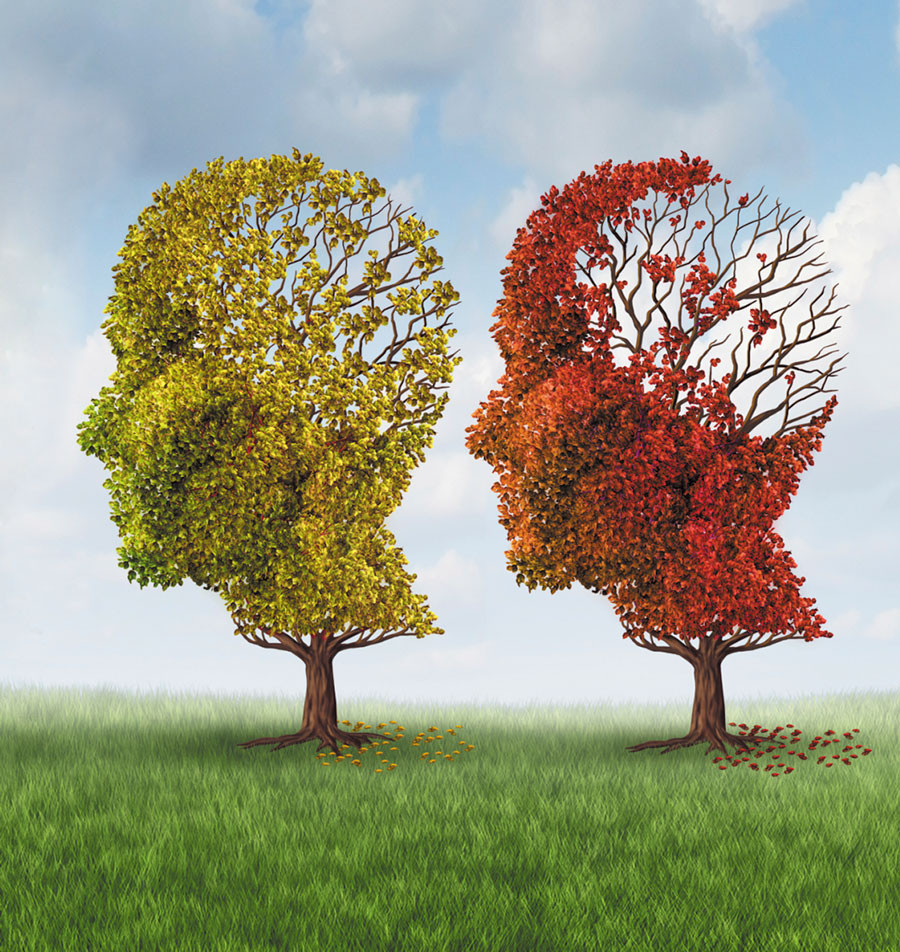
Savor the gifts of the aging mind
| Images: Thinkstock |
With aging, the body and mind change—but it's not all bad.
Aging brings physical changes and a greater risk of health problems—no one needs to tell you that. The mind changes too, and we grumble about things like increased forgetfulness. But the aging mind bestows some gifts, too.

Easing grief through religion and spirituality
There are many different ways to find comfort when grieving. Some people find that spirituality or organized religion is a source of great solace. Specific rituals and rites — whether sitting shiva, setting up an altar inside your home, or gathering at the cemetery once a year — can draw people together and encourage them to share their grief. Attending religious services can link you with a well-defined community primed to offer help of all sorts. And a kind word, a willing listener, a shared meal, and any number of large and small acts of assistance help keep people afloat and ease their distress after a death.
Religious or spiritual beliefs may also help by lending larger meaning to a loved one's life and death. For some, the belief that a loved one is enjoying the spiritual riches of heaven or preparing for the next turn of the wheel through reincarnation can be comforting. Believing your loved one helps guide you in this world or that you will be reunited in another place after your own death can help you continue to feel connected with the person.
Can brain stimulation aid memory and brain health?
| Image: Thinkstock |
The jury is still out, but magnetic fields or mild electric currents may aid learning and help several conditions that affect women in particular.
Stimulating your brain doesn't just mean spending an evening at the theater or reading a good book. These days it can involve sitting with your head against a magnet or wearing electrodes that transmit a low-voltage current through your scalp to activate—or suppress—certain neurons in your brain. The prospect of regulating brain signals responsible for mood, pain, and learning is so compelling that scores of studies are under way to see if, and how, the approach can be used to sharpen mental skills and treat symptoms of several mind-body disorders. "Brain stimulation, if used carefully and safely, looks promising, especially if combined with other therapies," says Dr. Daniel Press, a neurologist with the Berenson-Allen Center for Noninvasive Brain Stimulation at Harvard-affiliated Beth Israel Deaconess Medical Center. Dr. Press has used noninvasive brain stimulation for almost a decade.
Is thyroid hormone causing my recent mood changes?
Ask the doctor
Q. Recently, I felt very agitated and out of control, crying and angry about things I could ordinarily handle with ease. I was starting fights with my husband and others over relatively insignificant issues. I had been taking synthetic thyroid hormone for several decades and had very low levels of thyroid-stimulating hormone in my blood. I've stopped taking the hormone and feel better, but I feel bad about the way I snapped at my friends and family. Could thyroid hormone have been to blame for my behavior?
A. It could very well have been responsible. Low thyroid-stimulating hormone (TSH) levels mean that thyroid hormone levels are increasing. Anxiety, agitation, and restlessness are all signs of hyperthyroidism—an overactive thyroid gland or, in your case, too much thyroid hormone medication. You can let your husband and friends know that your irritability was probably caused by too high a dose of your prescription and not a permanent change in your disposition.
Too little — or too much — sleep linked to dementia risk
Participants in the Women's Health Initiative Memory Study (WHIMS) have provided a trove of information. They completed monthly questionnaires and underwent cognitive tests. Those who showed significant decline were also tested for dementia.
Recently, researchers analyzed data from 7,444 participants over 65. They had followed the women an average of seven years. Their report was published online June 15, 2015, by Alzheimer's & Dementia.
Could a vitamin or mineral deficiency be behind your fatigue?
The world moves at a hectic pace these days. If you feel like you're constantly running on empty, you're not alone. Many people say that they just don't have the energy they need to accomplish all they need to. Sometimes the cause of fatigue is obvious — for example, getting over the flu or falling short on sleep. Sometimes a vitamin deficiency is part of the problem. It might be worth asking your doctor to check a few vitamin levels, such as the three we've listed below.
- Iron. Anemia occurs when there aren't enough red blood cells to meet the body's need for oxygen, or when these cells don't carry enough of an important protein called hemoglobin. Fatigue is usually the first sign of anemia. A blood test to measure the number of red blood cells and amount of hemoglobin can tell if you have anemia. The first step in shoring up your body's iron supply is with iron-rich foods (such as red meat, eggs, rice, and beans) or, with your doctor's okay, over-the-counter supplements.
- Vitamin B12. Your body needs sufficient vitamin B12 in order to produce healthy red blood cells. So a deficiency in this vitamin can also cause anemia. The main sources of B12 are meat and dairy products, so many people get enough through diet alone. However, it becomes harder for the body to absorb B12 as you get older, and some illnesses (for example, inflammatory bowel disease) can also impair absorption. Many vegetarians and vegans become deficient in B12 because they don't eat meat or dairy. When B12 deficiency is diet-related, oral supplements and dietary changes to increase B12 intake usually do the trick. Other causes of B12 deficiency are usually treated with regular injections of vitamin B12.
- Vitamin D. A deficit of this vitamin can sap bone and muscle strength. This vitamin is unique in that your body can produce it when your skin is exposed to sunlight, but there also aren't many natural food sources of it. You can find it in some types of fish (such as tuna and salmon) and in fortified products such as milk, orange juice, and breakfast cereals. Supplements are another way to ensure you're getting enough vitamin D (note that the D3 form is easier to absorb than other forms of vitamin D).
For more ways to combat fatigue, buy Boosting Your Energy, a Special Health Report from Harvard Medical School.

Mediterranean diet: Good for your mind and your heart
Plant-based compounds known as polyphenols are plentiful in the Mediterranean diet, which may explain its health benefits. |
Extra-virgin olive oil and nuts seem to contribute to the benefits.
Oat vs. dairy milk: Nutrition, benefits, and downsides
Microplastics: A hidden health threat?
Healing after food poisoning
What is tempeh? Benefits, nutrition, and how to use it
Light exposure at night may raise risk for heart disease
Whole grains may improve several heart risk factors at once
A lumbar belt may help ease low back pain
Children of centenarians may stay healthier and live longer too, study finds
Signs of pneumonia: Sometimes vague and unexpected
The surprising link between ovarian cancer and the fallopian tubes
Free Healthbeat Signup
Get the latest in health news delivered to your inbox!
Sign Up
