

Naturally gluten-free foods

Harvard study: Healthier fats linked to longer life after prostate cancer diagnosis

Shingrix shingles vaccine linked with lower heart disease risks

Estrogen-only hormone therapy tied to lower dementia risk

Should you have a hysterectomy?

Stair climbing may significantly lower cardiovascular risks

Why do I sweat so much?

Walking pneumonia: The "mild" illness that can still pack a punch

What causes knee pain: How doctors make a diagnosis

Where you carry excess weight matters in predicting heart disease risk
Anti-inflammatory diets Archive
Articles

For weight loss, minimally processed diets beat ultra-processed versions
A 2025 study suggested that people can lose more weight by eating minimally processed foods rather than ultra-processed versions, even those typically considered healthy.
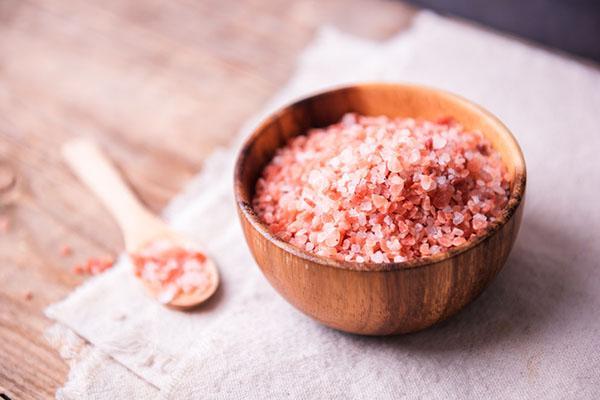
The salts of the earth
Culinary salts such as Himalayan pink salt, kosher salt, fleur de sel, and flaky sea salt can lend a delightful crunch or flavor to foods. However, they consist largely of sodium chloride, just like table salt, and are no healthier. Consuming too much sodium is tied to increased risks for damage to the heart, kidneys, and brain. Dietitians advise using only a small pinch of a fancy salt, perhaps as a garnish or condiment, to satisfy taste buds without going overboard with the salt shaker.
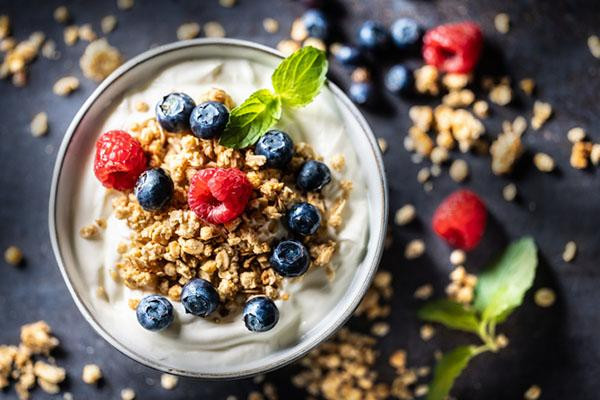
Skipping breakfast may increase risk for metabolic syndrome
In a 2025 study, skipping breakfast was associated with a 10% increased risk for metabolic syndrome, a disorder defined by having three or more of the following: abdominal obesity, high blood pressure, high blood sugar, high triglycerides, and low HDL cholesterol.

Eggs have less effect than saturated fats on cholesterol levels
A 2025 study found that eating large amounts of saturated fat raised LDL (andamp;ldquo;bad") cholesterol levels in the body but dietary cholesterol from eggs did not.

Ultra-processed foods linked to poor health outcomes
A 2025 study suggests that eating higher amounts of ultra-processed foods such as chips, frozen pizza, cereal, and other prepackaged items high in unhealthy fats, sugar, and sodium is linked to a host of health problems.
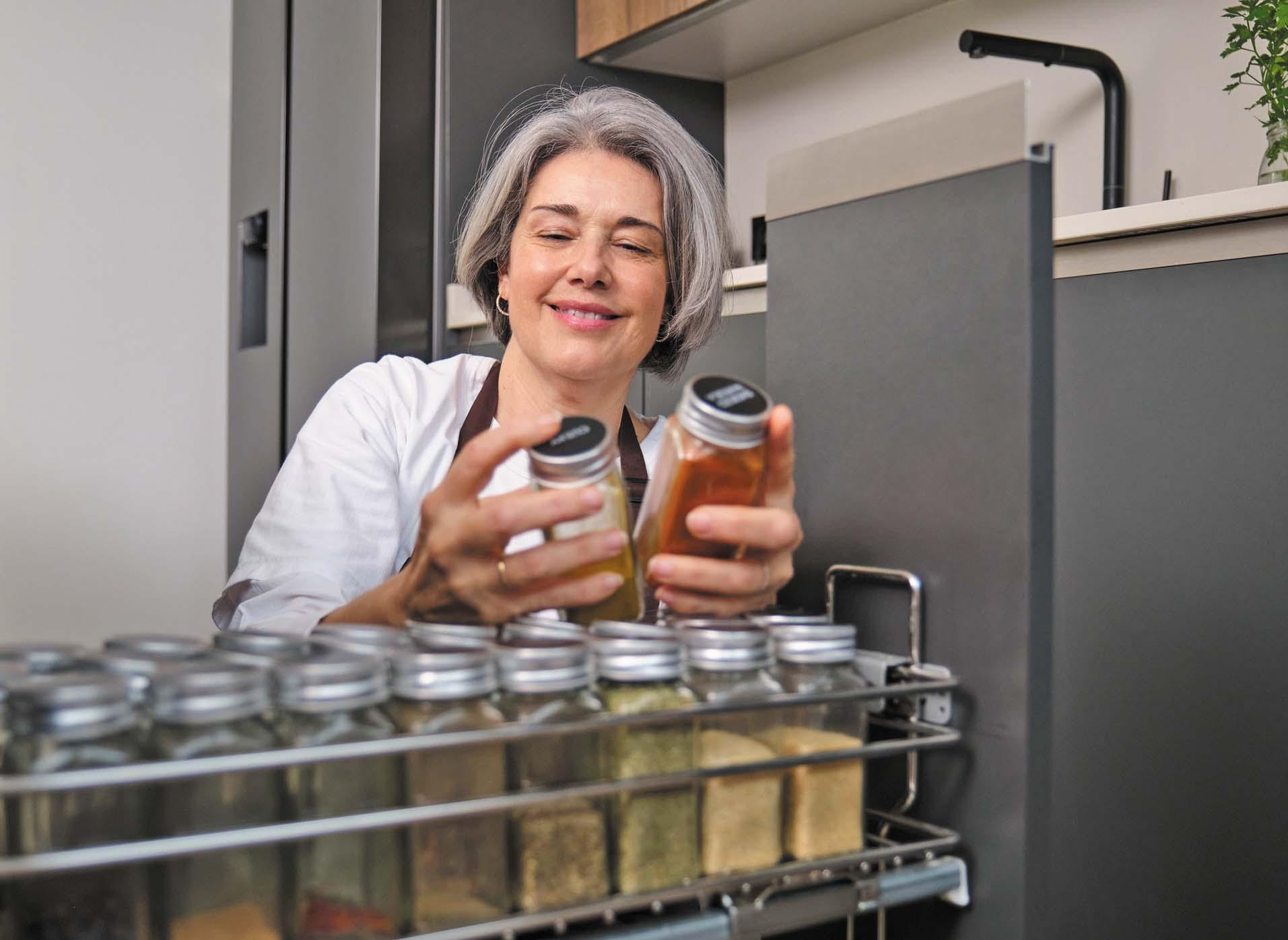
Spice up your holidays
Many spices inhibit damaging inflammation that can cause or worsen a variety of chronic diseases. Four beloved holiday spices-cinnamon, cloves, ginger, and turmeric-boast a variety of health benefits, but need to be used liberally to maximize the effects. People can challenge their palates to use more spices all year long by trying new recipes, testing spices in restaurant or ready-made meals, and bringing spice-laden dishes their ancestors once enjoyed to their own tables.

Can you take a break from healthy eating?
While a healthy eating plan is crucial for health, bending the rules on occasion probably won't hurt most people. One strategy to try is the 90-10 rule-eating healthy foods 90% of the time and splurging on unhealthy foods 10% of the time. For example, if someone eats three meals a day for a week, for a total of 21 meals, the person would be able to splurge on 10% (about two) of the meals. Dietitians warn that applying the 90-10 rule to every meal can lead to trouble, such as weight gain.
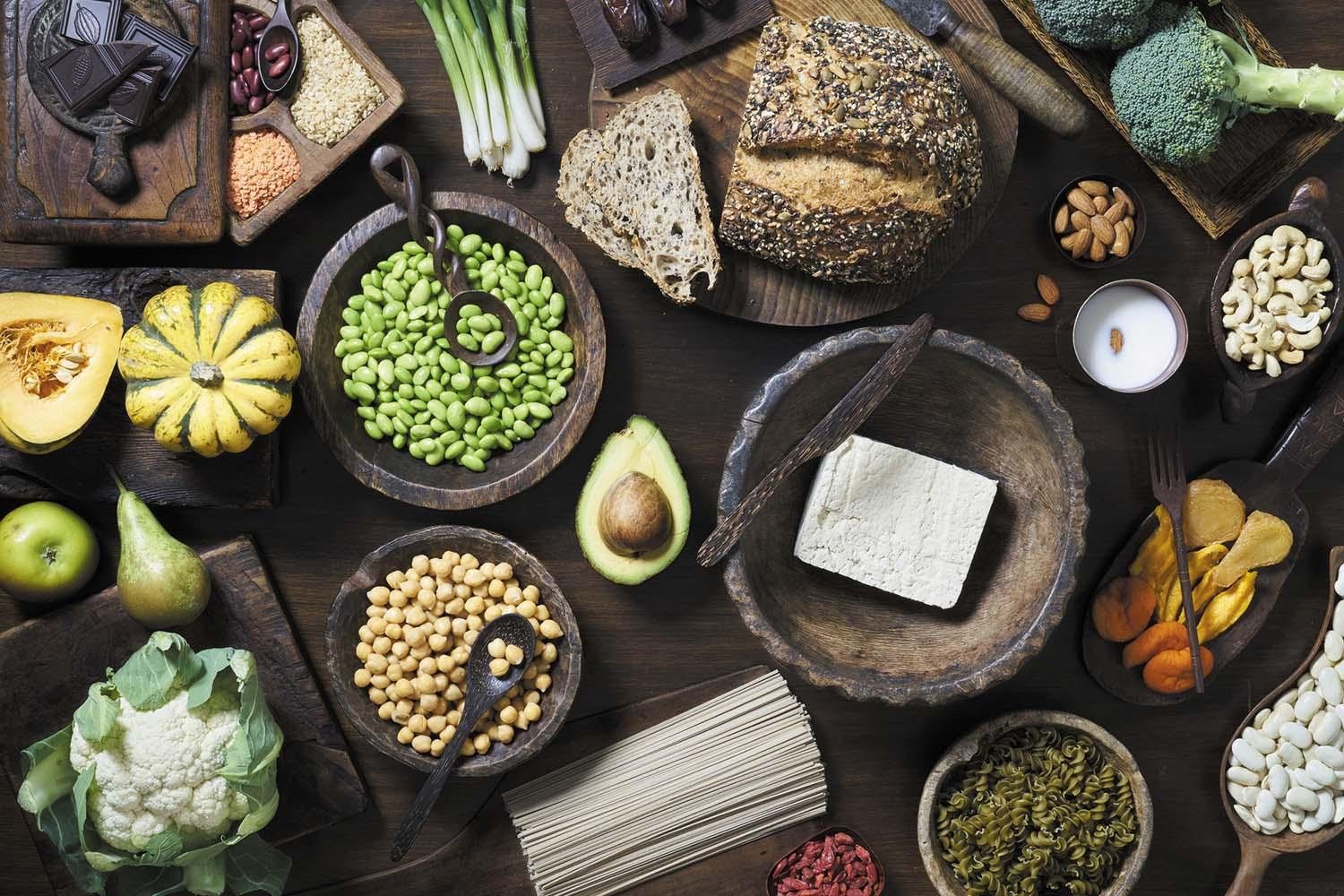
High-quality carbohydrates in midlife may keep women healthier as they age
A 2025 study suggests that women who eat more high-quality carbohydrates-which include whole grains, fruits, vegetables, and legumes-in their 40s and 50s are more likely to age healthfully.
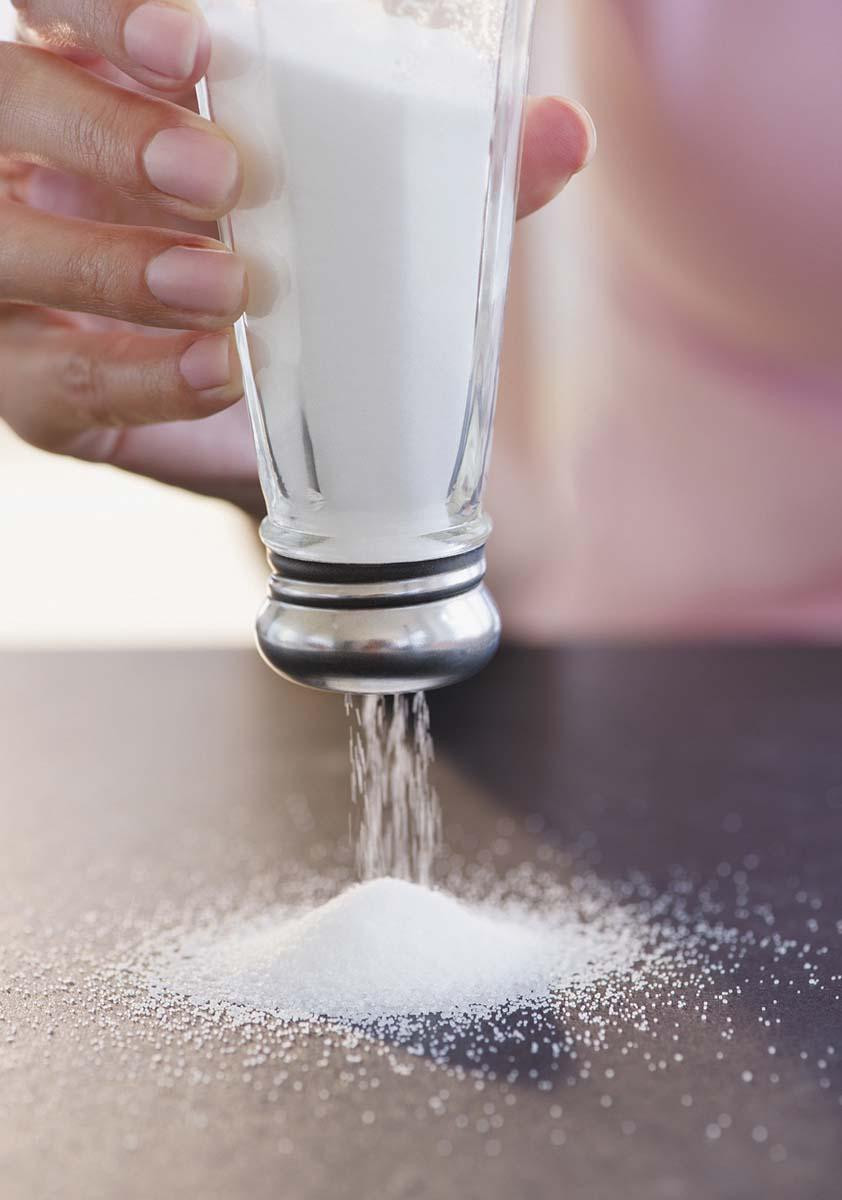
Shake the salt habit
Salt intake fuels high blood pressure, which is the top risk factor for cardiovascular disease. Sodium is hidden in many everyday foods, including bread, sauces, condiments, cereal, rice, pasta, and processed items such as canned soups, deli meats, and frozen meals. People can cut back on salt by reading food labels, rinsing canned goods, cooking at home more often, and using other seasonings instead.

6 new terms for healthy eating
The trend toward eating plant-rich diets has led to a number of new dietary terms and buzzwords. Examples include the terms "plant-forward," which describes the shift toward the gradual incorporation of more plant foods into the diet; "plant-based protein," used for foods that contain a high amount of protein, even some processed foods; and "sustainable eating," whichrefers to the big picture of food choices and how they can help sustain the environment, the planet, and health.
Naturally gluten-free foods
Harvard study: Healthier fats linked to longer life after prostate cancer diagnosis
Shingrix shingles vaccine linked with lower heart disease risks
Estrogen-only hormone therapy tied to lower dementia risk
Should you have a hysterectomy?
Stair climbing may significantly lower cardiovascular risks
Why do I sweat so much?
Walking pneumonia: The "mild" illness that can still pack a punch
What causes knee pain: How doctors make a diagnosis
Where you carry excess weight matters in predicting heart disease risk
Free Healthbeat Signup
Get the latest in health news delivered to your inbox!
Sign Up
