

Even a little exercise linked with lower stroke risk in people with afib

Testosterone therapy without evidence of deficiency may boost heart risk

Weight-loss drug may lower risk of heart attacks and infections

What to eat on the DASH diet

Migraine: How it's diagnosed and what that means

Tricep workouts you can do at home

Mindfulness practices to reduce stress and improve focus

Antihistamines may not offer meaningful relief from eczema symptoms

Overweight and taking blood pressure medications: Study finds it's a trend that's working

FDA approves first mRNA-based flu vaccine
Alzheimer's Archive
Articles

Brain-based devices: How well do they work?
Brain-based devices claim to offer all kinds of enhancements and improvements, but how can consumers interested in such a device separate legitimate science from mere hype?

Want to prevent dementia? Improve your everyday health habits
Research we're watching
The World Health Organization has some advice for people who want to reduce their risk of dementia — pay attention to your overall health. Specifically, the organization's new guidelines recommend regular exercise, maintaining a healthy weight, regulating blood sugar levels, and keeping cholesterol within recommended limits.
Experts also recommend giving up unhealthy habits, including drinking and smoking. In short, strategies that you already know are good for your heart and overall health are also good for your brain. Preventing dementia is a focus because it has become a growing health problem, which affects some 50 million people around the world. The WHO estimates that nearly 10 million people each year develop the condition.

How much sleep do we really need?
Ask the doctor
Q. How much sleep do we really need, and what happens if we get too little or too much?
A. We spend about a third of our lives sleeping, so you've asked an important question.

Skip vitamins, focus on lifestyle to avoid dementia
News briefs
Vitamins and supplements won't help stave off dementia, but a healthy lifestyle might, suggest new guidelines released May 19, 2019, by the World Health Organization (WHO). The WHO warns that the number of new dementia cases around the world — currently 10 million per year — is set to triple by 2050. While there's no cure for any kind of dementia (such as Alzheimer's disease and vascular dementia), the WHO says it may be possible to delay the onset of the disease or slow its progression. The key: managing modifiable risks, such as chronic disease and unhealthy habits. The guidelines recommend that you keep your weight, cholesterol, blood pressure, and blood sugar under control; get lots of exercise; and eat a Mediterranean-style diet (which emphasizes olive oil, fruits, vegetables, nuts, and fish; minimizes red meats and processed meats; and includes a moderate amount of cheese and wine). The WHO also advises that you don't smoke and you avoid harmful use of alcohol (no more than one drink per day for women, no more than two drinks for men). But don't count on supplements to help you stave off dementia. The WHO says there's no evidence that vitamin B, vitamin E, multivitamins, or fish oil supplements help reduce the risk for dementia. The agency recommends against using supplements as a means to ward off cognitive decline.
Image: © kali9/Getty Images

Get the facts about memory loss
Many conditions can affect your memory and thinking.
Dementia, Alzheimer's disease, mild cognitive impairment. These terms are often mentioned together to describe age-related memory loss. While they are linked in some ways, they are not necessarily the same, and they often affect people differently.
"Even though memory loss is more common as you age, it is not part of normal aging," says Dr. Gad Marshall, associate medical director of the Center for Alzheimer Research and Treatment at Harvard-affiliated Brigham and Women's Hospital. "Either sudden or gradual persistent changes in memory loss and mental lapses can be signs of more serious conditions."
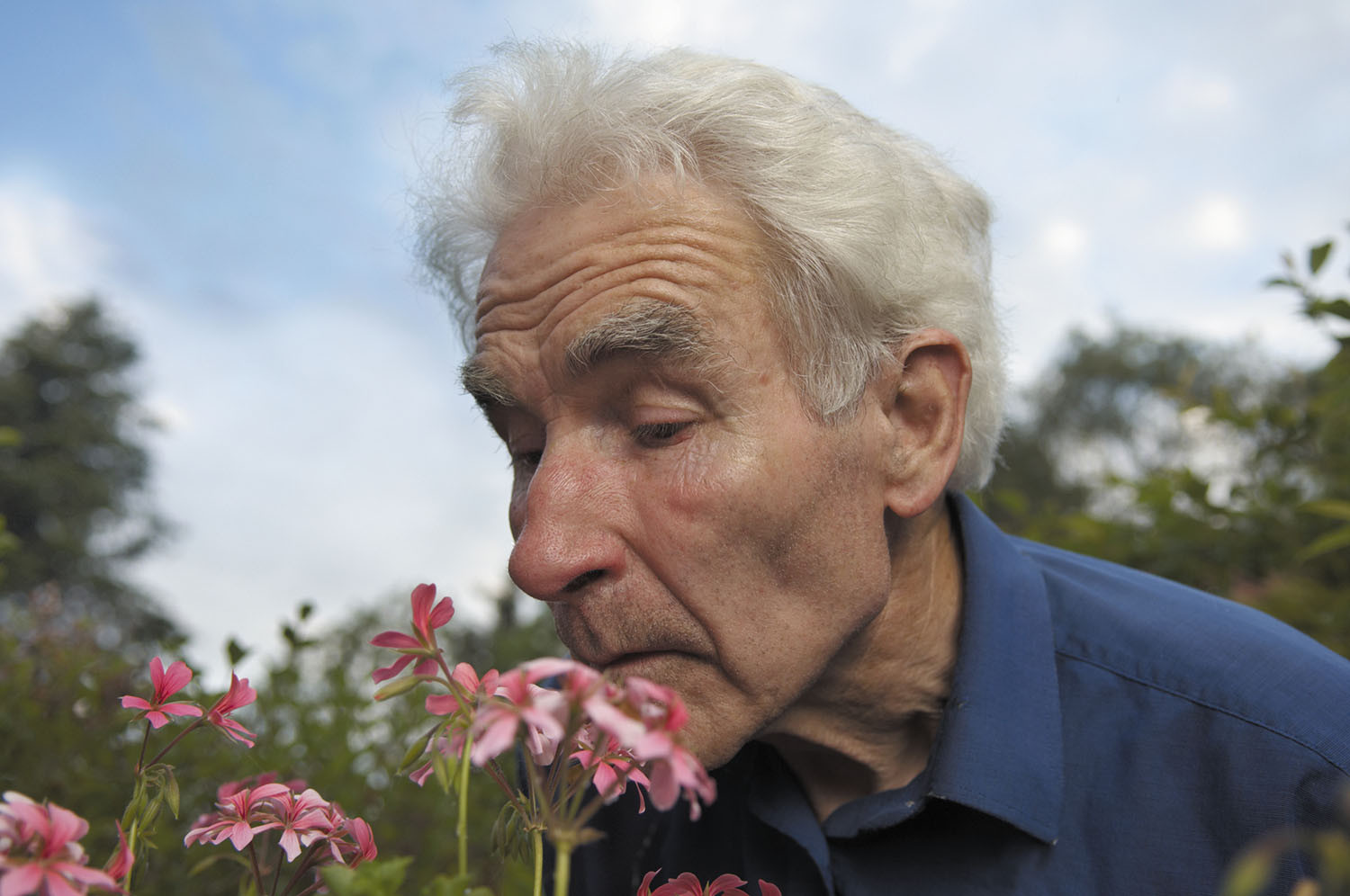
Poor sense of smell may predict risk of death in older adults
In the journals
Previous studies have shown a link between loss of smell among older adults and risk of death within a short period — often five years or less. Now, a report published online May 21, 2019, by Annals of Internal Medicine confirmed this increased risk of death over more than a decade, as well as identifying the leading causes of death.
Researchers gave smell identification tests to 2,289 adults ages 71 to 82 (about half of whom were men). They found that those who scored low on the smell test had a 46% higher risk of dying within 10 years, and 30% within 13 years, compared with those who had a stronger sense of smell.

What can you do to avoid Alzheimer’s disease?
How a healthy lifestyle can make a difference in Alzheimer’s prevention.
Alzheimer's disease, the most common form of dementia, is characterized by the accumulation of two types of protein in the brain: tangles (tau) and plaques (amyloid-beta). Eventually, Alzheimer's kills brain cells and takes people's lives.
Alzheimer’s causes
What causes Alzheimer's? We still aren't sure. "For 1% of all cases, there are three genes that determine definitively whether or not you will have Alzheimer's, and all three relate to amyloid-beta production, which in these cases is likely the cause of Alzheimer's," says Dr. Gad Marshall, associate medical director of clinical trials at the Center for Alzheimer Research and Treatment at Harvard-affiliated Brigham and Women's Hospital. "For the other 99%, amyloid and tau are closely associated with Alzheimer's, but many things may contribute to the development of symptoms, such as inflammation in the brain, vascular risk factors, and lifestyle."

Can exercise and diet help mild cognitive impairment?
News briefs
We often tell you about using aerobic exercise and a healthy diet to try to stave off dementia. But will those approaches help if you already have the slight but noticeable change in memory and thinking known as mild cognitive impairment (MCI)? A small randomized trial (the gold standard type of study) published online Dec. 19, 2018, by Neurology suggests the combination of diet and exercise may indeed help. Researchers studied 160 sedentary older adults who had MCI as well as one or more cardiovascular disease risk factors, such as high cholesterol. Participants were randomly assigned to do aerobic exercise, to follow a heart-healthy diet (the Dietary Approaches to Stop Hypertension, or DASH, diet), to do a combination of aerobic exercise and the DASH diet, or to just get weekly heart health education. After six months, people who just exercised several times a week got a little bump in executive function (thinking skills that help us plan and organize), but the biggest change was seen in people who both followed the DASH diet and did aerobic training three times a week. Their improved planning skills were equivalent to reversing nearly 10 years of brain aging, compared with study participants who didn't exercise or improve their diets. The findings demonstrate that it's never too late to start exercising and eating right.
Image: © adamkaz/Getty Images
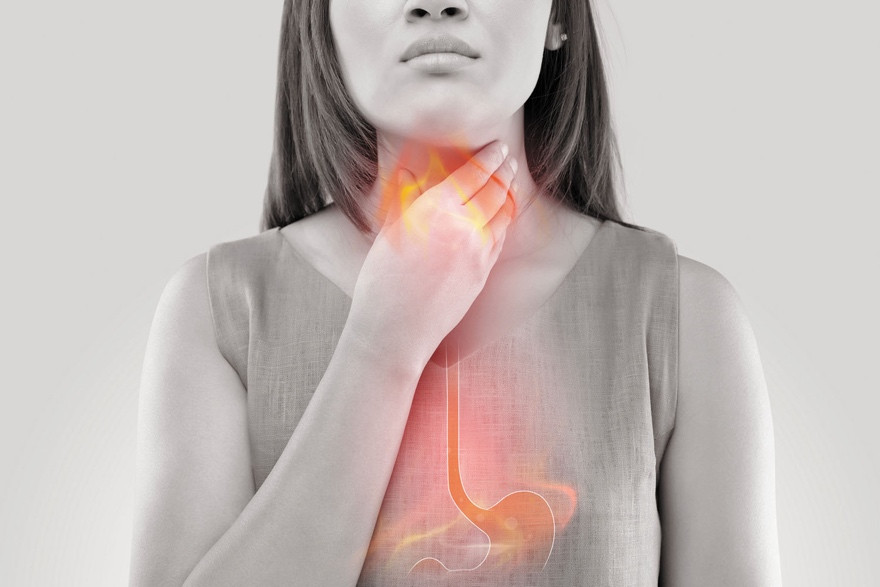
Feeling the burn? Antacids can provide some relief
But these remedies aren't the best choice if you have frequent heartburn.
You feel the familiar sensation in your chest: heartburn. Again, you find yourself reaching for the bottle of antacids in the medicine cabinet. It's something you've done a few times a week for the past six months. Is it okay to keep popping over-the-counter acid reducers, or is it time to see a doctor?
We asked two experts, Dr. Jennifer Nayor and Dr. Molly Linn Perencevich, both instructors in medicine at Harvard Medical School, for their thoughts on heartburn, including when it's okay to use over-the-counter antacids and when you should seek other treatments. Below are their responses.

Lessons about brain health from a landmark heart study
At 70 years and counting, the Framingham Heart Study continues to help doctors better understand stroke, dementia, and heart disease.
Image: © BHPix/Getty Images
In 1948, more than 5,200 people living in a town just west of Boston volunteered for what has evolved into the longest running and best-known study of the causes of heart disease. But the multigenerational Framingham Heart Study has also revealed important clues about brain disorders — most notably stroke but also cognitive decline and dementia (see "Framingham's brain health findings").
In the early 1960s, Framingham researchers coined the term "risk factor," which refers to a characteristic or exposure that raises a person's odds of developing a disease. Over the following decades, they uncovered many such factors for heart disease, including cigarette smoking, obesity, lack of physical activity, and high blood pressure. These habits and conditions also turned out to predispose people to stroke and dementia, thereby establishing that what harms the heart is also bad for the brain.
Even a little exercise linked with lower stroke risk in people with afib
Testosterone therapy without evidence of deficiency may boost heart risk
Weight-loss drug may lower risk of heart attacks and infections
What to eat on the DASH diet
Migraine: How it's diagnosed and what that means
Tricep workouts you can do at home
Mindfulness practices to reduce stress and improve focus
Antihistamines may not offer meaningful relief from eczema symptoms
Overweight and taking blood pressure medications: Study finds it's a trend that's working
FDA approves first mRNA-based flu vaccine
Free Healthbeat Signup
Get the latest in health news delivered to your inbox!
Sign Up
