

Even a little exercise linked with lower stroke risk in people with afib

Testosterone therapy without evidence of deficiency may boost heart risk

Weight-loss drug may lower risk of heart attacks and infections

What to eat on the DASH diet

Migraine: How it's diagnosed and what that means

Tricep workouts you can do at home

Mindfulness practices to reduce stress and improve focus

Antihistamines may not offer meaningful relief from eczema symptoms

Overweight and taking blood pressure medications: Study finds it's a trend that's working

FDA approves first mRNA-based flu vaccine
Alzheimer's Archive
Articles

Alzheimer's in the family
Dementia affects the person diagnosed but also raises fears for siblings and children. Here are the facts.
After a diagnosis of Alzheimer's disease, families face fears and difficult medical decisions.
Alzheimer's disease represents a personal health crisis, but it's also a family concern. What does it mean for your children or siblings if you are diagnosed with Alzheimer's? What does it mean for you if a close relative develops the condition?
Atrial fibrillation may increase your risk of dementia
Image: Valeriya/Thinkstock
In the journals
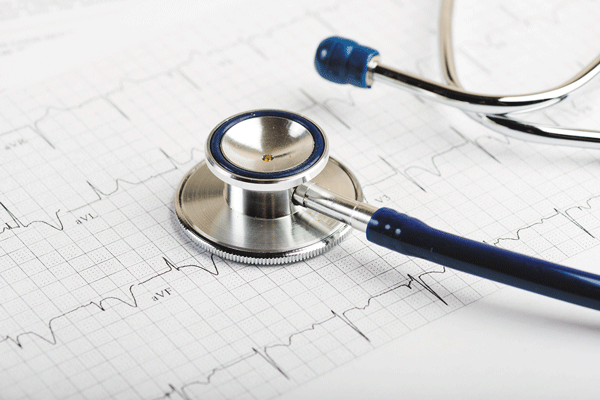
People with atrial fibrillation, or afib, a type of irregular heartbeat that is linked with stroke, also may have a greater risk of dementia than those without the condition, according to a study published online Oct. 10, 2018, by Neurology.
Researchers recorded medical data from 2,685 people, average age 73. None of them had dementia and 243 had afib. After nine years, another 279 people developed afib. The researchers found that people with afib showed a faster rate of decline in thinking and memory skills than those without the condition, and were 40% more likely to develop dementia.

Can your eyes see Alzheimer’s disease in your future?
Certain eye conditions offer clues to your chances of developing dementia.
It's long been said that the eyes are the windows to the soul, but can they also provide a view of your brain's future? Researchers increasingly say yes. Studies have identified links between common eye conditions and Alzheimer's disease and other forms of dementia.
One study, published in the July 2018 issue of Alzheimer's & Dementia, appeared to validate past findings that linked three eye diseases — glaucoma, age-related macular degeneration, and diabetic retinopathy — to an increased risk of Alzheimer's disease.

Daytime sleepiness may indicate a higher risk for Alzheimer’s disease
In the journals
Are you excessively sleepy during the day? If so, you may have a higher risk of Alzheimer's disease, according to a recent study published online Sept. 5, 2018, by the journal Sleep.
Scientists asked 124 healthy older adults, average age 60, about how often they felt drowsy or fell asleep during the day when they would rather be awake, as well as their napping habits. The group then had regular PET scans over the next 15 years to look for beta-amyloid in the brain, high amounts of which are a hallmark for Alzheimer's.

What’s good for your heart is good for your brain, even later in life
News briefs
Image: © Shuttermon/Getty Images
A French study published Aug. 21, 2018, in The Journal of the American Medical Association suggests that the more steps you take to boost your heart health, the lower your risk for developing dementia. Researchers evaluated health and lifestyle data for more than 6,000 men free of dementia and heart disease men in their 70s to see how they were doing when it came to following seven steps recommended by the American Heart Association: not smoking; controlling weight; getting regular physical activity; eating a healthy diet (that included fish twice a week or more, and fruits and vegetables at least three times per day); and maintaining healthy blood pressure, cholesterol, and blood sugar levels. Researchers also conducted psychological testing on participants at various times. After eight years, it appeared that men who followed five to seven of the healthy habits had the least risk (8%) for developing dementia during the study, compared with men who followed two or fewer habits (they had a 13% risk). The study was observational and doesn't prove that following heart-healthy habits will lower your dementia risk. But many other studies have made similar connections. The takeaway: It's not too late to try to prevent dementia.

Larger waist size in older adults linked with lower cognitive function
In the journals
Previous research has linked excess body fat with a higher risk of cognitive decline. In the past, most studies have gauged body fat based on body mass index (BMI). However, waist size may be a better way to predict possible cognitive impairment among older adults, according to a study in the Sept. 14, 2018, issue of the British Journal of Nutrition.
Researchers examined health data on 5,186 people ages 60 and older. They found that a larger waist size was associated with reduced performance in such mental abilities as attention and visuospatial skills (the ability to perceive the differences and similarities between objects). The study participants also scored lower on memory tests.

Does a virus cause Alzheimer’s?
Ask the doctor
Image: © Dr_Microbe/Getty Images
Q. I know that some viruses live permanently inside us, but only make trouble now and then. I even heard recently that they might be a cause of Alzheimer's disease. Why do they sometimes cause disease, and can we keep that from happening?
A. We live all of our lives with various microorganisms on us and inside us. One example is the herpes family of viruses. Out of more than a hundred herpesviruses, there are nine that infect humans. Once we get infected with these viruses — usually early in life — they remain with us, "asleep" inside some of our cells. But periodically, they "wake up" (reactivate), start producing multiple copies of themselves, and infect other cells. That's what's happening when a cold sore suddenly forms on your lip.

Blood pressure treatment might protect your brain
Research we're watching
Image: © mixetto/Getty Images
Aggressively treating high blood pressure might help ward off cognitive changes, according to findings presented at the Alzheimer's Association International Conference in July. Researchers from the Systolic Blood Pressure Intervention Trial compared two strategies to manage high blood pressure in more than 9,300 older adults (average age about 68). One strategy aims to achieve the standard treatment level for high systolic blood pressure (the first number in a blood pressure reading), keeping it under 140 mm Hg. The more aggressive strategy sets a goal of less than 120 mm Hg. The aggressive strategy reduced not only heart risks, but seemed to protect the brain.
People in the more aggressively controlled blood pressure group were 19% less likely than those in the standard treatment group to develop new cases of mild cognitive impairment (often a forerunner to dementia). They were also 15% less likely to develop any form of dementia or mild cognitive impairment. This study provides another reason to work with your doctor to reduce high blood pressure.

Looking for an earlier sign of Alzheimer’s disease
Subjective cognitive decline often appears before memory loss and other symptoms.
Recent research suggests that the brain changes leading to Alzheimer's disease begin many years before the onset of symptoms.
Most often the disease is not diagnosed until it exists in full force, so finding earlier changes in thinking or behavior may help scientists better understand this process.

Do common viruses play a role in Alzheimer’s disease?
Research we're watching
Image: © Reptile8488/Getty Images
A new study published online June 21 by the journal Neuron links two common viruses to Alzheimer's disease. Based on data from three brain banks, researchers found that the brains of people with Alzheimer's disease had up to twice the levels of two viruses — herpesviruses 6A and 7 — compared with the brains of people who did not have dementia. The virus genes also appeared to have interacted with the human DNA in cells in the brain in ways that might have affected Alzheimer's disease risk.
Infection with these herpesviruses is very common. Up to 90% of people may be exposed to these viruses in childhood. They cause, among other things, a mild infection known as roseola, which produces a rash and a fever.
Even a little exercise linked with lower stroke risk in people with afib
Testosterone therapy without evidence of deficiency may boost heart risk
Weight-loss drug may lower risk of heart attacks and infections
What to eat on the DASH diet
Migraine: How it's diagnosed and what that means
Tricep workouts you can do at home
Mindfulness practices to reduce stress and improve focus
Antihistamines may not offer meaningful relief from eczema symptoms
Overweight and taking blood pressure medications: Study finds it's a trend that's working
FDA approves first mRNA-based flu vaccine
Free Healthbeat Signup
Get the latest in health news delivered to your inbox!
Sign Up
