

Even a little exercise linked with lower stroke risk in people with afib

Testosterone therapy without evidence of deficiency may boost heart risk

Weight-loss drug may lower risk of heart attacks and infections

What to eat on the DASH diet

Migraine: How it's diagnosed and what that means

Tricep workouts you can do at home

Mindfulness practices to reduce stress and improve focus

Antihistamines may not offer meaningful relief from eczema symptoms

Overweight and taking blood pressure medications: Study finds it's a trend that's working

FDA approves first mRNA-based flu vaccine
Alzheimer's Archive
Articles

Does air pollution cause Alzheimer’s disease?
It has been known for some time that air pollution causes heart and lung diseases. Now, results from three different studies on populations in different parts of the world show an association between higher levels of air pollution and greater risk of cognitive impairment, dementia, and Alzheimer’s disease.

Can controlling blood pressure later in life reduce risk of dementia?
An analysis of multiple studies looking at the relationship between high blood pressure and cognitive health –– abilities like thinking, memory, and attention –– found that older people who lower high blood pressure are slightly less likely to develop cognitive impairment or dementia.

Blood test might reveal dementia
Research we're watching
Could a single blood test one day enable doctors to diagnose Alzheimer's disease? Researchers writing in the March 2 issue of Nature Medicine say they've made advances in this area. The blood test they developed measures the concentration of pTau181 — a form of the tau protein associated with brain changes in Alzheimer's disease — in the body's blood plasma. They used the test on samples collected from more than 400 people who were part of an ongoing -memory study.
The researchers found that the blood test was able to accurately detect which patients had Alzheimer's, which were healthy, and which had a different type of dementia caused by a neurodegenerative disease. Today, doctors typically diagnose Alzheimer's using a series of tests designed to rule out other causes, but the process is time-consuming and costly. The researchers are now aiming to refine the test further, in hopes that it will someday make it easier to detect Alzheimer's at an early stage, when the disease may be easier to treat.

Reducing your risk of changes in thinking following surgery
As more older people undergo surgeries, the risk of complications increases, including for cognitive decline following their procedures, particularly after cardiac surgery. But awareness and pre-planning with your care team can help you avoid such complications.

Testing for dementia
If you or someone else suspects early signs of memory loss, here's how you can find out if there's a problem.
There's no cure for dementia, and you cannot substantially reverse its effects, but there are ways to possibly slow its progression. But first, you need to know if you — or a loved one — may have a memory disorder. "Unfortunately, there is not one single test that confirms dementia while you are alive," says Dr. Julie Brody Magid, clinical director of the Harvard-affiliated McLean Hospital Memory Disorders Assessment Clinic. "The testing process is multilayered and takes many things into consideration. Going through this evaluation may help identify memory problems before they get worse."
Know the symptoms
Symptoms of dementia include memory loss, problem-solving difficulties, and language issues. Behavior and emotions also can be affected. Symptoms are often subtle early on, and then get progressively worse. They can increasingly interfere with daily life tasks, like remembering to attend appointments, take medication, or pay bills. People also may have trouble preparing meals or driving safely.

Strategies to support teens and young adults with autism spectrum disorder during COVID-19
The conditions imposed by the COVID-19 pandemic are challenging for all of us, but are especially difficult for teenagers with autism spectrum disorder and their families. Strategies to support teens and families living with ASD can help lessen the impact of the virus.

Larger waist size may point to dementia risk
In the journals
Older adults with a healthy weight but a large waistline could have a higher risk of developing dementia, according to a recent study.
Weight gain and obesity are known risk factors for dementia, and body mass index (BMI) is often used to estimate excess body fat. (BMI is a measure that takes into account both weight and height.)
Opportunities for growth: Transitions for youth with autism spectrum disorder
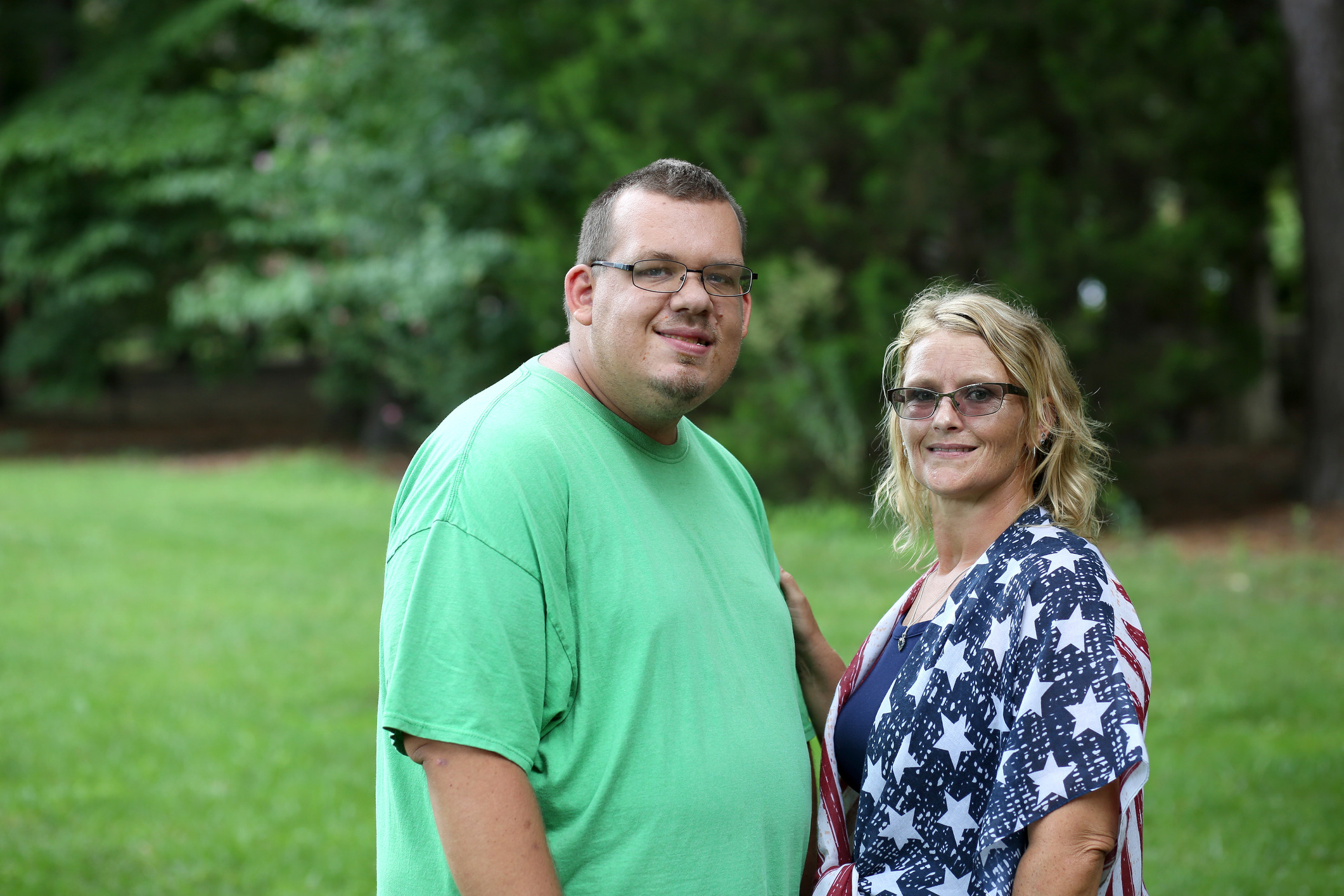
For young people with autism spectrum disorder, the transition from adolescence to adulthood is marked by changes in many areas of their lives. Healthcare providers and caregivers can make this transition smoother and help their patients meet these challenges.

What works best for treating depression and anxiety in dementia?
There is evidence that antidepressants are not effective in older people with dementia. Emerging research suggests that nondrug, psychosocial interventions are the most effective treatments for depression or anxiety in older adults with cognitive impairment.

The role of our minds in the avoidance of falls
In older people, the majority of falls occur when someone is standing or walking while also performing a separate cognitive or motor task. These tasks require more cognitive effort as we age, but focus and awareness can prevent falls from happening.
Even a little exercise linked with lower stroke risk in people with afib
Testosterone therapy without evidence of deficiency may boost heart risk
Weight-loss drug may lower risk of heart attacks and infections
What to eat on the DASH diet
Migraine: How it's diagnosed and what that means
Tricep workouts you can do at home
Mindfulness practices to reduce stress and improve focus
Antihistamines may not offer meaningful relief from eczema symptoms
Overweight and taking blood pressure medications: Study finds it's a trend that's working
FDA approves first mRNA-based flu vaccine
Free Healthbeat Signup
Get the latest in health news delivered to your inbox!
Sign Up
