

Even a little exercise linked with lower stroke risk in people with afib

Testosterone therapy without evidence of deficiency may boost heart risk

Weight-loss drug may lower risk of heart attacks and infections

What to eat on the DASH diet

Migraine: How it's diagnosed and what that means

Tricep workouts you can do at home

Mindfulness practices to reduce stress and improve focus

Antihistamines may not offer meaningful relief from eczema symptoms

Overweight and taking blood pressure medications: Study finds it's a trend that's working

FDA approves first mRNA-based flu vaccine
Alzheimer's Archive
Articles

Sleep, stress, or hormones? Brain fog during perimenopause

Is it dementia or something else?
Many cases of memory loss aren't related to dementia, but stem from other, treatable conditions.
You've been forgetting things lately — your keys, or maybe names. Sometimes you struggle to find the right word in conversations or repeat yourself to others. You may worry: are these signs of dementia?
If this sounds like you, you're not alone. Many people find their way into Dr. Tammy Hshieh's office wondering the same thing. But most of the time, it's not dementia causing their problems, says Dr. Hshieh, a geriatrician at Harvard-affiliated Brigham and Women's Hospital and Dana-Farber Cancer Institute and assistant professor of medicine at Harvard Medical School.
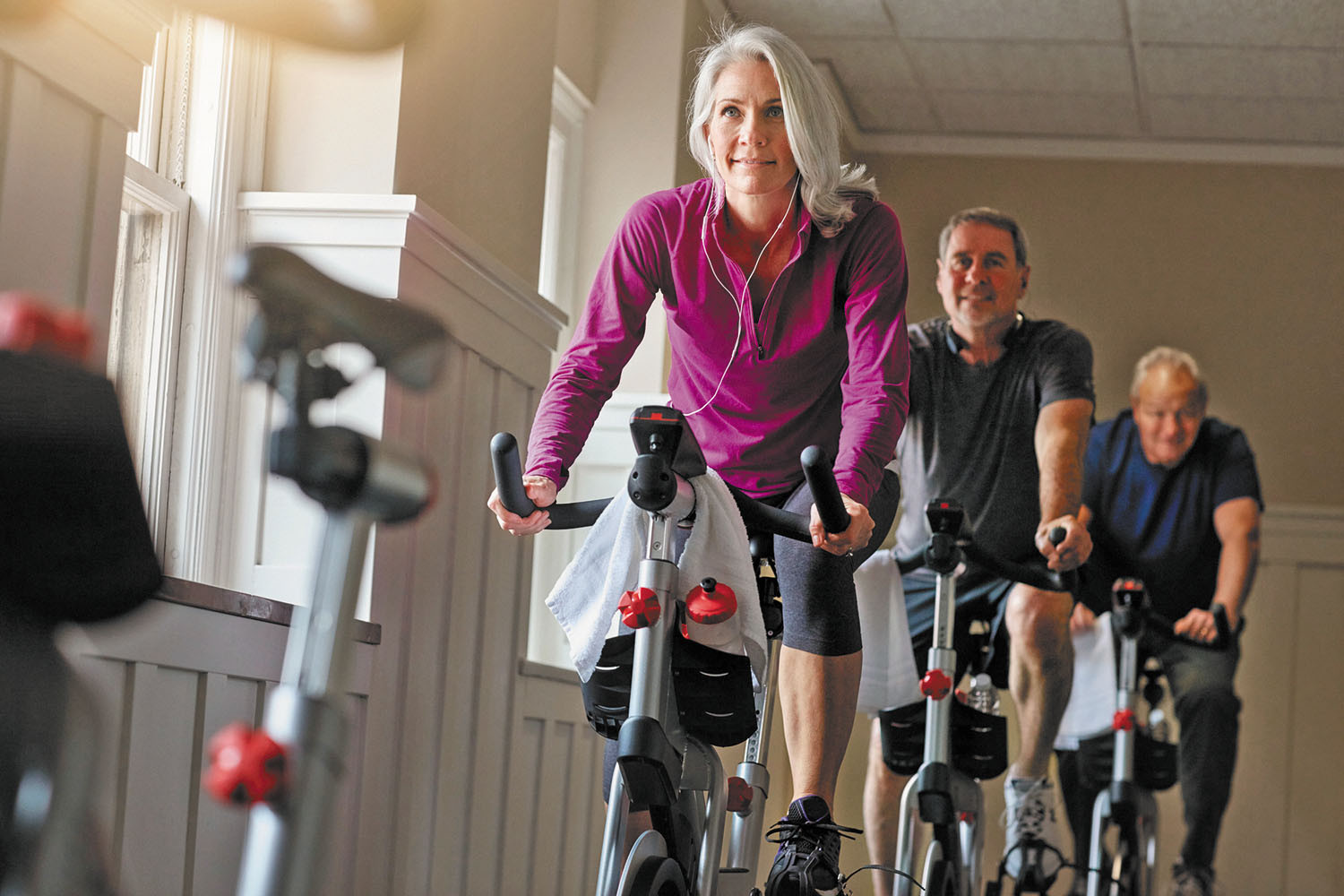
Staving off dementia when you have mild cognitive impairment
The shift from this condition to dementia is not necessarily inevitable.
Image: © gradyreese/Getty Images
Will I get dementia? That common question takes on urgency if you have mild cognitive impairment (MCI), a slight but noticeable change in memory and thinking skills. But the progression from MCI to dementia is not automatic. In fact, MCI is not always permanent. "It depends on the underlying cause," says Dr. Joel Salinas, a neurologist at Harvard-affiliated Massachusetts General Hospital.
What are the causes of MCI?
MCI is not dementia (see "What is dementia?"), but it's not normal thinking, either. It often stems from disease or treatments for disease, including

What is COVID-19 brain fog — and how can you clear it?
We’ve all experienced the feeling of sluggish, fuzzy thinking and a lack of sharpness, possibly caused by an illness or a medication. But what if that feeling didn’t go away and your thinking didn’t return to normal? That’s the situation for some people who have recovered from COVID-19, and there can be long-term effects on other organs as well.

The hidden long-term cognitive effects of COVID-19
it is becoming increasingly clear that COVID-19 affects the nervous system along with the respiratory system. Research is suggesting that this may result in long-term neurologic damage in those who survive a COVID infection, including evidence of effects on cognitive function.

Six steps to cognitive health
So how do you keep your brain healthy, stay cognitively fit, and build your cognitive reserve? It's easier for some people than for others. And though genetics set the stage for your brain health, you can do something to improve your brain health and cognitive fitness.
First it is important to remember that you need a healthy body to have a healthy brain. Therefore, ensuring your brain health depends upon regularly seeing your doctor, following her or his recommendations, and managing any health conditions you have.

Protect your brain from stress
Stress management may reduce health problems linked to stress, which include cognitive problems and a higher risk for Alzheimer's disease and dementia.
Image: © iMrSquid/Getty Images
It's not uncommon to feel disorganized and forgetful when you're under a lot of stress. But over the long term, stress may actually change your brain in ways that affect your memory.
Studies in both animals and people show pretty clearly that stress can affect how the brain functions, says Dr. Kerry Ressler, chief scientific officer at McLean Hospital and professor of psychiatry at Harvard Medical School. Scientists have seen changes in how the brain processes information when people experience either real-life stress or stress manufactured in a research setting. (For the latter, researchers might challenge subjects to perform a difficult task, such as counting backward from the number 1,073 by 13s while being graded.) Either type of stress seems to interfere with cognition, attention, and memory, he says.

Forgetfulness — 7 types of normal memory problems
Forgetting things? Memory problems are more common than you think
It's normal to forget things from time to time, and it's normal to become somewhat more forgetful as you age. But how much forgetfulness is too much? How can you tell whether your memory lapses are normal forgetfulness and within the scope of normal aging or are a symptom of something more serious?
Healthy people can experience memory loss or memory distortion at any age. Some of these memory flaws become more pronounced with age, but — unless they are extreme and persistent — they are not considered indicators of Alzheimer's or other memory-impairing illnesses.

Harvard study: Unapproved drugs in brain-boosting supplements

General anesthesia does not appear to increase dementia risk
In the journals
Because older adults often experience temporary changes in memory and thinking after having general anesthesia, they may worry that it increases their risk of dementia. A recent study should help put their minds at ease. Researchers found no association between the type of anesthesia and dementia risk, according to findings published online Oct. 6, 2020, by the Journal of the American Geriatrics Society.
The study looked at almost 7,500 people ages 66 or older without diagnosed dementia who underwent surgery requiring either general anesthesia (where you are unconscious) or regional anesthesia (where you are awake and the surgical area is numbed). The researchers included only people who had not had any previous surgery and stopped assessing those who had a second surgery later.
Even a little exercise linked with lower stroke risk in people with afib
Testosterone therapy without evidence of deficiency may boost heart risk
Weight-loss drug may lower risk of heart attacks and infections
What to eat on the DASH diet
Migraine: How it's diagnosed and what that means
Tricep workouts you can do at home
Mindfulness practices to reduce stress and improve focus
Antihistamines may not offer meaningful relief from eczema symptoms
Overweight and taking blood pressure medications: Study finds it's a trend that's working
FDA approves first mRNA-based flu vaccine
Free Healthbeat Signup
Get the latest in health news delivered to your inbox!
Sign Up
