

CoQ10: Should you take this popular supplement if you're on a statin?

Oat vs. dairy milk: Nutrition, benefits, and downsides

Microplastics: A hidden health threat?

Healing after food poisoning

What is tempeh? Benefits, nutrition, and how to use it

Light exposure at night may raise risk for heart disease

Whole grains may improve several heart risk factors at once

A lumbar belt may help ease low back pain

Children of centenarians may stay healthier and live longer too, study finds

Signs of pneumonia: Sometimes vague and unexpected
Alzheimer's Disease Archive
Articles

Protect your brain from stress
Stress management may reduce health problems linked to stress, which include cognitive problems and a higher risk for Alzheimer's disease and dementia.
Image: © iMrSquid/Getty Images
It's not uncommon to feel disorganized and forgetful when you're under a lot of stress. But over the long term, stress may actually change your brain in ways that affect your memory.
Studies in both animals and people show pretty clearly that stress can affect how the brain functions, says Dr. Kerry Ressler, chief scientific officer at McLean Hospital and professor of psychiatry at Harvard Medical School. Scientists have seen changes in how the brain processes information when people experience either real-life stress or stress manufactured in a research setting. (For the latter, researchers might challenge subjects to perform a difficult task, such as counting backward from the number 1,073 by 13s while being graded.) Either type of stress seems to interfere with cognition, attention, and memory, he says.


Avoiding the pain of kidney stones
If you've had a stone, the problem is likely to recur — but it doesn't have to. Use these strategies for prevention.
The pain associated with kidney stones has been described by some as more excruciating than childbirth. Kidney stones are small, hard stones, formed when high levels of minerals in your urine start to crystallize in your kidneys, forming a pebble-like mass. The pain comes when these stones migrate from your kidneys through the ureters, which are the narrow tubes that carry urine from your kidneys into your bladder.
"Kidney stone pain is not subtle," says Dr. Gary Curhan, a professor of epidemiology at the Harvard T.H. Chan School of Public Health. It typically starts in the flank, at the side of the lower back. Sometimes if the stone moves, the pain migrates to the front of the body.

How meditation helps with depression
A regular practice can help your brain better manage stress and anxiety that can trigger depression.
Image: © skynesher/Getty Images
Depression continues to be a major health issue for older adults. It affects about 20% of adults ages 65 and older, and regular depression can lead to higher risks for heart disease and death from illnesses. It also affects people's daily lives by making them more socially isolated and affecting cognitive function, especially memory.
In fact, a study of 1,111 people (average age 71), published online May 9, 2018, by Neurology, found that those who had greater symptoms of depression also had worse episodic memory — the ability to recall specific experiences and events.

Is fibromyalgia real?
Ask the doctors
Q. My friend was recently diagnosed with fibromyalgia, but it seems like she might be imagining her symptoms. Is fibromyalgia a real condition?
A. The short answer to your question is yes. Fibromyalgia is a real condition that affects some four million Americans. It's a chronic pain syndrome that experts believe may be caused by a malfunctioning nervous system. Researchers using magnetic resonance imaging to examine the brains of people with fibromyalgia have found abnormalities in the part of the brain that processes pain signals from the body. It appears that this part of the brain is essentially boosting the intensity of normal pain signals, potentially causing the body to feel pain without a physical cause.

Can you boost your memory by walking backward?
A study shows that moving in reverse may help with short-term memory.
Lost your car keys? Instead of retracing your steps, you might want to try walking backward to jog your memory.
A study published in the January issue of Cognition found that people who walked backward, imagined they were walking backward, or even watched a video simulating backward motion had better recall of past events than those who walked forward or sat still.
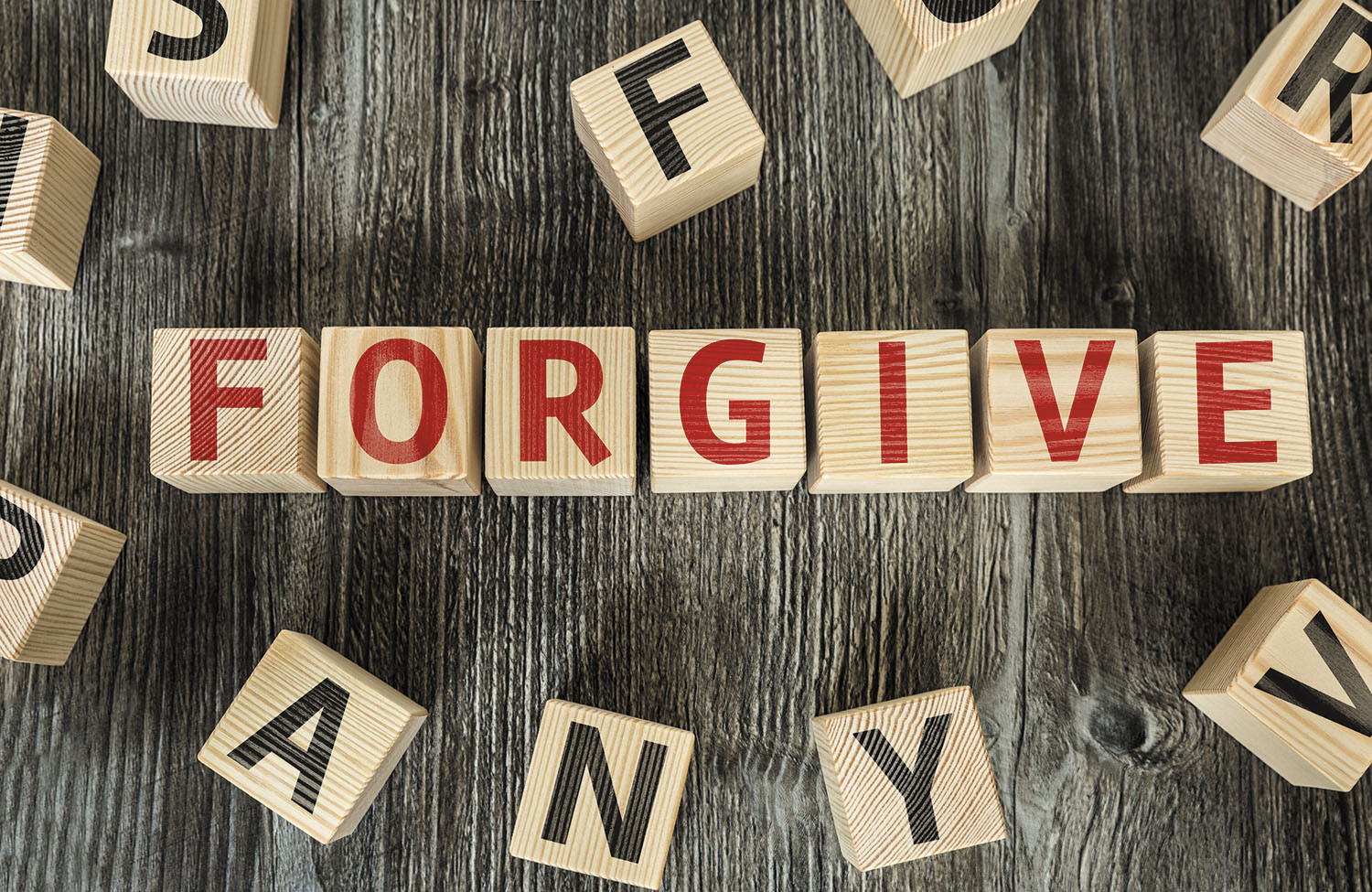
The power of forgiveness
The REACH method teaches how to overcome lingering bad feelings toward someone who did you wrong.
Almost everyone has experienced being wronged by someone. It could be a former co-worker, friend, or family member. But hanging on to those negative feelings can do great harm to your health.
"Forgiving a person who has wronged you is never easy, but dwelling on those events and reliving them over and over can fill your mind with negative thoughts and suppressed anger," says Dr. Tyler VanderWeele, co-director of the Initiative on Health, Religion, and Spirituality at the Harvard T.H. Chan School of Public Health. "Yet, when you learn to forgive, you are no longer trapped by the past actions of others and can finally feel free."

Forgetfulness — 7 types of normal memory problems
Forgetting things? Memory problems are more common than you think
It's normal to forget things from time to time, and it's normal to become somewhat more forgetful as you age. But how much forgetfulness is too much? How can you tell whether your memory lapses are normal forgetfulness and within the scope of normal aging or are a symptom of something more serious?
Healthy people can experience memory loss or memory distortion at any age. Some of these memory flaws become more pronounced with age, but — unless they are extreme and persistent — they are not considered indicators of Alzheimer's or other memory-impairing illnesses.
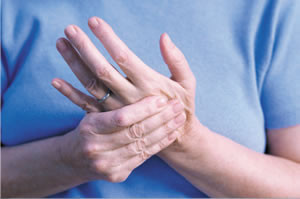
On call: What causes shaky hands?
Q . I've started to notice a slight shakiness in my writing hand. Is this just normal aging or should I get my shaky hands checked out?
A. If the shakiness is sudden or recent, you should talk to a doctor. It may be nothing serious—for example, just a reversible side effect from a medication or from too much caffeine. However, tremors could be an early sign of a more serious condition, like Parkinson's disease. In that case, you could benefit from early diagnosis and starting treatment.
CoQ10: Should you take this popular supplement if you're on a statin?
Oat vs. dairy milk: Nutrition, benefits, and downsides
Microplastics: A hidden health threat?
Healing after food poisoning
What is tempeh? Benefits, nutrition, and how to use it
Light exposure at night may raise risk for heart disease
Whole grains may improve several heart risk factors at once
A lumbar belt may help ease low back pain
Children of centenarians may stay healthier and live longer too, study finds
Signs of pneumonia: Sometimes vague and unexpected
Free Healthbeat Signup
Get the latest in health news delivered to your inbox!
Sign Up
