










Is it safe to dermaplane my face?
Ask the doctor
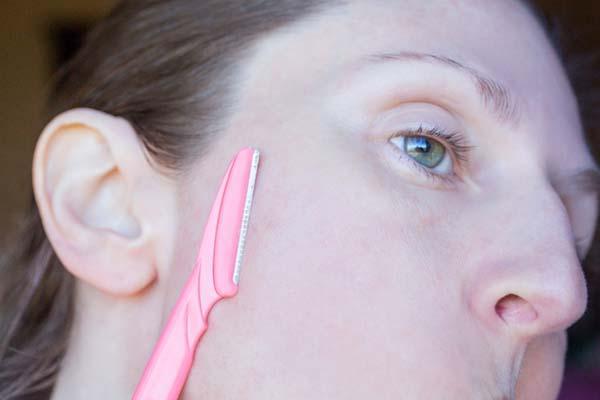
Q. I've got a lot of peach fuzz on my face, which makes me self-conscious. My friend told me I should try dermaplaning. But is it safe?
A. Dermaplaning has gained popularity as various "influencers" tout it on social media. While a variety of at-home gadgets are now available to perform it, all of them are essentially shaving the face. If it's done properly, dermaplaning can indeed get rid of pesky hairs, as well as remove dead skin cells that can dull the complexion.
All dermaplaning tools involve a type of razor or scalpel. Some are battery operated, while others are manual. Pulling skin upward until it's taut, you'll move the tool downward in short strokes with the razor at a 45° angle. Most people start on their face near the top of the ear and work their way down, avoiding their hairline, eye lids, and sides of the nose.
When done carefully, the technique is safe. Of course, as with any shaving method, you risk nicking the skin. But you can lower the odds of this happening by using a new, clean blade each time you dermaplane. Avoid acid- or retinol-based products for a few days afterward to minimize irritation. People with sensitive skin - or skin conditions such as rosacea, eczema, or acne - should avoid dermaplaning.
Image: © Jena Ardell/Getty Images
Disclaimer:
As a service to our readers, Harvard Health Publishing provides access to our library of archived content. Please note the date of last review or update on all articles.
No content on this site, regardless of date, should ever be used as a substitute for direct medical advice from your doctor or other qualified clinician.


