Could changing my diet ease restless legs syndrome?
Ask the doctor
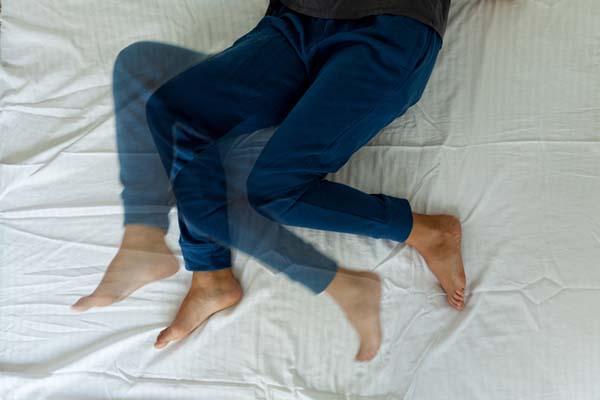
Q. I have restless legs syndrome. Can diet help?
A. We don't know what causes restless legs syndrome. But we do know that it causes unpleasant or painful sensations in the legs. This could include tingling, pulling, or crawling, along with an urge to move the legs.
A number of medications can help. However, treatment recommendations do not usually include changes in diet. So many doctors would answer "no" to your question.
But here are some things to keep in mind:
- Iron deficiency is a risk factor for restless legs syndrome, so if blood tests show iron deficiency, eating iron-rich foods might help. Examples include red meat, leafy green vegetables, and iron-fortified cereals. But most doctors would simply recommend an iron supplement. (And if your iron levels are low, your doctor may recommend testing to determine the cause of iron deficiency.)
- A few studies have found that celiac disease is more common among people with restless legs syndrome. For people with both celiac disease and restless legs syndrome, eliminating gluten from the diet might improve symptoms of both conditions. However, this approach has not been well studied.
- A study of more than 18,000 men found no connection between restless legs syndrome and quality of diet. But this study did not include a detailed analysis of the impact of specific foods on restless legs syndrome.
- Caffeine and alcohol may affect sleep quality. Poor sleep quality can make symptoms of restless legs syndrome worse. If you're willing, it may be worth a trial of cutting back or even eliminating both from your diet.
If you have restless legs syndrome, current evidence suggests that dietary changes are unlikely to have a major impact on your symptoms. But research regarding the connection is limited. Future research could change that.
Until then, watch your caffeine and alcohol intake. And talk with your doctor about being evaluated for iron deficiency, and perhaps for celiac disease.
Image: © bymuratdeniz/Getty Images
About the Author

Robert H. Shmerling, MD, Senior Faculty Editor, Harvard Health Publishing; Editorial Advisory Board Member, Harvard Health Publishing
Disclaimer:
As a service to our readers, Harvard Health Publishing provides access to our library of archived content. Please note the date of last review or update on all articles.
No content on this site, regardless of date, should ever be used as a substitute for direct medical advice from your doctor or other qualified clinician.