










For weight loss, minimally processed diets beat ultra-processed versions
Research we're watching
- Reviewed by Toni Golen, MD, Editor in Chief, Harvard Women's Health Watch; Editorial Advisory Board Member, Harvard Health Publishing; Contributor
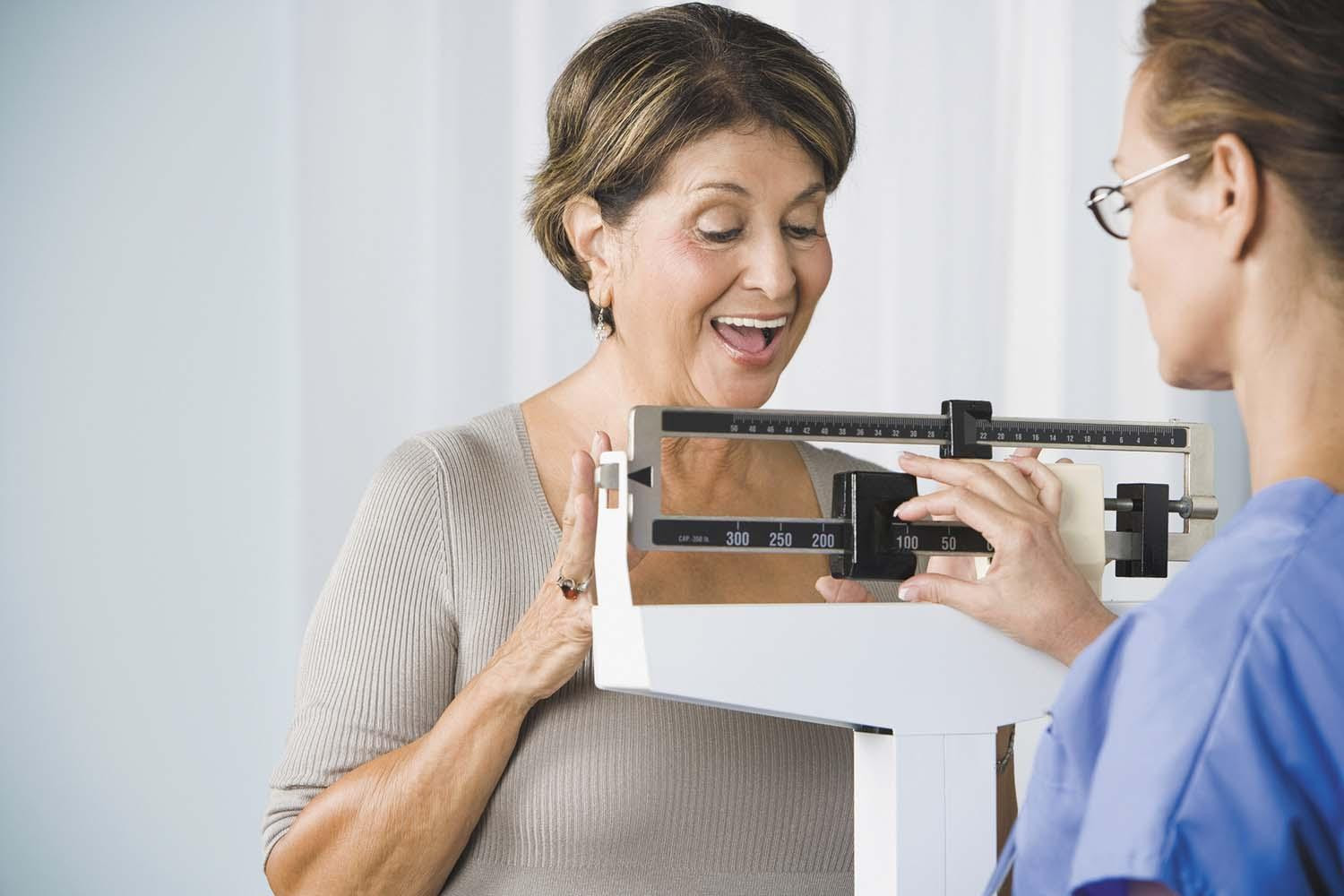
People can lose more weight by eating minimally processed foods rather than ultra-processed items, even those typically considered healthy, according to a study published online Aug. 4, 2025, by Nature Medicine.
British researchers provided 55 adults who were overweight or obese (average age 43, 91% women) with meals for two diets. One diet emphasized minimally processed foods such as fresh fruits, vegetables, whole grains, and unprocessed meats, while the other consisted of ultra-processed foods often considered healthy, such as whole-grain breakfast cereals, flavored yogurt, and protein bars. Half the participants followed the minimally processed diet for two months, their normal diets for one month, and then the ultra-processed diet for two months. The other half followed the diets in the opposite order. All participants could eat as much as they wished.
Most participants lost weight on both of the special diets, but they lost about twice as much weight - about 4 pounds, compared with 2 pounds - during the two months spent eating the minimally processed diet. Participants also lost more than twice as much body fat on the minimally processed diet than on the ultra-processed version, and reported feeling more in control of food cravings.
Image: © Terry Vine/Getty Images
About the Author

Maureen Salamon, Executive Editor, Harvard Women's Health Watch
About the Reviewer

Toni Golen, MD, Editor in Chief, Harvard Women's Health Watch; Editorial Advisory Board Member, Harvard Health Publishing; Contributor
Disclaimer:
As a service to our readers, Harvard Health Publishing provides access to our library of archived content. Please note the date of last review or update on all articles.
No content on this site, regardless of date, should ever be used as a substitute for direct medical advice from your doctor or other qualified clinician.


