








Why do my lips seem thinner than they used to be?
Ask the doctor
- Reviewed by Robert H. Shmerling, MD, Senior Faculty Editor, Harvard Health Publishing; Editorial Advisory Board Member, Harvard Health Publishing
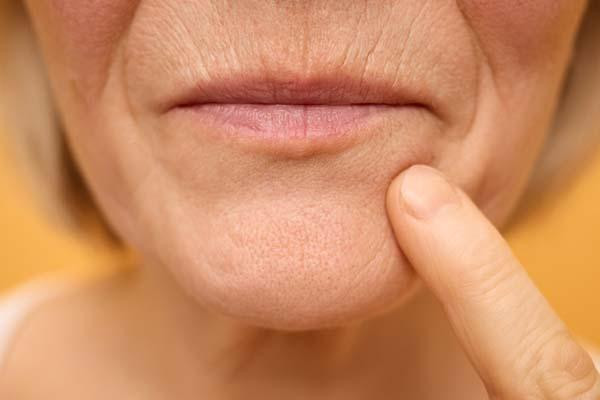
Q. I'm in my 50s, and I've noticed lately that my once-full lips seem thinner. Why is this happening?
A. Plump lips have become fashionable in recent years - hence the multimillion-dollar market for cosmetic injections, even among younger women. But people's lips don't tend to lose natural fullness until we get older.
As we age, our bodies produce less collagen and elastin, proteins that provide plumpness to the skin. Fat pads and muscles in the lip area also diminish over time, leading to a loss of volume. Additionally, we make less hyaluronic acid - a substance that's often injected into the lips during aesthetic procedures - which helps hydrate the skin. With less, lips can look drier and flatter. Other contributors include genes, smoking, and excessive sun exposure. Even the natural shifting of teeth can affect support for the lips, making them appear to "sink" inward.
Certain skin care products can offset these forces, including those containing retinol - which can help stimulate collagen production - and hyaluronic acid. You can also use "plumping" lip glosses that temporarily make lips appear a bit fuller. Injected fillers can offer more significant results, but lips may appear uneven or overfilled, and the procedure can sometimes cause small bumps to form under the skin.
Image: © SementsovaLesia/Getty Images
About the Author

Maureen Salamon, Executive Editor, Harvard Women's Health Watch
About the Reviewer

Robert H. Shmerling, MD, Senior Faculty Editor, Harvard Health Publishing; Editorial Advisory Board Member, Harvard Health Publishing
Disclaimer:
As a service to our readers, Harvard Health Publishing provides access to our library of archived content. Please note the date of last review or update on all articles.
No content on this site, regardless of date, should ever be used as a substitute for direct medical advice from your doctor or other qualified clinician.