









Is there a way to keep cold sores from coming back?
Ask the doctor
- Reviewed by Robert H. Shmerling, MD, Senior Faculty Editor, Harvard Health Publishing; Editorial Advisory Board Member, Harvard Health Publishing
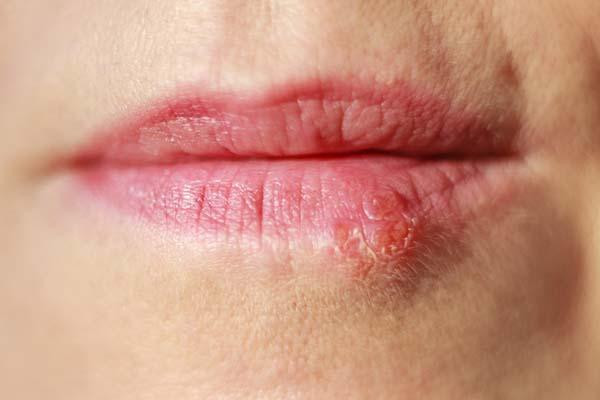
Q. I get cold sores several times a year. How can I stop them from returning?
A. Unfortunately, you're in good company. About half of Americans have been infected with herpes simplex virus type 1 (HSV-1), which causes cold sores. Avoiding the virus is difficult, since it's easily transmitted through close contact with another infected person. You can get it from kissing, for example, or by sharing cups, utensils, or lip balms.
Once you're infected, HSV-1 stays with you and can cause periodic cold sores over the rest of your life. While some people only get one every year or so, others like you deal with more frequent episodes of tingling, pain, and blistering on their lips that can last for about a week. If you get cold sores frequently or have severe symptoms, ask your doctor about oral antiviral treatment. It can be taken to treat outbreaks or over the long term to lower the number, severity, and length of outbreaks. Over-the-counter treatments applied directly to cold sores can reduce symptoms, but they don't stop the virus from replicating.
You can't eradicate HSV-1 from your body. But you can limit cold sore outbreaks by reducing stress, getting quality sleep, and protecting your lips from ultraviolet light exposure. If you do have a cold sore, avoid acidic drinks (such as citrus juices) that can make cold sores sting.
Image: © ancoay/Getty Images
About the Author

Maureen Salamon, Executive Editor, Harvard Women's Health Watch
About the Reviewer

Robert H. Shmerling, MD, Senior Faculty Editor, Harvard Health Publishing; Editorial Advisory Board Member, Harvard Health Publishing
Disclaimer:
As a service to our readers, Harvard Health Publishing provides access to our library of archived content. Please note the date of last review or update on all articles.
No content on this site, regardless of date, should ever be used as a substitute for direct medical advice from your doctor or other qualified clinician.