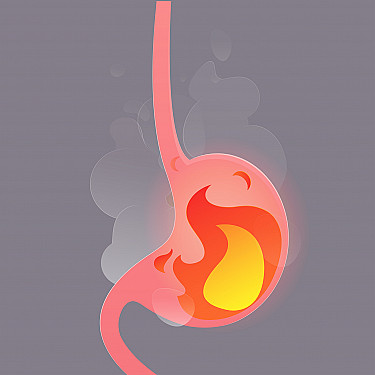









What is a bezoar and how can it affect your health?
Ask the doctor

Q. What is a bezoar?
A. A bezoar is an accumulation of foreign matter in the stomach or the intestine. In cats, a bezoar is commonly called a hairball.
Bezoars are rare in humans. When they do happen, they are usually made up of poorly digestible or indigestible plant-based foods. Bezoars are more likely to develop in people that have had prior abdominal surgery or have impaired stomach emptying.
Humans can have hairballs (called trichobezoars). This extremely rare disorder is associated with excessive and compulsive hair pulling and eating (called trichotillomania).
Bezoars are most commonly diagnosed by abdominal CT scan.
Small bezoars may not cause any symptoms. Larger ones can cause abdominal pain, indigestion, nausea, and vomiting. A bezoar in the intestine can cause complete blockage and require immediate surgery.
Small bezoars in the stomach can sometimes be removed in the office with a gastroscope. A gastroscope is a flexible tube with a camera. It is inserted through the mouth and pushed into the stomach. Large bezoars need to be taken out of the stomach or intestine surgically. Without removal of large bezoars, symptoms will persist.
Image: © Keeproll/Getty Images
About the Author

Howard E. LeWine, MD, Chief Medical Editor, Harvard Health Publishing; Editorial Advisory Board Member, Harvard Health Publishing
Disclaimer:
As a service to our readers, Harvard Health Publishing provides access to our library of archived content. Please note the date of last review or update on all articles.
No content on this site, regardless of date, should ever be used as a substitute for direct medical advice from your doctor or other qualified clinician.