










Can a healthy, high-fiber diet cause excessive gas?
Ask the doctor
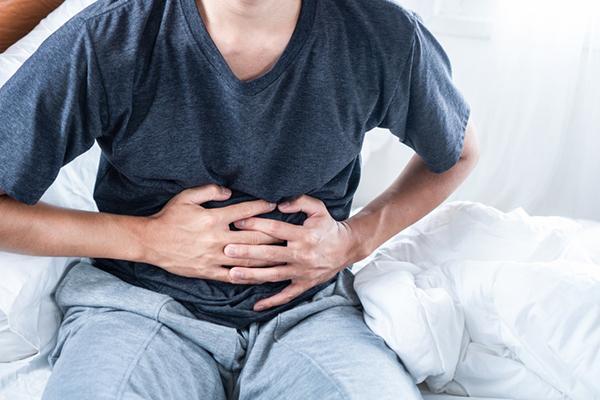
Q. I try to eat a healthy diet - lots of whole grains, vegetables, and fruits. But it is causing me to have a lot of flatulence. Any suggestions?
A. Flatulence (intestinal gas) is normal. It's a byproduct of eating many of the foods we consider healthy sources of vitamins, minerals, and fiber. But I completely understand your desire to keep it controlled.
Most intestinal gas is made up of odorless vapors. The unpleasant smell comes from traces of sulfur-containing gases produced by bacteria that live in the large intestine (colon). These microorganisms break down foods, especially carbohydrates, that aren't fully digested by enzymes in the small intestine.
One major gas producer is raffinose. This is a sugar found in vegetables such as cabbage, asparagus, and broccoli. It's also in some whole grains.
Some starches may also cause trouble, including potatoes, corn, and wheat. It also includes soluble fiber found in oat bran, peas, beans, and fruit.
It's interesting, but rice doesn't contribute to gas.
Some people can't digest lactose, the natural sugar found in milk products, so they might develop gas when they eat lactose-containing foods.
Some people can't tolerate fructose, which is in fruits, vegetables, and many commercial drinks. Other possible culprits are the sugar substitutes that are used so much today in sugar-free foods and drinks.
You won't be able to stop the gas, but you can reduce it. Keep a diary of the foods you eat. Then eliminate them one at a time to figure out which ones may be causing your symptoms. This way, you may not need to stop eating all of your high-fiber, healthy foods.
Several over-the-counter drugs help with flatulence. Products containing simethicone (Maalox, Mylanta Gas, Gas-X, to name a few) break up gas bubbles in the colon. Beano contains alpha-galactosidase, an enzyme that helps metabolize certain complex carbohydrates. Bismuth subsalicylate (Pepto-Bismol and generic equivalents) may reduce the unpleasant odor of gas.
Image: © Panadda Phiakhamen/Getty Images
About the Author

Howard E. LeWine, MD, Chief Medical Editor, Harvard Health Publishing; Editorial Advisory Board Member, Harvard Health Publishing
Disclaimer:
As a service to our readers, Harvard Health Publishing provides access to our library of archived content. Please note the date of last review or update on all articles.
No content on this site, regardless of date, should ever be used as a substitute for direct medical advice from your doctor or other qualified clinician.


