Do I need to avoid foods high in vitamin K if I'm on warfarin?
Ask the doctor
Q. I need to take Coumadin for my heart valve problem. Do I need to avoid foods that have large amounts of vitamin K?
A. Warfarin (Coumadin) is an anticoagulant drug prescribed for people who need to have the body's blood clotting ability reduced. New blood thinners have replaced warfarin as the preferred treatment for blood clots in the legs or lungs, and to prevent strokes in people with atrial fibrillation. However, people like yourself with an abnormal heart valve can only take warfarin.
Warfarin "thins" the blood by interfering with the production of vitamin K-dependent clotting factors. The right dose of warfarin varies from person to person and is sensitive to how much vitamin K the person takes in. An important way to keep blood clotting activity constant is to ingest the same amount of vitamin K daily.
Vitamin K comes from two sources -- from foods, especially vegetables, and from the normal bacteria that live in our intestines. Unless you take antibiotics that kill bacteria, the amount of vitamin K from bacteria remains quite constant. It is food sources that make a big difference.
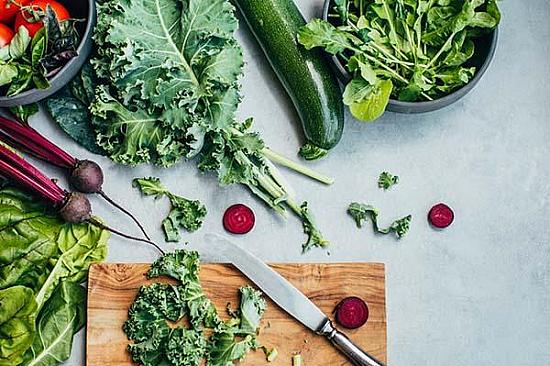
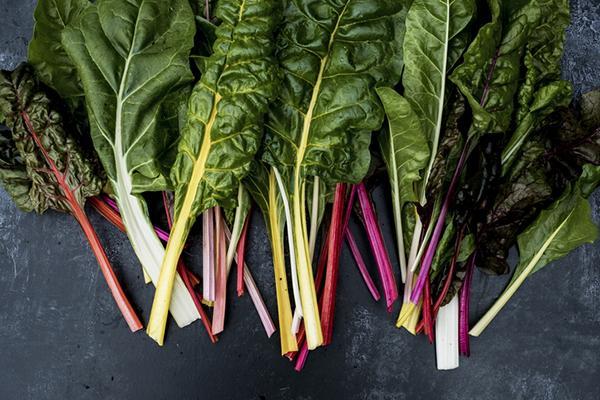
Many different foods contain vitamin K. Green leafy vegetables have some of the highest amounts of vitamin K. The ones really high in vitamin K are
- kale
- spinach
- Swiss chard
- broccoli
- collard, turnip, and mustard greens.
You can keep eating your vegetables. Just try to eat the same amount each day.
Image: © Mint Images/Getty Images
About the Author
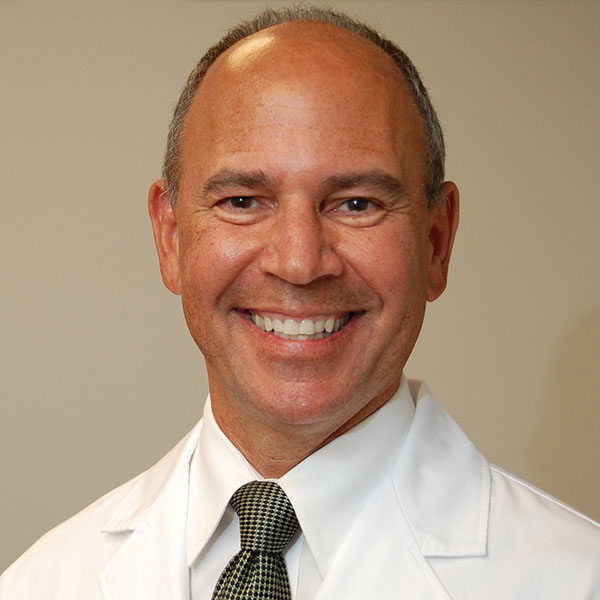
Howard E. LeWine, MD, Chief Medical Editor, Harvard Health Publishing; Editorial Advisory Board Member, Harvard Health Publishing
Disclaimer:
As a service to our readers, Harvard Health Publishing provides access to our library of archived content. Please note the date of last review or update on all articles.
No content on this site, regardless of date, should ever be used as a substitute for direct medical advice from your doctor or other qualified clinician.