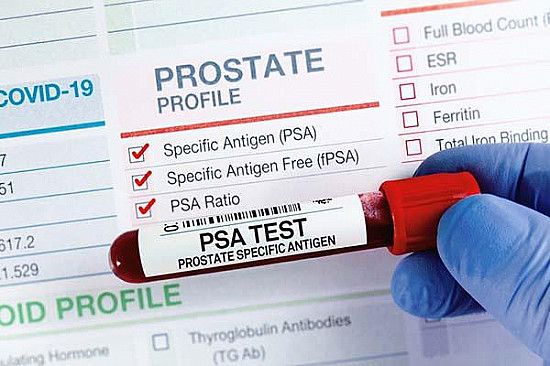
On call: Diet, testicular cancer, and prostate cancer
Q. I know a bad diet can increase prostate cancer risk, but what about testicular cancer?
A. Diet does appear to have an important influence on a man's risk of prostate cancer, but it's not as simple as good vs. bad. Saturated fats, particularly those from red meat and whole dairy products, are linked to an increased risk, and they are bad news for general health as well. But a few items typically considered healthful have been associated with an elevated risk of prostate cancer; they include a very high consumption of both calcium (which may lower osteoporosis risk) and alpha-linolenic acid (ALA), the omega-3 fatty acid in flaxseed and canola oil (which may reduce heart disease risk). It's wise for men to keep their saturated fat consumption down to less than 10% of their total calories, to limit calcium to less than 1,500 mg a day, and to count on fish or fish oil rather than ALA for heart-healthy omega-3s. And men should get lots of whole grains, tomatoes (especially cooked tomatoes) and other fruits and vegetables, fish, and soy products, all of which have been associated with a reduced risk of prostate cancer and many other woes.
Prostate cancer is about 25 times more common than testicular cancer, and we know much more about its risk factors. But testicular cancer is on the rise, and scientists are starting to ask if diet may have a role in the disease, which tends to strike white males between the ages of 20 and 35. One study evaluated the impact of diet on testicular cancer. Only dairy products were linked to an increased risk; cheese was a particular culprit.
More study is needed, but for now, it appears that like older men at risk for prostate cancer, young men at risk for testicular cancer who don't say "cheese" when planning their menus may have the last smile.
Disclaimer:
As a service to our readers, Harvard Health Publishing provides access to our library of archived content. Please note the date of last review or update on all articles.
No content on this site, regardless of date, should ever be used as a substitute for direct medical advice from your doctor or other qualified clinician.