



Fine-needle aspiration (FNA) of the breast
- Reviewed by Howard E. LeWine, MD, Chief Medical Editor, Harvard Health Publishing; Editorial Advisory Board Member, Harvard Health Publishing
What is the test?
A doctor can do fine-needle aspiration in the office by inserting a slender needle into the area of concern and drawing out (aspirating) either fluid from a cyst or a small amount of tissue from a solid mass. Cells from a cyst or mass may be sent for microscopic evaluation, usually to determine whether cancer is present. Fine-needle aspiration is often used to drain a breast cyst that feels tender or sore. If the cyst is a simple cyst (one that looks clear in an ultrasound exam) and isn't tender, it doesn't require aspiration.
How do I prepare for the test?
Usually, no preparation is necessary.
What happens when the test is performed?
You wear a hospital gown or undress from the waist up. After examining your breast to feel the lump and cleaning your skin with alcohol and other disinfectants, the doctor may inject a local anesthetic, but even without this numbing medicine you should feel little pain. Next, he or she gently pinches your breast to hold the lump steady while taking the biopsy. The needle is attached to a syringe, a suction device that "aspirates" or pulls tissue into the needle.
In some cases ultrasound will be used to guide the needle.
What risks are there from the test?
You might have a small amount of bruising in the area of the breast that was sampled and some mild soreness afterward.
Must I do anything special after the test is over?
No.
How long is it before the result of the test is known?
Your doctor should have a final report in a few days. If the cells removed during aspiration are not cancerous, but the lump feels questionable or appears suspicious on a mammogram or ultrasound, the doctor may recommend further testing with a large-core needle biopsy or surgical biopsy.
About the Reviewer
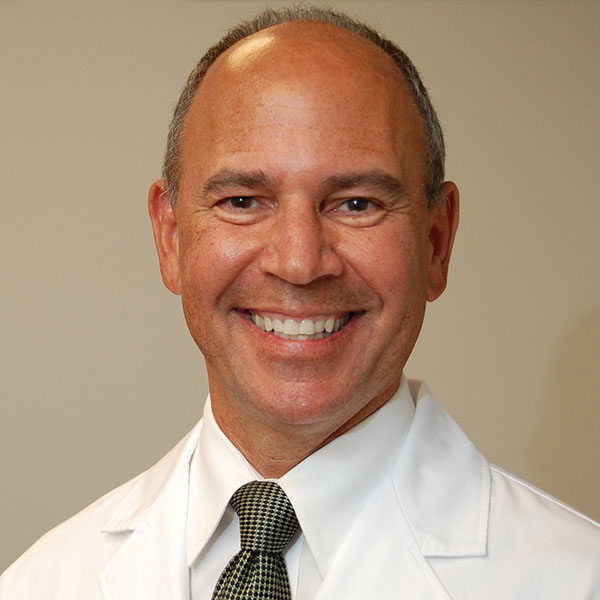
Howard E. LeWine, MD, Chief Medical Editor, Harvard Health Publishing; Editorial Advisory Board Member, Harvard Health Publishing
Disclaimer:
As a service to our readers, Harvard Health Publishing provides access to our library of archived content. Please note the date of last review or update on all articles.
No content on this site, regardless of date, should ever be used as a substitute for direct medical advice from your doctor or other qualified clinician.