

CoQ10: Should you take this popular supplement if you're on a statin?

Microplastics: A hidden health threat?

Oat vs. dairy milk: Nutrition, benefits, and downsides

What is tempeh? Benefits, nutrition, and how to use it

Healing after food poisoning

Children of centenarians may stay healthier and live longer too, study finds

Light exposure at night may raise risk for heart disease

Whole grains may improve several heart risk factors at once

A lumbar belt may help ease low back pain

Signs of pneumonia: Sometimes vague and unexpected
Weight loss Archive
Articles

Is there a link between fatty liver and high blood sugar?
A fatty liver diagnosis and a high blood sugar reading may point to more than one concern. See what these findings could mean for your health.
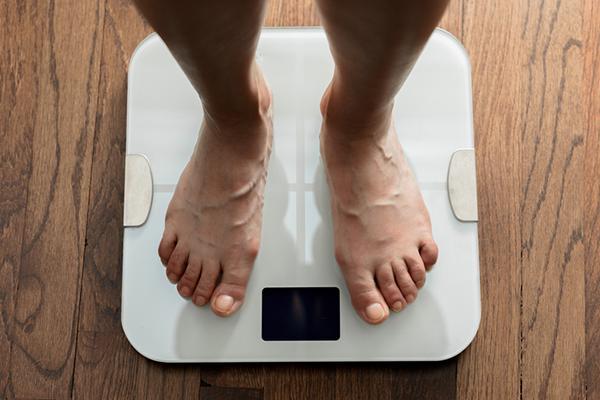
What does a healthy, realistic rate of weight loss look like, and why does it matter?
People on a weight-loss regimen should aim to lose 1 to 2 pounds per week, which translates into eating 500 to 750 fewer calories each day than they expend. Losing weight faster often causes excess muscle loss and lowers metabolism, making it harder to burn fat.

What can I do to lose belly fat?
Belly fat that won't budge can be more than a cosmetic concern. Learn how to spot risky fat around your waist and key habits to shrink it.

Why hasn't my increased activity led to weight loss?
Despite being on your feet all day, the scale hasn't budged. Learn what might be canceling out your extra activity.

What is a healthy body fat percentage?
A body fat percentage reading can mean very different things depending on your sex, activity level, and waist size. See how to judge your own number.

Is weight gain a side effect of Chantix?
Quitting smoking often results in gaining a few extra pounds, with or without medication. See how Chantix, nicotine, and mood changes all contribute.

Is an active job enough exercise to help you lose weight?
Discover how much job-related activity contributes to calorie burn, and how small changes in routine can jump-start weight loss.

Do I have a slow metabolism?
Some people lose weight quickly on fewer calories while others barely budge. Learn how differences in energy use might be working against you.
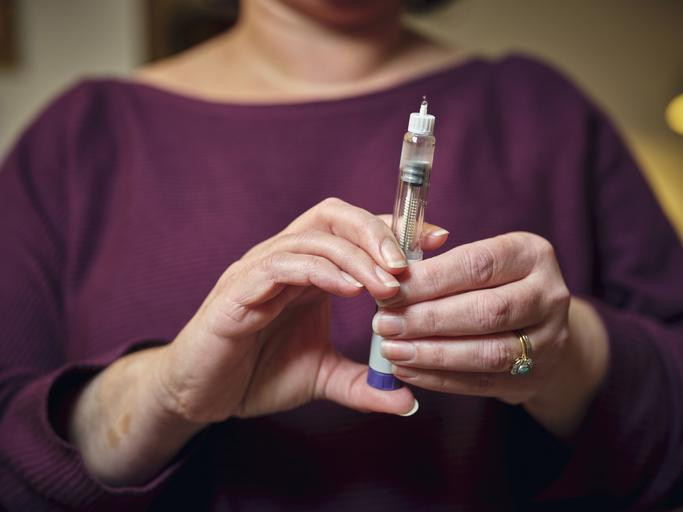
Do GLP-1 drugs reduce inflammation?
In a 2025 study of nearly a million people with diabetes, those who took GLP-1 drugs had a reduction of 10% to 20% in heart failure, cardiac arrest, lung failure and pneumonia, and dementia, compared with people who took other diabetes medications.

Why exercise if I'm not losing weight?
Some people may feel like it's pointless to exercise if they're not losing weight as a result. But there are many reasons to exercise beyond weight loss. Regular exercise has a long list of health benefits, including an energy boost, better sleep, and reduced risks for addictive behaviors as well as many chronic diseases such as heart disease, strokes, many cancers, dementia (including Alzheimer's disease), diabetes, depression, anxiety, pneumonia, osteoporosis, and kidney problems.
CoQ10: Should you take this popular supplement if you're on a statin?
Microplastics: A hidden health threat?
Oat vs. dairy milk: Nutrition, benefits, and downsides
What is tempeh? Benefits, nutrition, and how to use it
Healing after food poisoning
Children of centenarians may stay healthier and live longer too, study finds
Light exposure at night may raise risk for heart disease
Whole grains may improve several heart risk factors at once
A lumbar belt may help ease low back pain
Signs of pneumonia: Sometimes vague and unexpected
Free Healthbeat Signup
Get the latest in health news delivered to your inbox!
Sign Up
