

What causes knee pain: How doctors make a diagnosis
Study: At-home colorectal cancer screening may significantly cut colon cancer deaths

Where you carry excess weight matters in predicting heart disease risk

Tai chi walking: What is it and does it work?

Fatty liver disease: Should you be tested?

Weight-loss drug may lower risk of heart attacks and infections

Testosterone therapy without evidence of deficiency may boost heart risk

Even a little exercise linked with lower stroke risk in people with afib

FDA approves first mRNA-based flu vaccine

Migraine: How it's diagnosed and what that means
Weight loss procedures and surgery Archive
Articles
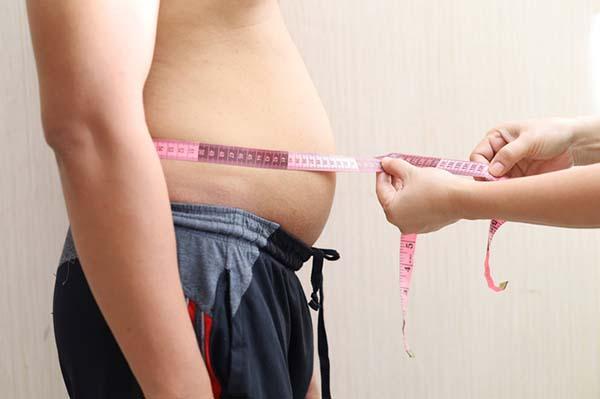
Where you carry excess weight matters in predicting heart disease risk
A 2026 study found that larger waist measurements increased heart disease-related risks, even among people with normal weight. Obesity with a small waist conferred no greater risks compared to people with normal weight and a small waist.
Weight cycling linked to increased muscle loss
Weight loss may involve repeated episodes of losing weight and gaining it back (weight cycling). A 2026 study found a greater loss of thigh muscle over four years among weight cyclers than among those who maintained a steady weight.

Does intermittent fasting work?
Intermittent fasting, a dietary pattern that alternates between periods of eating and fasting, has become a popular weight-loss approach. A 2026 scientific analysis suggests it may not work as well for weight loss as some people have thought.

Calorie deficit explained: Is it a safe, sustainable approach to weight loss?
Creating a calorie deficit—burning more than one consumes—is the foundation of sustainable weight loss. “Slow and steady” is best: experts recommend a 500-calorie daily deficit for gradual progress, combined with regular physical activity, especially strength training.
What does a healthy, realistic rate of weight loss look like, and why does it matter?
People on a weight-loss regimen should aim to lose 1 to 2 pounds per week, which translates into eating 500 to 750 fewer calories each day than they expend. Losing weight faster often causes excess muscle loss and lowers metabolism, making it harder to burn fat.

What is a healthy body fat percentage?
A body fat percentage reading can mean very different things depending on your sex, activity level, and waist size. See how to judge your own number.

What can I do to lose belly fat?
Belly fat that won't budge can be more than a cosmetic concern. Learn how to spot risky fat around your waist and key habits to shrink it.

Why hasn't my increased activity led to weight loss?
Despite being on your feet all day, the scale hasn't budged. Learn what might be canceling out your extra activity.

Is weight gain a side effect of Chantix?
Quitting smoking often results in gaining a few extra pounds, with or without medication. See how Chantix, nicotine, and mood changes all contribute.

Is an active job enough exercise to help you lose weight?
Discover how much job-related activity contributes to calorie burn, and how small changes in routine can jump-start weight loss.
What causes knee pain: How doctors make a diagnosis
Study: At-home colorectal cancer screening may significantly cut colon cancer deaths
Where you carry excess weight matters in predicting heart disease risk
Tai chi walking: What is it and does it work?
Fatty liver disease: Should you be tested?
Weight-loss drug may lower risk of heart attacks and infections
Testosterone therapy without evidence of deficiency may boost heart risk
Even a little exercise linked with lower stroke risk in people with afib
FDA approves first mRNA-based flu vaccine
Migraine: How it's diagnosed and what that means
Free Healthbeat Signup
Get the latest in health news delivered to your inbox!
Sign Up
